
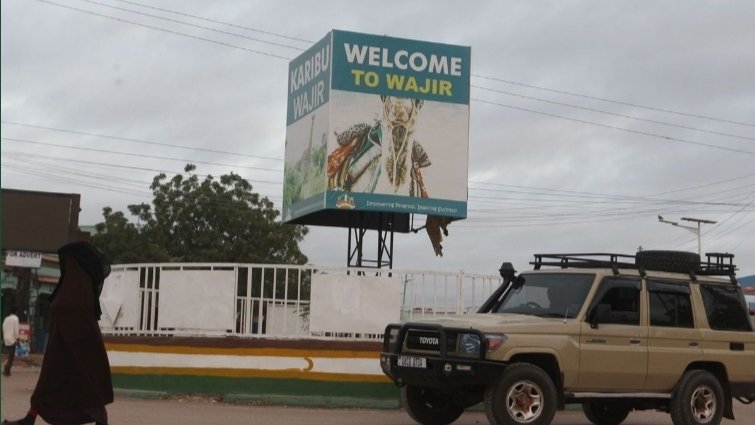

Wajir usually sits quiet under the vast northern sky. That is changing fast. The county prepares to host Kenya's Madaraka Day celebrations on June 1, an occasion President William Ruto will lead. Security teams have arrived early. They rehearse parades in the intense heat from their camps within town.
The real pressure point lies elsewhere. The handful of hotels and guesthouses, built for steady but modest traffic of traders and civil servants, filled up days ago. Lodges now turn away new bookings. Some government officers have already instructed properties to reserve rooms for official visitors during the final week of May.
Caroline Kinoti, caretaker at New Lodge, confirmed the pressure. Government requests for holds started coming in directly. All eight hotels in town report full occupancy. Even basic rooms that once rented for a few hundred shillings now sit reserved for higher-profile arrivals.
Room rates have jumped sharply. Properties that charged Sh1,500 now quote Sh3,000. Hotel owner Ismael Hassan described the situation plainly. His establishment remains booked solid through June 5. Staff have begun contacting locals who own decent houses, asking to lease space for overflow demand.
"We have about eight four-star hotels in this town, which are unable to host all the expected visitors," Hassan said. He urged residents and county leaders toward more meaningful investment so future major events can run smoother.
The planning committee, working with Wajir County Government, has responded by mapping and leasing private homes. For a town used to open horizons and scattered homesteads, the shortage centers on roofs, beds, and supporting services like reliable water.
North Eastern Regional Commissioner John Otieno acknowledged the gap openly. "This is a function that will bring onboard quite a multitude and Wajir faces a shortage of accommodation facilities. However, we have mapped the available facilities and noted that they are not adequate."
His team has spoken with homeowners willing to offer properties. Security committees vet each one before final approval. Homes must meet basic standards for dignitaries: good fencing or perimeter walls, functioning air conditioning, spacious rooms, proximity to the town centre, water, electricity, and clear road access.
Some owners report leasing fees ranging from Sh50,000 to Sh100,000 depending on size and number of rooms. One resident who handed over his house said he would stay with relatives until after June 5. Water tanks need filling beforehand. Minor repairs and missing fittings get addressed where required.
Most local homes rely on water bowsers to top up underground tanks. This extra step adds another layer of coordination in the dry region. Once keys change hands, security takes over management of the property for the event period.
Wajir Governor Ahmed Abdullahi struck a welcoming note. "Don’t be worried about where you will sleep in Wajir. Everyone shall find a place to sleep and wake up to attend the event." He called on residents to show top hospitality, noting this marks the first time the North Eastern region hosts the national fete.
The governor also pointed to development gains tied to the occasion. A new stadium built at national government cost of about Sh1 billion stands as one visible example. County priorities had leaned toward health facilities and water projects, including over 400 boreholes and 184 health centres, rather than large venues.
Hosting the event has drawn extra focus and resources. Poor road conditions on the Wajir-Garissa stretch earlier slowed material deliveries when rains hit. The Kenya Defence Forces have since stepped in to grade problem sections and keep supply lines moving.
Travelers coming by road from Nairobi still face roughly 12 hours of rough driving after the tarmac ends outside Garissa. The single main artery remains a pale scar across the scrubland, rutted by heavy lorries.
Despite the logistical strains, both the governor and regional commissioner emphasised security readiness. Measures are in place to keep everyone safe. The event offers Wajir a chance to showcase its culture and counter long-held external perceptions.
As final arrangements tighten, the scramble for beds reveals the limits of existing hospitality infrastructure. Private homes now fill the gap, bought with time through vetting and basic upgrades. Whether this stop-gap approach holds through the influx will become clear in the coming days.
Comments (0)
Leave a Comment
No comments yet. Be the first to share your thoughts!