
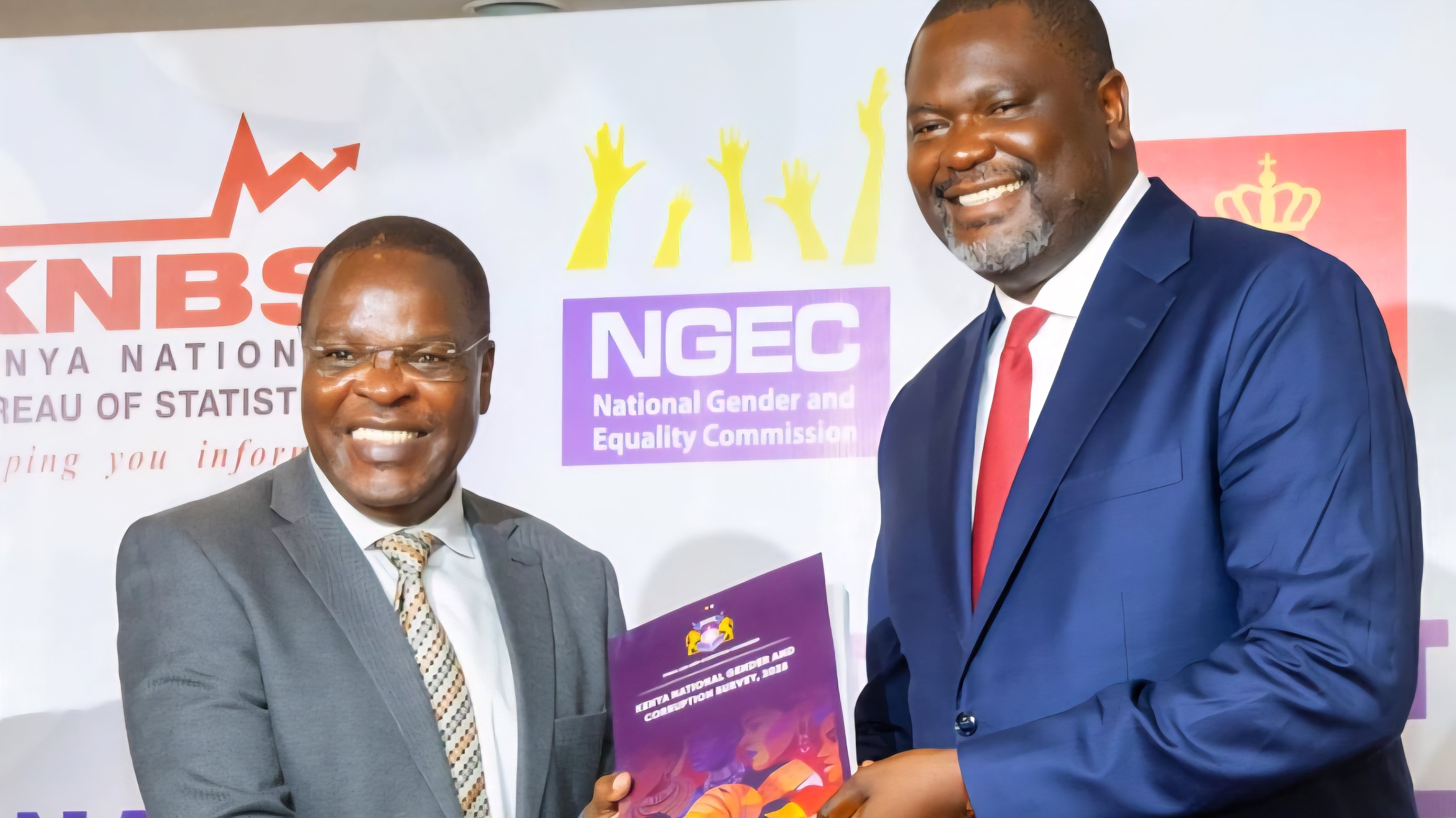

The Ethics and Anti-Corruption Commission (EACC) has released a disturbing report, which reveals that nearly all Kenyans who encounter bribery choose to stay silent. According to the 2025 data, over 98 percent of citizens who paid bribes did not report their experience to any official institution.
This silence highlights a breakdown in the relationship between the public and the agencies, which are tasked with enforcing integrity within the country. The report, which was released in collaboration with the Kenya National Bureau of Statistics (KNBS), paints a grim picture of the current governance landscape.
It indicates that only 14.6 percent of the population believes that the government is committed to fighting corruption, while 73 percent believe it is not. This widespread skepticism suggests that official rhetoric regarding transparency is failing to resonate with the ordinary citizen on the ground.
The findings also shed light on the gendered nature of corruption in Kenya, which often goes overlooked in broader economic discussions. The report shows that while women stand a higher chance of giving bribes or being asked for sexual favors, they are less likely to report these incidents.
Sexual extortion, often referred to as "sextortion," remains a hidden but pervasive form of corruption that disproportionately affects women seeking government services. The National Gender and Equality Commission (NGEC) has raised concerns over these findings, as they indicate that vulnerable groups are being exploited.
When victims feel that reporting an incident will lead to no action, or worse, retaliation, they opt to bear the burden in private. For the construction and infrastructure sectors, these statistics are particularly concerning given the high volume of permits and approvals required from state agencies.
The lack of reporting creates a data gap that makes it difficult for President Ruto and his administration to accurately target corruption hotspots. Without formal complaints, investigative agencies often lack the necessary evidence to launch successful prosecutions against rogue public officials.
The EACC has noted that the culture of silence emboldens perpetrators, who continue to demand kickbacks without fear of legal consequences. The survey further suggests that the cost of living and economic pressures may be forcing more Kenyans into situations where bribery feels inevitable.
When basic services are tied to illicit payments, the poorest members of society are the ones who suffer the most. The government now faces the uphill task of rebuilding public trust if it hopes to see an increase in the reporting of these crimes.
Addressing the crisis will require more than just new policies or legislative frameworks, according to observers of the report. It will require a visible shift in how the state handles whistleblowers and a clear demonstration that no official is above the law.
Until the 98 percent figure begins to drop, the fight against corruption in Kenya will likely remain a stalled effort.
Comments (0)
Leave a Comment
No comments yet. Be the first to share your thoughts!