

A version of this article originally appeared in nation.africa.
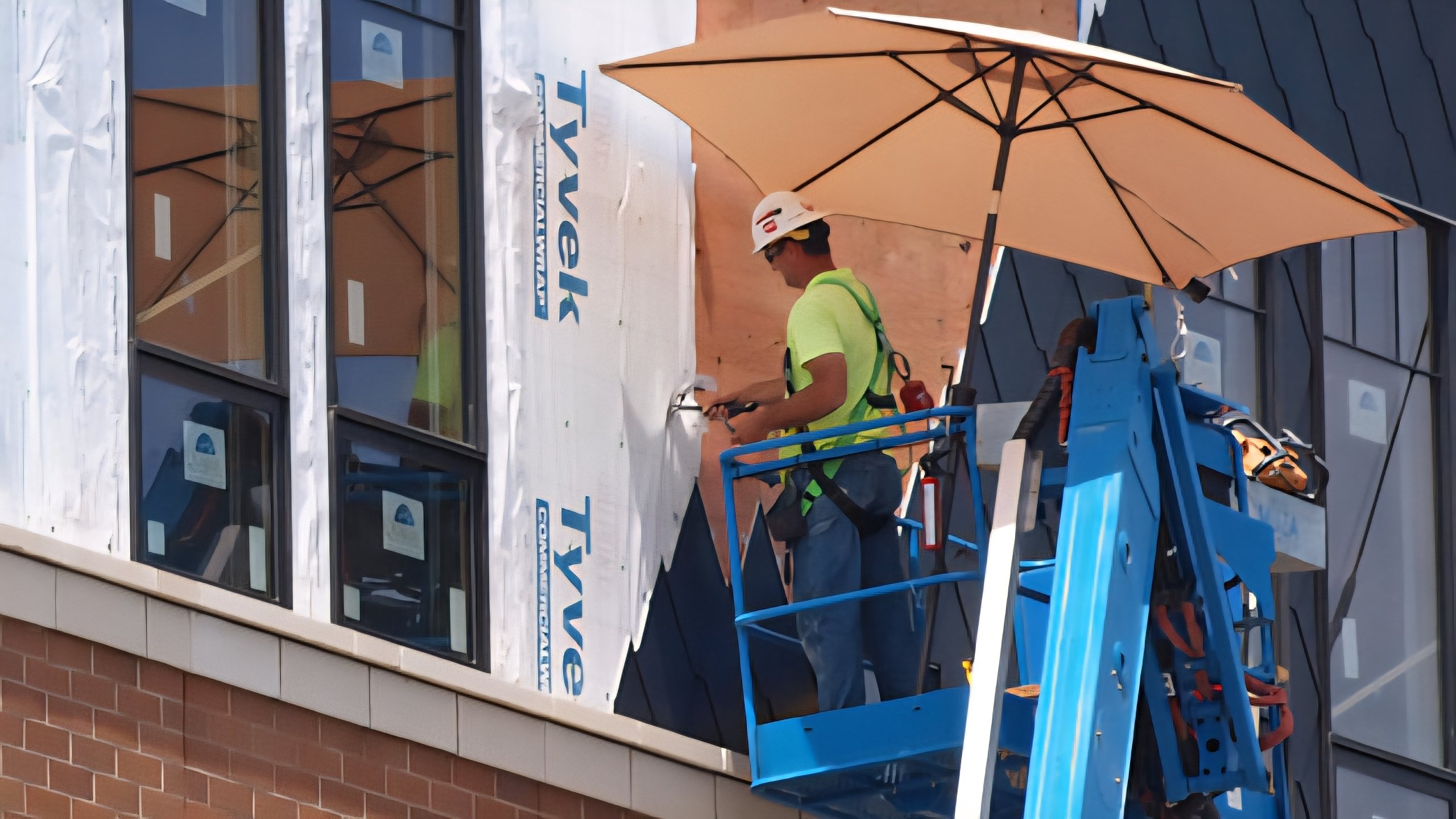
The construction industry in Kenya is facing a significant slowdown as extreme temperatures throughout January force a shift in traditional site operations. Laborers, particularly those involved in heavy manual tasks like concrete mixing, masonry, and steel fixing, are being pushed to their physical limits by a heatwave that has seen temperatures climb well above seasonal averages. In urban centers like Nairobi and the coastal regions, the intensity of the sun during peak hours has made continuous outdoor work nearly impossible for many crews.

Site managers report that productivity typically drops after 11:00 AM when the heat becomes most intense. To manage the risks associated with heat stroke and severe dehydration, some contractors have implemented mandatory breaks or shifted start times to as early as 6:00 AM. This allows workers to complete the most physically demanding tasks before the midday sun peaks. However, these adjustments often lead to logistical complications with material deliveries and noise ordinances in residential areas.
The Kenya Meteorological Department recently indicated that the current weather patterns are a result of localized atmospheric conditions combined with broader climate trends. For the construction sector, this translates to increased overhead costs. When a project falls behind schedule due to weather, the financial implications include extended equipment rentals and potential penalties for late delivery. Furthermore, the physical well-being of the workforce has become a central focus for safety officers who must now monitor water intake and shade availability more strictly than in previous years.
Health professionals have noted an uptick in heat-related complaints among outdoor workers. Symptoms such as dizziness, headaches, and muscle cramps are becoming common on sites where shaded rest areas are insufficient. In many cases, workers are forced to seek shelter under unfinished slabs or temporary iron-sheet structures, which can sometimes trap heat and exacerbate the problem. The lack of formalized heat safety regulations in the local building code leaves many laborers dependent on the discretion of individual site foremen.
The impact extends beyond the workers to the materials themselves. High temperatures affect the curing process of concrete, increasing the risk of shrinkage cracks if the moisture evaporates too quickly. Contractors are being forced to use more water for curing or apply specialized chemical compounds to maintain structural integrity. These additional steps, while necessary, add to the complexity of maintaining a steady workflow during the hottest months of the year.
As the industry grapples with these environmental challenges, there is a growing conversation regarding the long-term viability of current labor practices. Some engineering firms are beginning to explore the use of more pre-cast components to reduce the amount of time workers spend exposed to the elements on-site. For now, the immediate priority remains the daily management of heat exposure. Without a significant break in the weather, the pace of infrastructure and residential development in Kenya is expected to remain sluggish through the remainder of the dry season.
Comments (0)
Leave a Comment
No comments yet. Be the first to share your thoughts!