
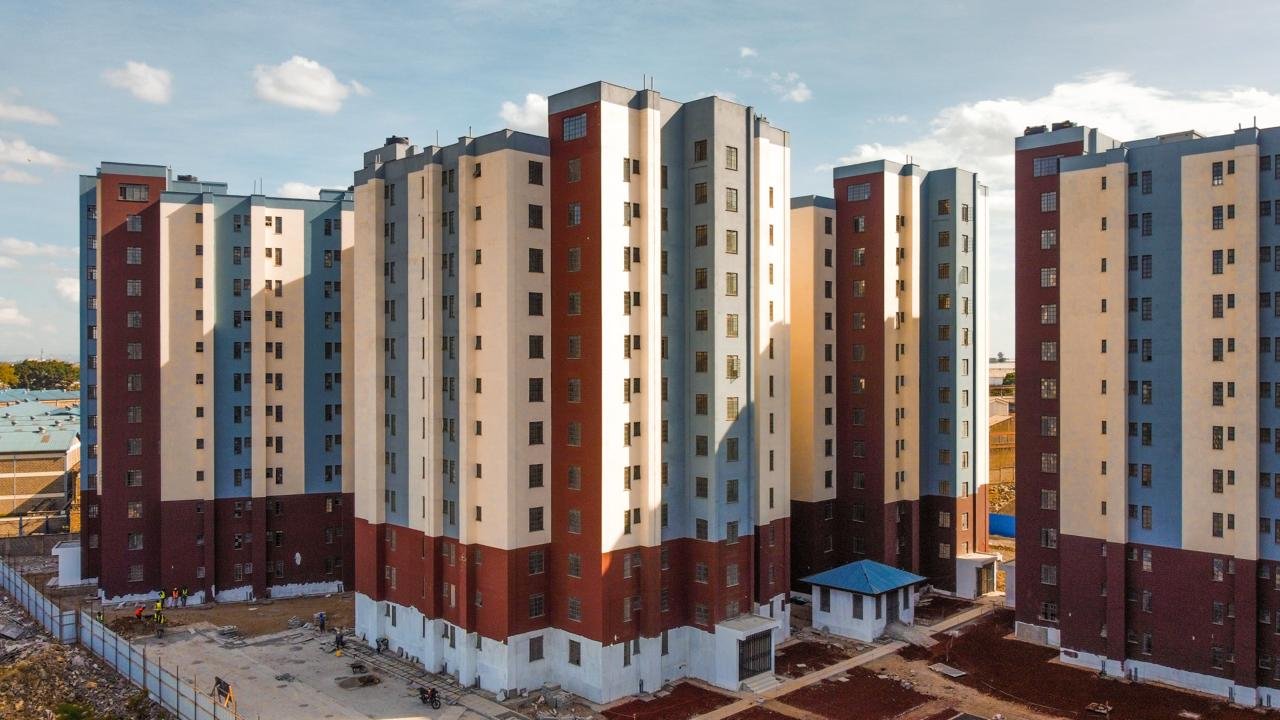

Patrick Mwangi, associated with Rickfes Construction Ltd, shared insights on the realities of moving Kenyan real estate projects in the current climate.
Selling out a development fast no longer relies mainly on heavy promotion. Buyers have become more informed and selective, weighing options carefully before committing.
The market operates largely as a buyer’s market. Available units tend to outnumber immediate purchasers, shifting leverage toward those looking to buy while developers compete for attention.
Success, Mwangi argues, starts with sound structuring long before launch. Four elements stand out as particularly important.
First comes market fit. Projects move quicker when designed around real demand instead of developer assumptions. This covers appropriate unit sizes, accurate targeting of buyer segments, and a development approach that matches what the market actually seeks.
Second is the balance of price to value. Strong offerings deliver clear worth for the money paid. Many successful schemes use off-plan pricing that lets early buyers capture gains as the project completes.
Third involves legitimacy of records. Land must carry a clean title deed, and all required statutory approvals need to be in place. Such documentation cuts buyer risk and speeds transactions.
Fourth centres on track record. Developers must show, not just claim, a history of delivery. This means completed projects executed on time, within budget and to specified quality, typically through engagement of qualified professionals.
Mwangi noted that the environment now favours developments that are well planned, transparent and professionally run. His firm supports developers in aligning projects to market needs and provides project management services aimed at strong long-term performance.
Commenters echoed the emphasis on title and approvals. One observed that legitimacy issues still sink deals despite marketing efforts, as today’s buyers conduct thorough checks. Verified land and documentation have become competitive advantages over flashy but uncertain schemes.
Kenya’s real estate sector has expanded significantly in recent years, driven by urbanisation and housing shortages, particularly in Nairobi and surrounding areas. Yet oversupply in some segments, combined with economic pressures on buyers, has made absorption slower.
Challenges around land documentation and regulatory compliance remain common pain points. Disputes or missing approvals can stall sales and damage reputations even for otherwise solid projects.
Mwangi’s post highlights a maturing market where professional execution and openness matter more than in earlier boom phases. Developers who invest upfront in proper planning and documentation appear better positioned amid heightened buyer scrutiny.
The advice aligns with broader industry conversations on reducing risks and building trust. In a context where many Kenyans and diaspora investors eye property for both shelter and appreciation, credibility has tangible commercial value.
Comments (0)
Leave a Comment
No comments yet. Be the first to share your thoughts!