
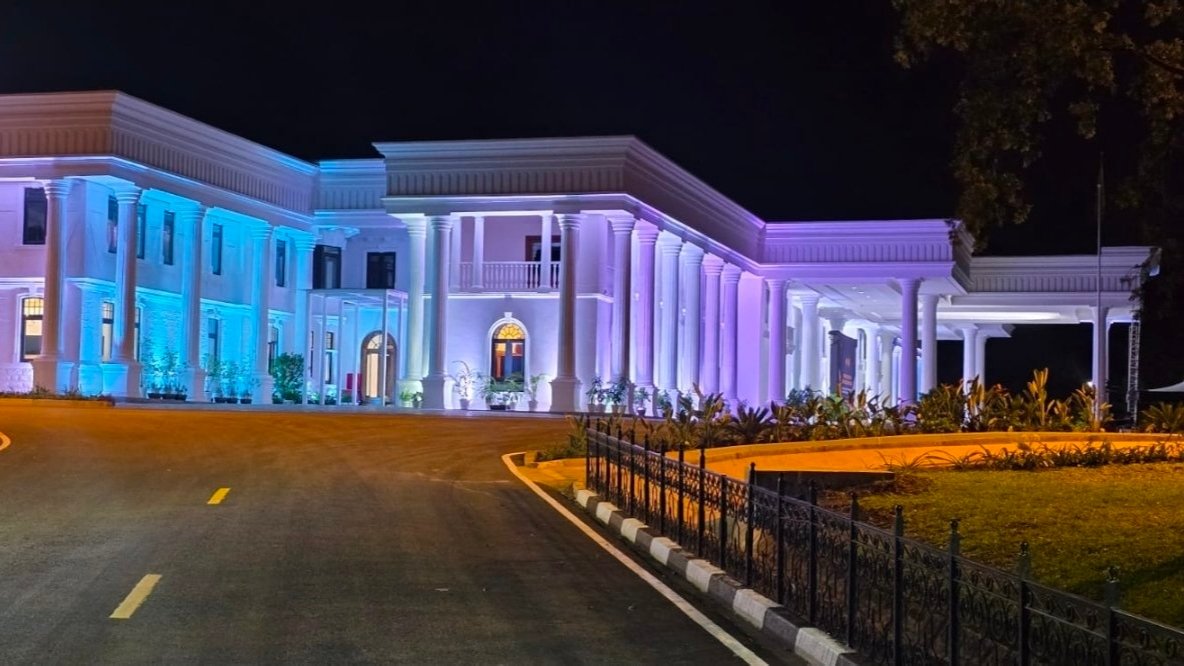

Kenyans remain deeply divided over the dramatic new appearance of State House in Nairobi.
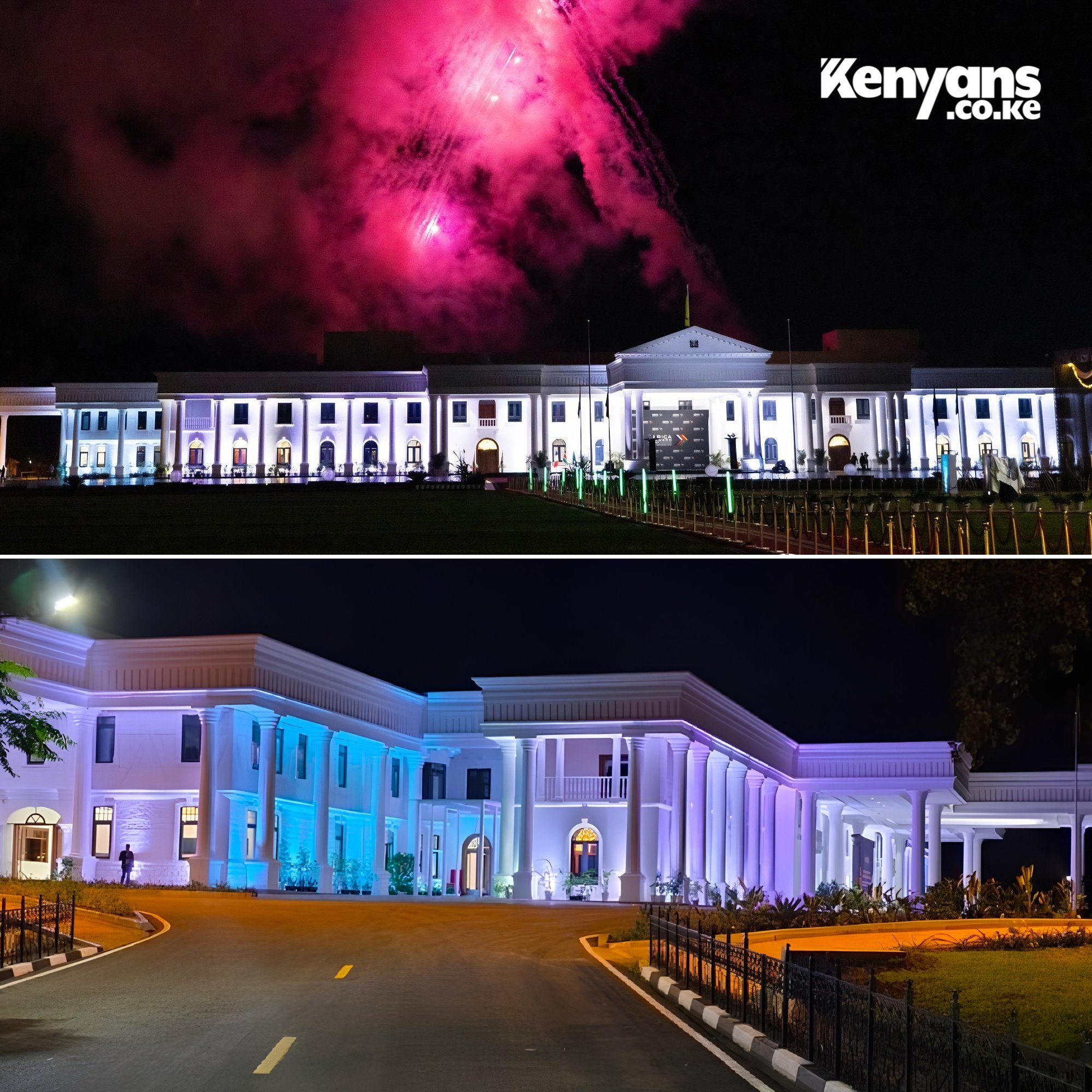
Images of the building glowing in blue and purple lights at night have triggered heated debate on social media. The renovation replaced the historic red-tiled roof with a flat modern design and added extensive facade lighting.
Prof. Alfred Omenya, a professor of architecture and judge for several international design awards, delivered one of the strongest critiques. He called the result “plain MEDIOCRE!” in a widely shared post that included before-and-after photos.
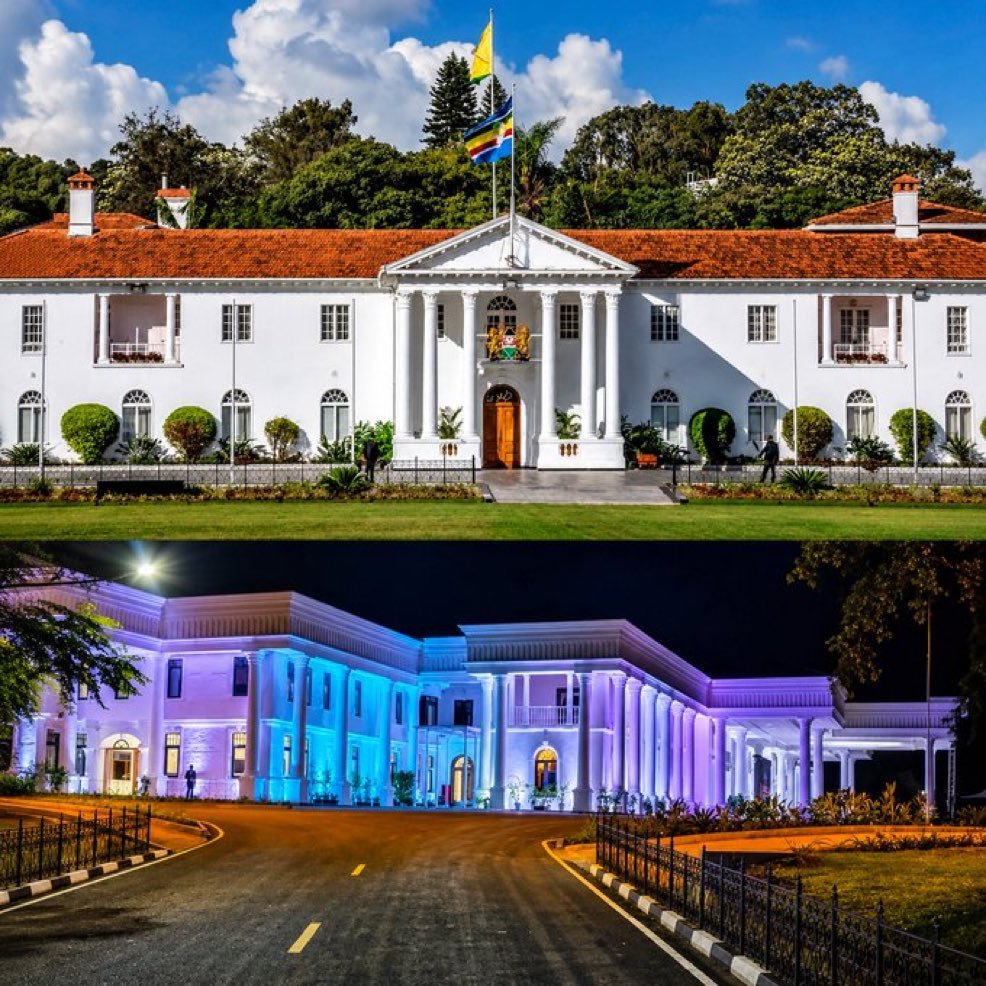
His view is far from isolated. Many online commentators echo concerns about heritage loss. Some describe the changes as turning a 119-year-old colonial-era landmark designed by Sir Herbert Baker into something resembling a county headquarters or luxury home.
Others defend the upgrade. They argue it reflects contemporary Kenya and moves beyond outdated colonial aesthetics. Supporters point to improved functionality for hosting international dignitaries and say the lighting creates a striking nighttime presence.
The Architectural Association of Kenya raised similar worries earlier this year. It acknowledged the need for repairs but warned that alterations to the roof, proportions and symmetry risked damaging the building’s architectural integrity.
Public reactions range from outright rejection to enthusiastic approval. Polls on platforms like X show split results. Jokes have proliferated, with users comparing the illuminated structure to a nightclub, a video game set or even a wedding venue.
Critics tie the controversy to cost. Earlier reports indicated hundreds of millions of shillings spent on the Nairobi State House alone, part of wider upgrades to presidential residences funded partly through intelligence and defence channels. Many question the priorities at a time of economic strain.
Defenders, including some government voices, insist the work was necessary. They highlight its role in recent high-profile events where Kenya hosted multiple heads of state. The brighter, sleeker look, they say, projects national confidence.
State House, originally Government House, dates back to the early 20th century. It served colonial governors before independence and has undergone modifications over decades. Unlike some heritage sites, it is not strictly protected under national museums legislation, allowing greater flexibility for changes.
The current debate revives long-standing questions about balancing preservation with modernisation. For some, the building symbolises continuity with Kenya’s past. For others, it represents a deliberate step into the future. Social media has amplified both sides. Posts praising the “grand, modern style” sit alongside those mourning the “gutted” original character.
Whatever the final consensus, the brightly lit white structure with its clean lines now stands as a polarising emblem of the present administration’s vision for national symbols.
Comments (1)
Leave a Comment
Faith
May 13