
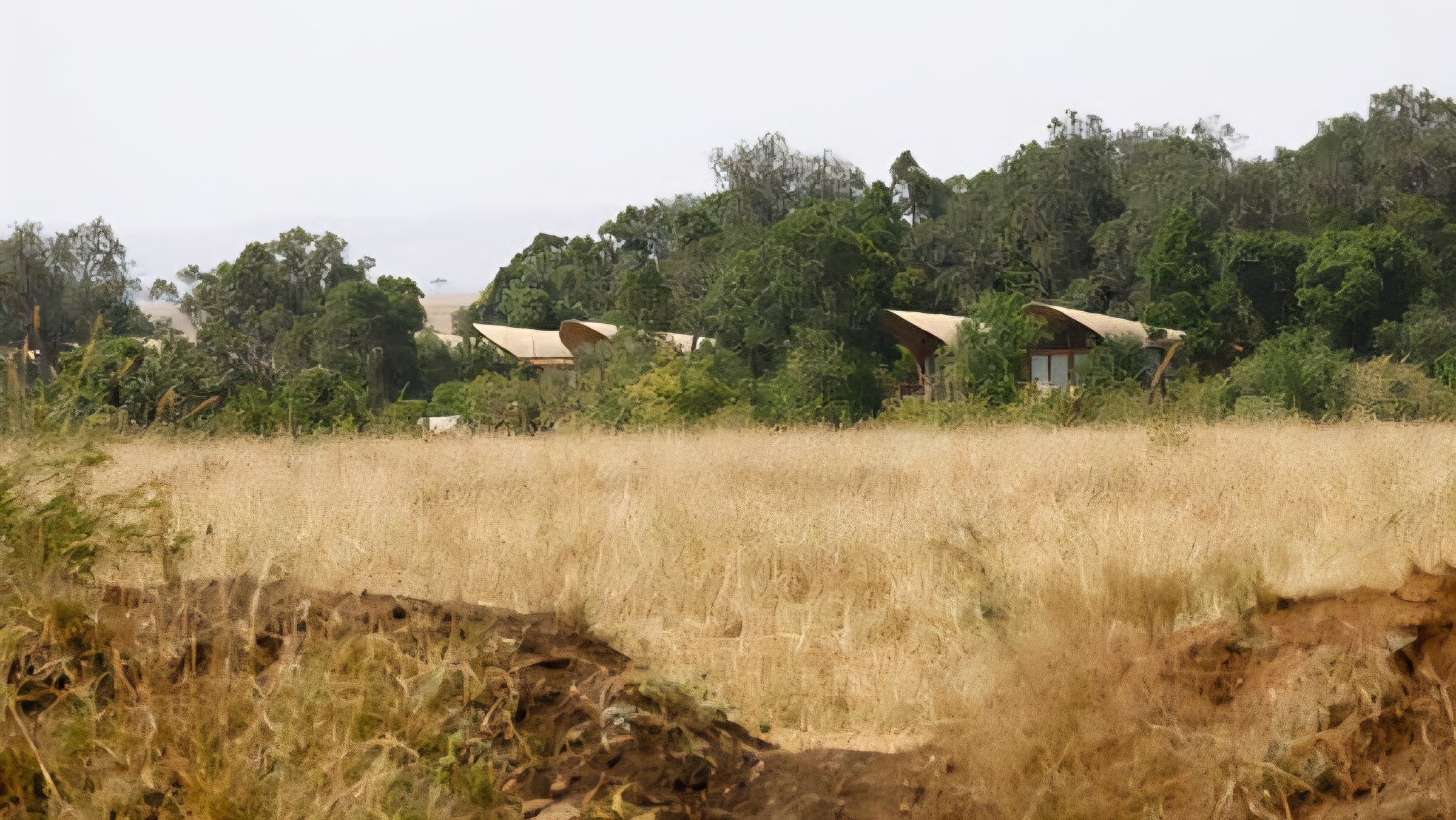

The debut of the Ritz-Carlton Masai Mara Safari Camp has brought the intersection of high-end hospitality and conservation policy into sharp focus. Located along the banks of the Sand River, the 20-suite tented facility is positioned within a critical landscape that serves as a vital water source and a primary transit route for wildlife during the Great Migration, as posted by The New York Times.
At the heart of the current dispute is a lawsuit filed by the Institute for Maasai Education, Research and Conservation (MERC). The petition alleges that the camp’s physical footprint obstructs a crucial corridor used by wildebeest and zebras crossing between Kenya and Tanzania. Conservationists argue that the development contradicts the 2023-2032 Maasai Mara National Reserve Management Plan, which originally suggested a moratorium on new tourism accommodations to protect the reserve’s ecological integrity.
The local developer, Lazizi Mara Limited, has strongly defended the project’s legitimacy. In formal statements, the company confirmed that it secured all necessary regulatory approvals before breaking ground. Their documentation includes a comprehensive lease agreement with the Narok County Government and a full Environmental Impact Assessment (EIA) report. According to the developer, the project underwent public participation and was cleared by the National Environment Management Authority (NEMA).
Government agencies have also moved to support the development’s placement. The Kenya Wildlife Service (KWS) issued a clarification stating that the Ritz-Carlton site sits within a designated "low-use tourism investment zone." To address concerns about the migration, KWS referenced two decades of GPS tracking data from over 60 collared wildebeest. The agency maintains that these animals utilize the entire 68-kilometer stretch of the border rather than a single fixed path, concluding that the camp does not interfere with the natural movement of the herds.
Despite these assurances, the project has faced significant friction from community leaders and environmental activists. Critics have raised concerns about transparency, claiming that detailed ecological studies and permit documents have not been made accessible for independent verification. There are also ongoing questions regarding the density of facilities along the Sand River, where several other permanent and seasonal camps already operate.
From a construction perspective, the lodge features elevated suites built on raised platforms to minimize ground disturbance. The design incorporates biophilic principles, utilizing stone, wood, and canvas to blend with the surrounding acacia forest. While proponents view the project as a move toward a high-value, low-volume tourism model that generates essential revenue for Narok County, the legal and social pushback highlights the persistent difficulties of balancing infrastructure expansion with the strict requirements of a world-renowned wildlife sanctuary.
Comments (0)
Leave a Comment
No comments yet. Be the first to share your thoughts!