

For decades, wind power has been defined by a familiar image: towering structures fitted with large rotating blades that convert wind into electricity. A new generation of engineers and energy developers, however, is exploring whether wind energy can be harvested using a very different approach.
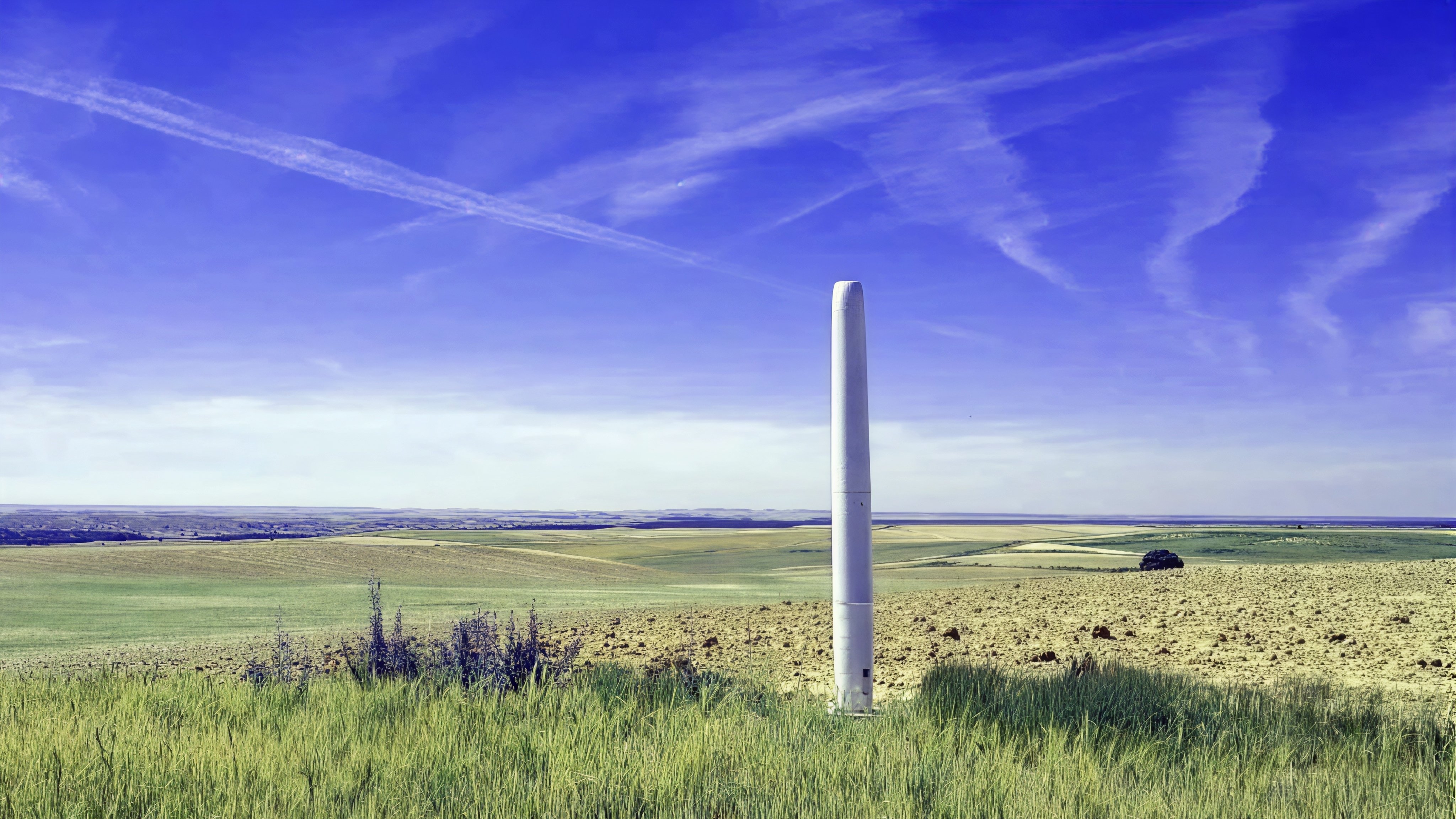
Among the concepts attracting attention is the bladeless wind turbine, a technology that generates electricity through controlled oscillation rather than rotation. Instead of spinning blades, the system typically uses a vertical mast that sways when exposed to wind. The movement is then converted into electrical energy through a generator located within the structure.
One of the most widely discussed examples is the Vortex Bladeless system developed in Spain. The technology relies on a phenomenon known as vortex shedding, where wind flowing around a cylindrical structure creates alternating pressure patterns that cause the mast to vibrate. Those vibrations are subsequently transformed into electricity.
Supporters of the concept argue that eliminating rotating blades addresses several challenges associated with conventional wind turbines. Traditional turbines contain large blades, gearboxes and numerous moving components that require maintenance throughout their operating life.
Bladeless designs use fewer mechanical parts, potentially reducing manufacturing complexity and maintenance requirements. Developers also point to lower noise levels because there are no large blades cutting through the air.
Another frequently cited advantage relates to wildlife. Conventional wind turbines have long faced scrutiny over bird and bat collisions. Because bladeless systems do not use rotating blades, developers argue they present a lower collision risk to flying wildlife.
The compact nature of many prototypes has also prompted discussion about their use in locations where conventional turbines may be impractical. Researchers and developers have suggested applications in urban environments, residential settings and remote sites with limited space.
Despite the interest surrounding the technology, bladeless turbines remain at an early stage compared with the mature wind energy industry. Current prototypes generally produce far less electricity than utility-scale wind turbines and are not viewed as direct replacements for large wind farms.
Instead, many researchers see the technology as a complementary energy source that could work alongside solar panels, batteries and conventional wind installations. Ongoing development efforts are focused on improving efficiency, durability and power output.
Academic research into bladeless wind systems has expanded in recent years, particularly around their potential use in dense urban areas where space constraints, visual concerns and noise considerations can limit deployment of traditional turbines. Engineers continue to test different designs and materials in an effort to improve performance under varying wind conditions.
Whether bladeless turbines eventually become a common feature of the renewable energy sector remains an open question. What is clear is that the concept is prompting fresh discussion about how wind energy can be captured, especially in locations where conventional turbine designs face practical limitations.
Comments (0)
Leave a Comment
No comments yet. Be the first to share your thoughts!