
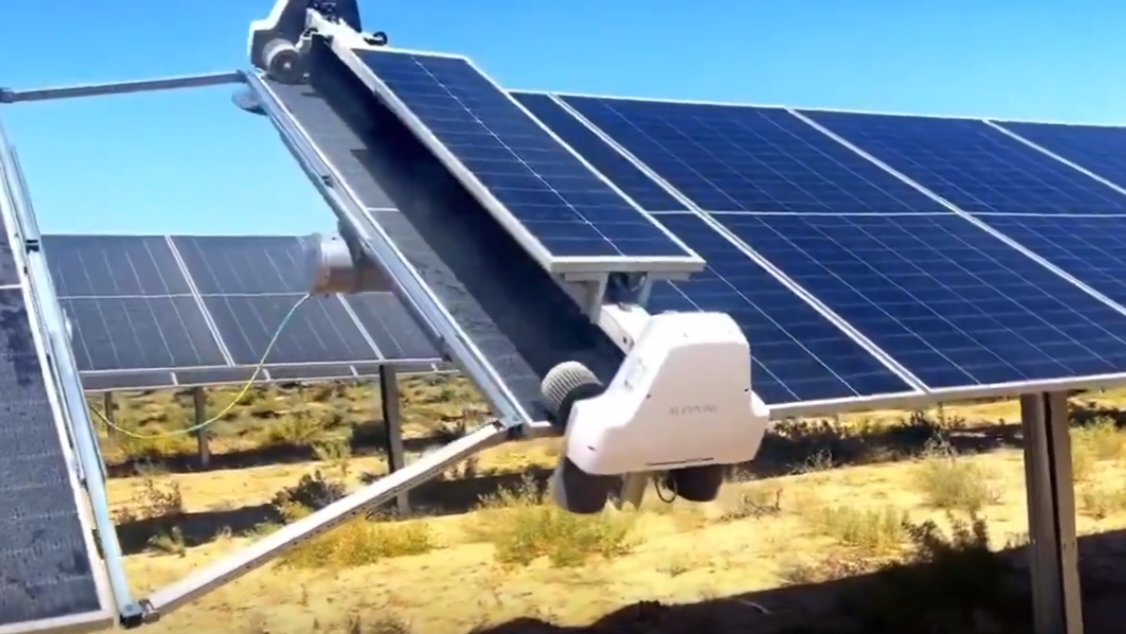

Engineers in China deploy self-powered cleaning equipment equipped with onboard solar units to clear dust across utility-scale power installations. The technology directly addresses operational output losses caused by soil accumulation on glass surfaces without requiring human maintenance operators.
Large Photovoltaic (PV) power plants across arid regions face significant performance drops as windblown dust covers light-absorbing surfaces. Accumulated dirt reduces daily energy production by up to thirty percent, if site operators leave solar modules uncleaned over extended operational periods.
Deploying automated maintenance machinery resolves long-standing access difficulties across sprawling solar fields. Remote tracking systems allow these autonomous units to traverse entire panel rows without requiring constant physical supervision from field technicians on the ground.
These specialized units carry mounted solar modules directly on top of their main body frame. The auxiliary top-mounted panel continuously recharges internal batteries, which drive motorized tracks and rotating cleaning brushes during operation across site arrays.
By generating operational electricity directly from sunlight, the units eliminate dependence on external charging docks or trailing electrical cables. Self-contained power generation enables machines to perform uninterrupted maintenance sweeps along extended solar array rows during peak daylight hours.
Maintenance crews historically relied on manual labor teams or heavy tractor-mounted water sprayers to clean panel surfaces. High labor expenses, physical safety risks, and scarce local water supplies created severe logistical hurdles for project operators in remote locations.
Waterless dry-brushing technology integrated into modern cleaning equipment removes particulate matter without scratching glass coatings. High-speed micro-fiber rollers lift abrasive sand particles away from glass surfaces, preserving optimal light transmission rates for long-term energy generation.
Autonomous navigation software guides each machine along structural panel borders, while internal sensors monitor physical positioning. Integrated edge-detection sensors prevent equipment from slipping off mounting rails during sudden wind gusts or mechanical shifts along elevated structures.
The China National Energy Administration (CNEA) accelerates renewable infrastructure development across western desert regions, including Xinjiang and Inner Mongolia. Heavy dust storms in these arid provinces present relentless operational challenges for utility-scale solar installations.
Engineering contractors constructing utility-scale facilities prioritize automated cleaning infrastructure to protect projected financial yields. Consistent cleaning cycles prevent localized thermal damage, which occurs when trapped debris blocks sunlight and overheats individual photovoltaic cells.
Commercial plant owners report measurable cost savings after replacing manual wash crews with automated robotic cleaning systems. Eliminating water consumption helps renewable energy projects meet strict environmental compliance standards required in water-stressed desert basins.
Plant managers monitor robot operations through centralized control software connected to Local Area Network (LAN) systems. Digital monitoring dashboards track battery charging levels, path progress, and cleaning speeds across thousands of installed solar modules in real time.
Contractors constructing new solar facilities now install support structures specifically engineered to accommodate robotic guidance tracks. Integrating maintenance infrastructure during initial construction lowers long-term operational expenses and simplifies routine maintenance schedules over multi-decade project lifespans.
As global solar capacity expands, self-powered maintenance tools offer a practical framework for maintaining high energy yields. Utility operators increasingly adopt automated machinery to secure reliable electricity output across remote and environmental host conditions.
Engineers continue testing advanced brush materials designed to clear sticky industrial pollutants from panels near industrial centers. Project developers plan to deploy larger self-charging maintenance fleets across expanding clean energy hubs worldwide.
Comments (0)
Leave a Comment
No comments yet. Be the first to share your thoughts!