

A university laboratory in China has emerged as a central breeding ground for the computer scientists driving the nation's recent advancements in artificial intelligence.
The academic environment helped foster researchers who are now deploying technical ingenuity and software imitation to narrow the competitive gap with major United States developers, including OpenAI and Anthropic.
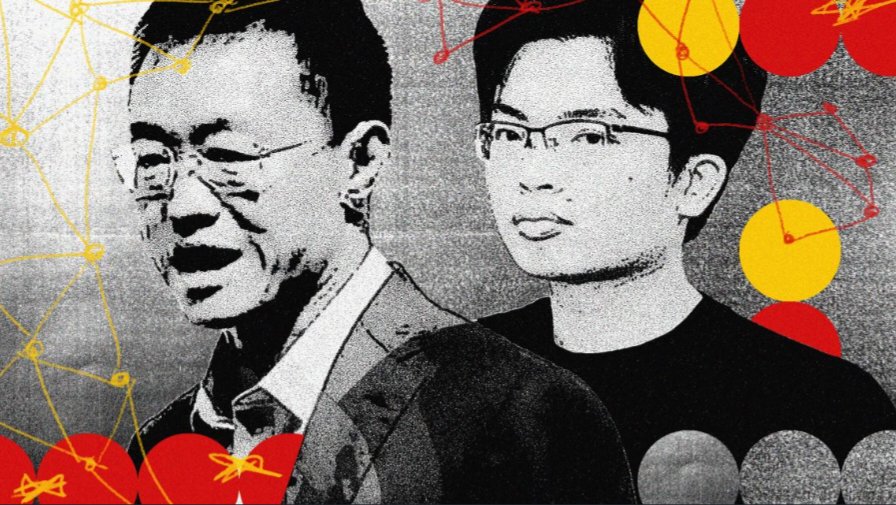
More than a decade ago, Tang Jie worked as a professor at Tsinghua University (TU) where he mentored Yang Zhilin as a student. At the time, the pair shared an ambition to develop computer systems capable of replicating human thought processes. Both researchers have since transitioned into key figures within the global artificial intelligence sector.
Tang Jie co-founded Z.AI, an artificial intelligence company that has built a growing user base while matching international standards in system performance.
Meanwhile, Yang Zhilin leads Moonshot AI, another major enterprise focused on large-scale model development. Market valuations for both technology firms have reached tens of billions of dollars.
The rapid speed at which these laboratories evolved has triggered widespread discussions across research hubs in Silicon Valley and policy centers in Washington. Industry observers note that the scientists involved possess a distinct capability to monetize technical research quickly.
The trajectory of these founders highlights how academic research hubs in China are actively shaping commercial technology ventures.
By combining core foundational research with aggressive commercial execution, these university-bred ventures continue to expand their presence in the global artificial intelligence landscape.
Comments (0)
Leave a Comment
No comments yet. Be the first to share your thoughts!