

A version of this article appeared on CPG Click Oil and Gas.
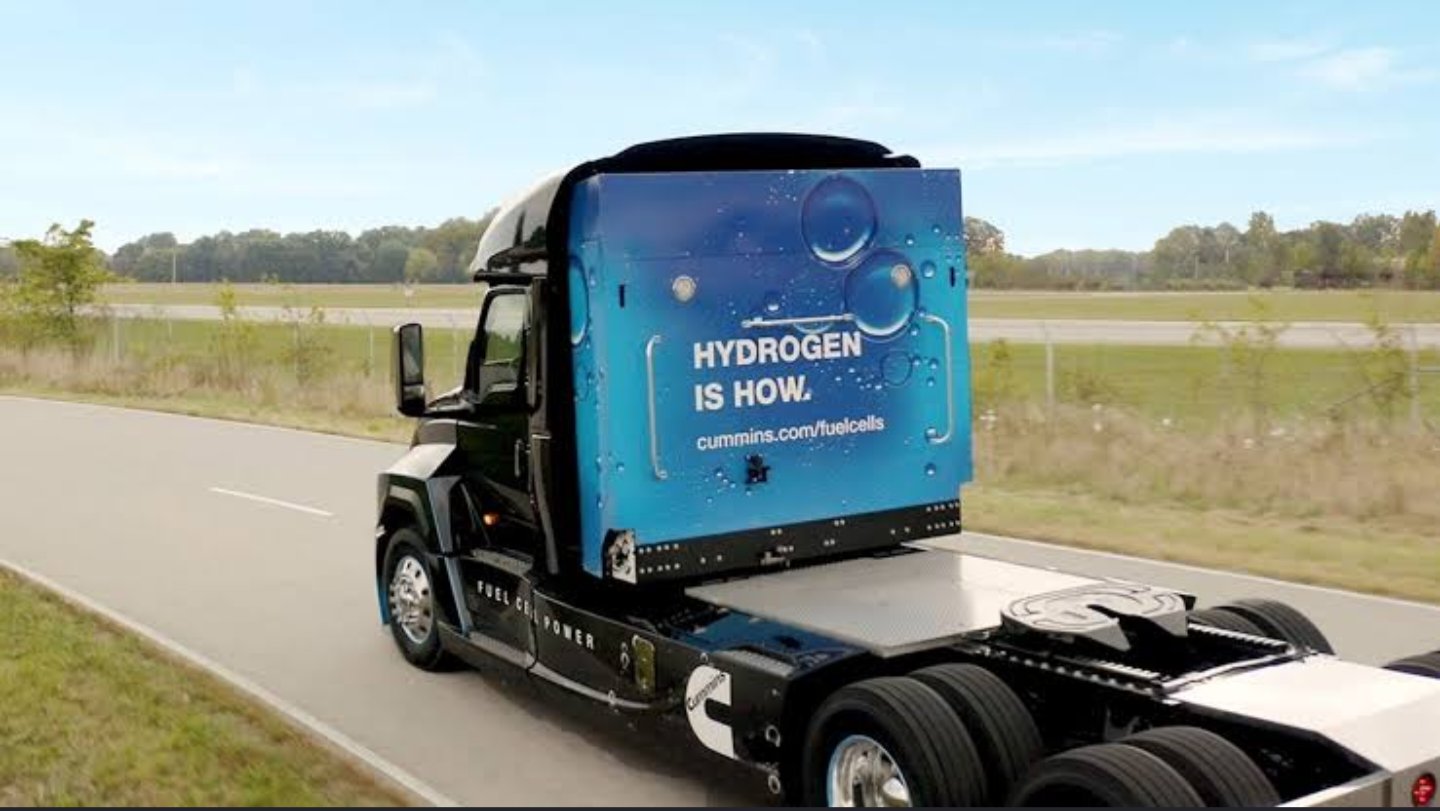
Saudi Arabia has introduced its first heavy-duty hydrogen-powered transport truck equipped with autonomous driving technology, shifting its logistics focus toward alternative fuels and automated long-haul freight operations. The zero-emission cargo vehicle is designed specifically to handle heavy loads across expansive desert transit corridors.
The vehicle operates by utilizing an onboard fuel cell that combines hydrogen gas with atmospheric oxygen to generate electricity, releasing only water vapor. According to project details, the truck achieves a driving range of approximately 1,500 kilometres on a single refuelling cycle.
The refuelling process takes only a few minutes, mimicking the operational turnaround times of standard diesel fleets. This quick-charge capability bypasses the multi-hour downtime usually required by heavy battery-electric commercial vehicles, preserving necessary fleet uptime.
The initial rollout operates under a commercial partnership involving Ismail Abudawood, Procter and Gamble Limited, and Hyperview. The deployment has received direct regulatory backing from the Transport General Authority (TGA), the Ministry of Energy, and the Ministry of Transport and Logistic Services.
By integrating factory-installed autonomous driving systems, the truck targets the repetitive logistics routes connecting distant industrial cities. The software-defined architecture uses artificial intelligence (AI) to facilitate continuous software updates and real-time performance monitoring.
While fully driverless commercial operation remains restricted by evolving regulatory frameworks, insurance structures, and safety protocols, the project serves as a controlled pilot program. Initial operational phases utilize mapped regional corridors, allowing remote supervision teams to monitor transit operations.
For global supply chains, the heavy transport sector remains difficult to decarbonize due to strict payload capacities and tight delivery timelines. Testing alternative propulsion under extreme Gulf temperatures provides critical data regarding fuel cell durability and total operating costs.
The pilot matches broader national infrastructure initiatives aimed at expanding regional logistics capacity. By embedding commercial logistics giants into early technology trials, authorities seek to establish local refuelling networks, maintenance standards, and commercial viability for future fleet procurements.
Comments (0)
Leave a Comment
No comments yet. Be the first to share your thoughts!