
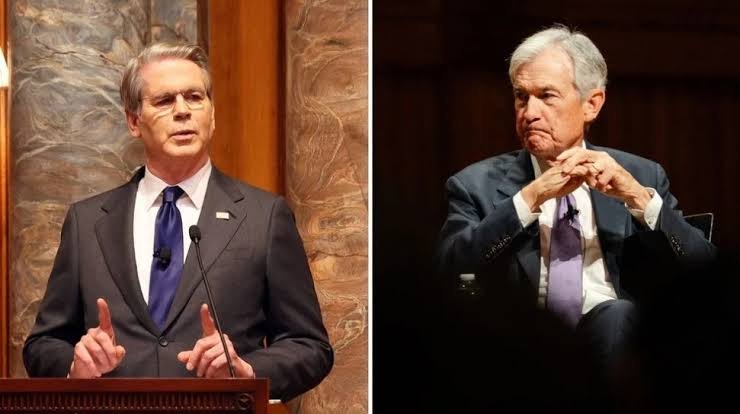

In a move that signals growing alarm within the highest levels of the American financial regulatory system, Treasury Secretary Scott Bessent and Federal Reserve Chair Jerome Powell have convened an urgent meeting with the chief executives of major Wall Street institutions. The high-level briefing centers on specific concerns that the most recent artificial intelligence model released by Anthropic could provide bad actors with unprecedented tools for cyberattacks.
The summons reflects a shift in how Washington views the rapid deployment of large-scale AI systems. While much of the recent discourse around AI in the financial sector has focused on efficiency and automated trading, this meeting highlights the defensive vulnerabilities that such technology introduces to the global banking infrastructure. Officials are particularly worried that the advanced reasoning capabilities of new models could be leveraged to find and exploit weaknesses in bank security systems.
The meeting comes at a time when the financial industry is already under constant pressure from state-sponsored hacking groups and sophisticated criminal organizations. By bringing together the heads of the largest banks, the Treasury and the Fed are attempting to establish a unified front against a new class of digital threats. The discussion is expected to cover how these institutions are auditing their current defenses against AI-generated code and social engineering tactics.
For the construction and infrastructure sectors globally, including major developments in Kenya, this heightened alert serves as a critical reminder of the interconnected nature of digital security. As large-scale infrastructure projects increasingly rely on digital twins and automated management systems, the security of the financial institutions funding these projects remains a primary concern for long-term stability.
The involvement of Secretary Bessent and Chair Powell underscores the gravity of the situation, treating AI-related cyber risk as a systemic threat to the economy rather than a technical hurdle for individual firms. Sources close to the matter suggest that the briefing will push for more transparency regarding how banks integrate these models into their internal operations.
The specific capabilities of the Anthropic model that triggered this response have not been fully disclosed to the public, but the urgency of the meeting suggests a significant leap in potential risk. Financial regulators are now moving to ensure that the pace of AI innovation does not outstrip the ability of the world’s most important banks to defend their assets.
As this situation develops, the focus will likely remain on whether current regulatory frameworks are sufficient to manage the dual-use nature of AI. While these models offer immense benefits for data analysis, their ability to automate the discovery of software bugs presents a clear and present danger to the financial networks that underpin global commerce and infrastructure development.
Comments (0)
Leave a Comment
No comments yet. Be the first to share your thoughts!