
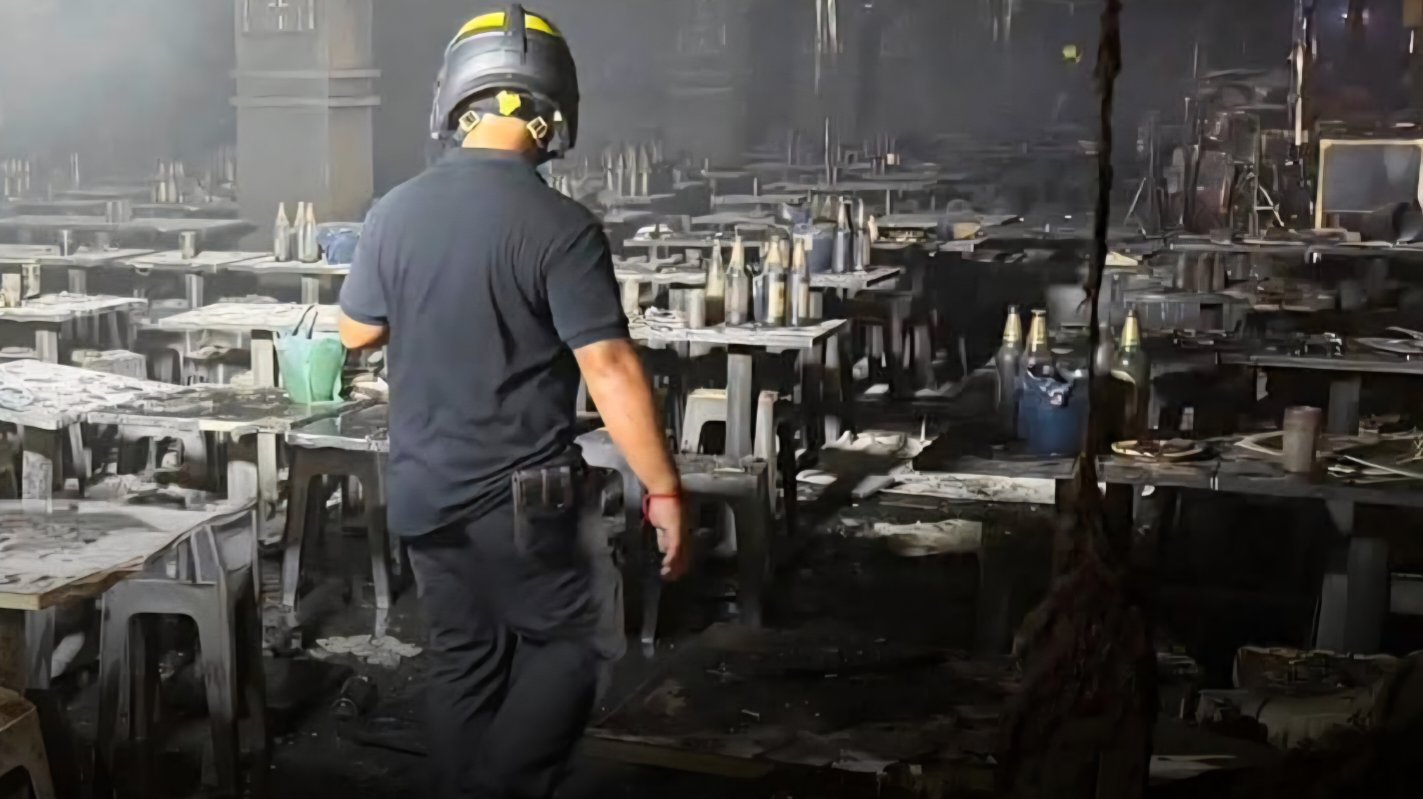

A devastating building blaze at a Bangkok live-music venue has left 32 people dead, after flames ripped through highly combustible acoustic foam installed on the ceiling. The incident at Rong Beer Na Lat Phrao has thrown a sharp focus on compliance failures across the entertainment industry.
Investigators have initially traced the disaster back to a suspected electrical short circuit within a ceiling-mounted air conditioning unit. The subsequent electrical failure ignited the surrounding interior decorations, but this led to a catastrophic accumulation of dense black smoke throughout the venue.
Survivors recounted hearing a sudden pop before the main electrical breaker failed, plunging the room into darkness. Patrons scrambled toward the exits in panic, although narrow evacuation routes and locked secondary doors left many trapped inside.
The tragedy mirrors a historical precedent. Specifically, the 2009 Santika Club inferno claimed 66 lives in the capital.
Despite subsequent updates to the national Entertainment Place Act, legal loopholes allow operators to evade rigorous fire safety checks. Under municipal zoning guidelines enforced by the Bangkok Metropolitan Administration (BMA), facilities registered as standard restaurants escape mandatory installation of commercial-grade fire suppression systems.
This legislative gap allows establishments to deploy cheap insulation instead of certified fire-resistant building materials. Forensic experts confirmed that most fatalities resulted from toxic smoke inhalation, when victims became trapped inside the dark hall.
When standard acoustic foam burns, it releases heavy concentrations of carbon monoxide and lethal hydrogen cyanide, which quickly incapacitate individuals. Members of the performing band, known as Totsakan, were among those who succumbed to their injuries while fighting for survival.
The musicians had noticed sparks falling from the overhead wiring onto the stage equipment right before the building was completely engulfed. Construction inspectors are currently examining the physical structural layout of the facility to determine how the interior modifications received approval.
Preliminary structural assessments indicate that the original building framework was altered to add heavy sound-absorbing panels without formal municipal authorization. The incident has forced the national government to order a comprehensive nationwide audit of all nightlife spots.
Lawmakers are now demanding immediate revisions to existing building codes. Critics label these codes as completely unrealistic for modern high-density entertainment hubs.
Structural engineers emphasize that applying fire-retardant coatings to interior surfaces can significantly delay flame spread during electrical failure events. However, without strict enforcement of commercial building codes by local regulators, property owners frequently prioritize acoustic performance over basic human life safety.
Regional hospital registries indicate that dozens of injured patrons remain hospitalized, with fifteen individuals still listed in critical condition. Emergency response teams continue to clear the charred debris from the site, while forensic teams finalize their investigation into the building management.
Local construction associations have called for immediate mandatory certification of all interior decoration materials imported into the country. They argue that implementing a standardized tracking system for building components would prevent unauthorized substitutions by rogue subcontractors.
International engineering consultants have frequently noted that regional compliance frameworks remain dangerously fragmented compared to Western fire standards. The absence of automated overhead sprinkler networks and clear emergency lighting path markers contributed heavily to the massive bottleneck at the primary exits.
Comments (0)
Leave a Comment
No comments yet. Be the first to share your thoughts!