
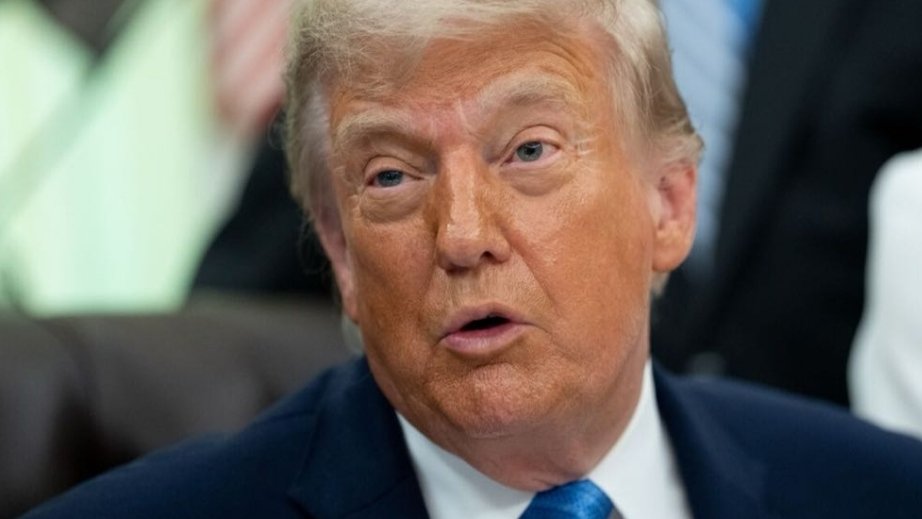

The United States and Iran reached a provisional agreement to halt their conflict and reopen the Strait of Hormuz. President Donald Trump announced the deal on Sunday night, coinciding with his 80th birthday.
The memorandum of understanding sets a tight 60-day window for further talks on Iran's nuclear programme. That issue has long frustrated previous administrations. The formal signing is scheduled for June 19 in Switzerland.
Neither side has released the full text of the agreement. Officials described it as an interim step focused first on ending hostilities and restoring oil shipments through the critical waterway.
The deal emerged after more than two months of strained negotiations mediated in part by Pakistan. It aims to stop a war that has claimed thousands of lives across the region.
Key elements include reopening the Strait of Hormuz to maritime traffic. The waterway had been disrupted by the conflict, affecting global energy markets. Iran is expected to receive some sanctions relief as part of the arrangement.
Trump has emphasised certain aspects in public statements. These include permanent barriers to nuclear weapons development, no upfront cash payments, and US verification access to sites. The approach differs from the 2015 JCPOA deal under President Obama.
Iran has circulated competing drafts of the agreement. At least three versions exist, all covering Hormuz access, sanctions measures, and a path to nuclear discussions. US officials have stuck firmly to the announced timeline despite these differences.
The provisional pact leaves several sticking points for the next phase. These include the sequence of nuclear-related steps, control over regional waters, and issues tied to Lebanon such as Israeli withdrawal.
Negotiators will now attempt to bridge gaps that proved difficult in earlier rounds. Past efforts on Iran's nuclear ambitions have repeatedly stalled over enrichment limits and verification mechanisms.
The agreement comes amid competing narratives from both capitals. Iran has pushed its interpretation of terms while the US maintains its version of the timeline and commitments.
Regional players are watching closely. The conflict had escalated tensions involving Israel, Lebanon, and broader Gulf dynamics. Reopening Hormuz could ease pressure on oil prices and shipping routes.
Details on implementation remain limited. The 60-day period will test whether the two sides can convert the ceasefire momentum into a more durable understanding on the nuclear front.
For now, the focus shifts to the June 19 signing and the intensive talks that follow. Success there could reshape Middle East security for years. Failure risks a return to confrontation.
Comments (0)
Leave a Comment
No comments yet. Be the first to share your thoughts!