
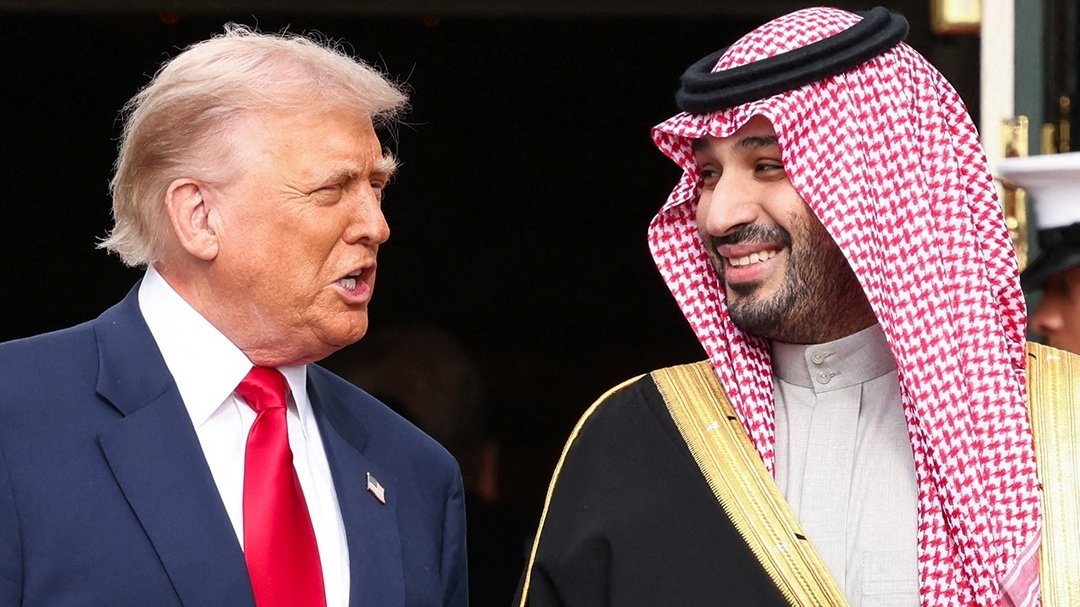

The United States has signed a significant civil nuclear cooperation agreement with Saudi Arabia. The deal establishes a framework for long-term partnership in peaceful nuclear energy.
US Energy Secretary Chris Wright and his Saudi counterpart finalised the pact. It confirms American firms as preferred partners for the kingdom's nuclear programme. Officials stress adherence to strong nonproliferation standards.
The agreement builds on earlier discussions. It creates the legal basis for multi-billion-dollar projects involving reactors and related infrastructure. Saudi Arabia seeks to diversify its energy mix beyond oil.
President Donald Trump highlighted the partnership. It aligns with broader economic and security ties between the two countries. Saudi commitments to US investments have grown substantially in recent years.
Details remain limited. The pact includes bilateral safeguards and IAEA involvement. Questions persist about uranium enrichment, a sensitive issue given regional dynamics.
American companies stand to benefit. Westinghouse and others could supply technology for power plants. The deal supports US jobs in nuclear manufacturing and services.
Saudi Arabia has pursued nuclear capacity for electricity and desalination. Plans include multiple reactors. The partnership aims to accelerate development while maintaining international oversight.
Critics raise proliferation concerns. Saudi officials have previously expressed interest in full fuel cycle capabilities. The current agreement reportedly restricts domestic enrichment.
The timing coincides with heightened Middle East tensions. Observers watch how the deal affects regional balance. US officials insist safeguards prevent weapons-related activities.
This marks another step in US-Saudi energy cooperation. Earlier memoranda covered critical minerals and broader infrastructure. Nuclear energy adds a strategic dimension.
The kingdom aims for energy security and export potential. Nuclear power could reduce domestic oil consumption. Excess capacity might support hydrogen production or other industries.
Implementation will take years. Regulatory approvals, site preparation and construction follow. Both sides expect steady progress under the new framework.
Global interest in nuclear energy has risen with climate goals. Saudi Arabia joins several countries expanding civilian programmes. The US position as technology provider strengthens its influence.
The agreement reflects pragmatic diplomacy. Economic benefits for American industry combine with strategic engagement in the Gulf. Further details may emerge as projects advance.
Comments (0)
Leave a Comment
No comments yet. Be the first to share your thoughts!