
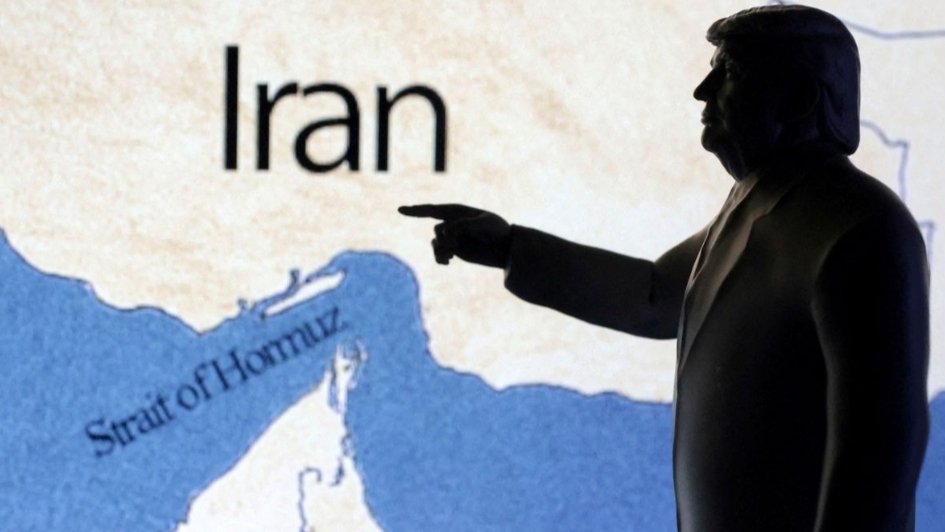

A version of this article appeared on Bloomberg News.
The US and Iran have agreed to reopen the Strait of Hormuz following their digital peace deal. Yet returning commercial shipping to pre-war levels presents substantial challenges.
The strait ranks as the world’s most important route for oil and natural gas tankers. It has been largely closed since fighting erupted between the two countries in February.
Prediction markets reflect cautious optimism. They assign a 51 percent chance of normal traffic resuming before August 1 and 68 percent before September 1.
Navigational safety stands out as a primary obstacle. Military operations during the conflict likely left mines, wrecks or debris in the channel. Clearance operations will require time and international coordination.
Insurance companies have grown wary of the region. Premiums for vessels transiting the strait remain high even after the agreement. Ship owners may continue opting for longer routes around Africa.
Diplomatic trust issues complicate matters. Naval forces from both sides and their allies must establish protocols to avoid misunderstandings during the transition.
Operational readiness adds another layer. Ports, pilots and support services on both shores need to ramp up after months of disruption. Communication systems and signalling may require repairs or upgrades.
For the global construction industry the delays matter. Fuel price swings and elevated shipping costs for steel, cement and equipment have strained project budgets.
Full restoration could eventually ease these pressures. Stable energy flows through the strait would support more predictable material supply chains worldwide.
Initial talks in Switzerland this week will address implementation details. Progress there could determine how quickly tankers resume normal passages.
The agreement marks a significant diplomatic step. Practical realities on the water however suggest a gradual rather than immediate return to business as usual.
Comments (0)
Leave a Comment
No comments yet. Be the first to share your thoughts!