
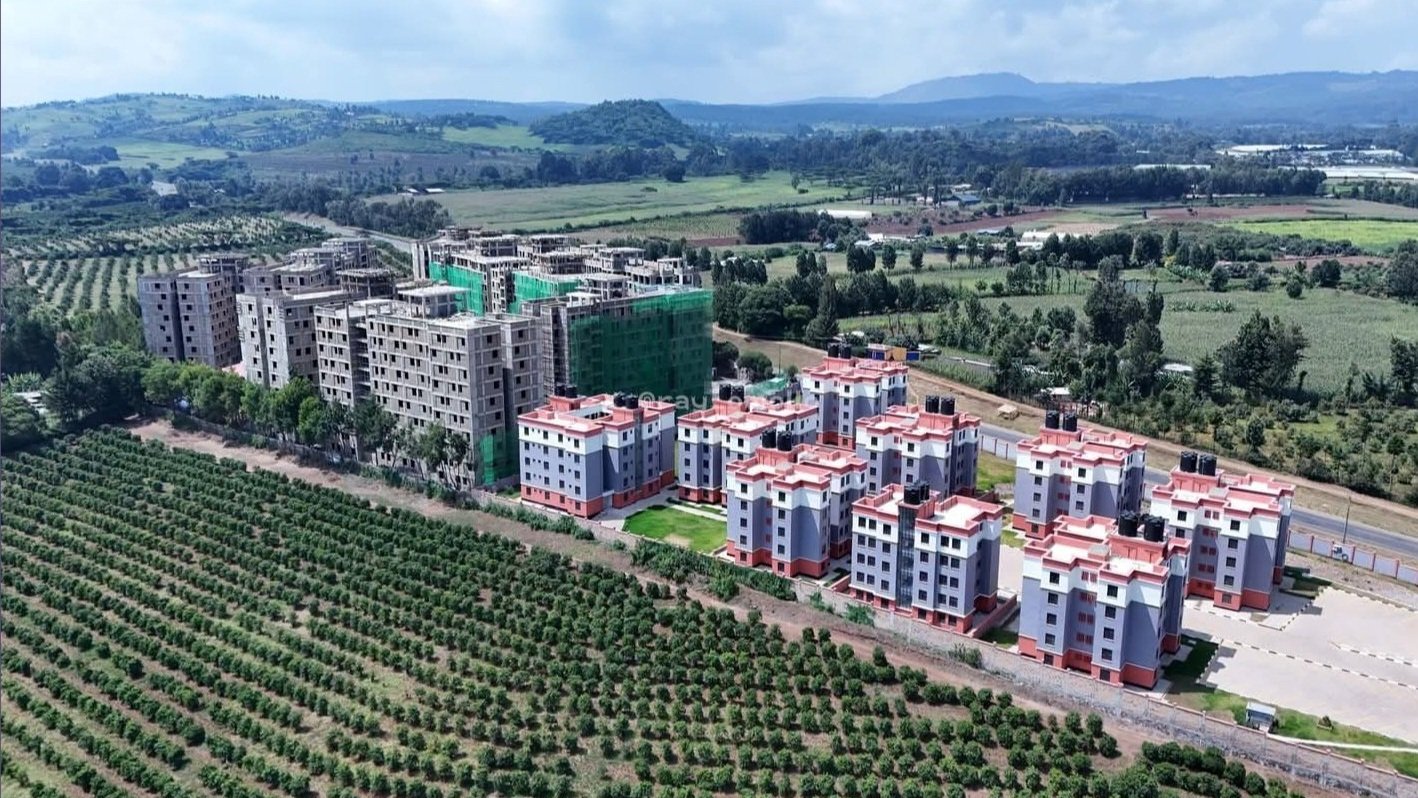

Construction work on the second phase of the Bahati housing development in Nakuru County has commenced, expanding state efforts to supply lower-cost residential property in regional urban centers. Official updates released by government representatives confirm that civil works are progressing on site, where contractors are constructing additional apartment blocks.
This latest phase adds 1,218 modern residential units to the location, following the initial delivery of 220 units in the first phase. State planners designed the development under the broad Affordable Housing Programme (AHP), which seeks to address urban shelter deficits across various counties.
The project site sits within Bahati constituency, situated adjacent to the local Deputy County Commissioner headquarters. Land allocation for the development covers ten acres, providing space for multi-family residential structures and supporting service infrastructure.
The State Department for Housing and Urban Development (SDHUD) designed the master plan to cater to different income brackets. Residential typologies within the scheme include social housing units, affordable apartments, and market-rate units ranging from single rooms to three-bedroom layouts.
Earlier construction in the first phase established 20 one-bedroom apartments, 120 two-bedroom units, 20 three-bedroom units, and 60 studio apartments. Built structures in that initial allocation are complete, enabling planners to transition resources toward scaling up site density.
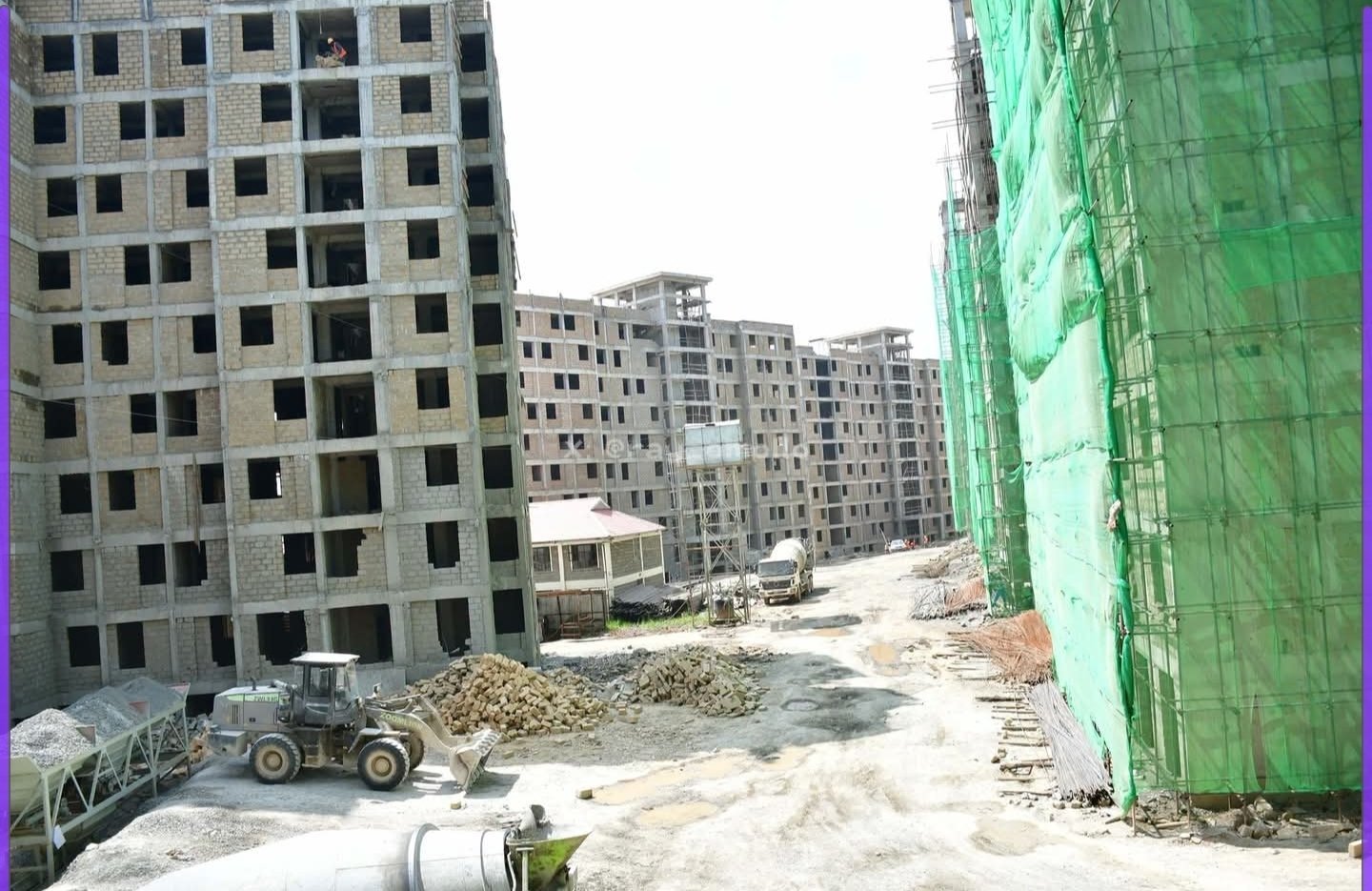
Phase two expands on that foundation, incorporating commercial space alongside residential accommodation. Plans specify the inclusion of 39 retail shops, designed to support daily commercial needs for incoming residents.
Onsite infrastructure includes paved access roads, internal cabro driveways, designated parking areas, and pedestrian walkways. Contractors are installing perimeter security walls, guard houses, and dedicated outdoor drying platforms to serve individual residential blocks.
Utility installations feature centralized gas reticulation systems connected to individual kitchens, reducing reliance on portable gas cylinders. Solar lighting units illuminate common areas, while rainwater harvesting systems and greywater recycling structures manage site water usage.
Environmental compliance standards require the development to achieve certification through Excellence in Design for Greater Efficiencies (EDGE), a global green building framework. The standard enforces specific energy and water conservation benchmarks across all new construction stages.
County authorities in Nakuru have backed the project, noting that public land recovery efforts enabled the site allocation. Local administration officials confirmed that civil construction activities continue to generate short-term employment for local artisans.
Skill training programs organized in partnership with the National Construction Authority (NCA) aim to accredit trade workers active on the site. Small and Medium Enterprises (SMEs) are participating in subcontracting roles, executing masonry, paving, and general site fabrication work.
The housing initiative forms part of a broader national effort backed by President Ruto to construct residential units across county hubs. Further residential phases across Nakuru County remain active as government agencies attempt to meet urban growth demands.
Comments (0)
Leave a Comment
No comments yet. Be the first to share your thoughts!