
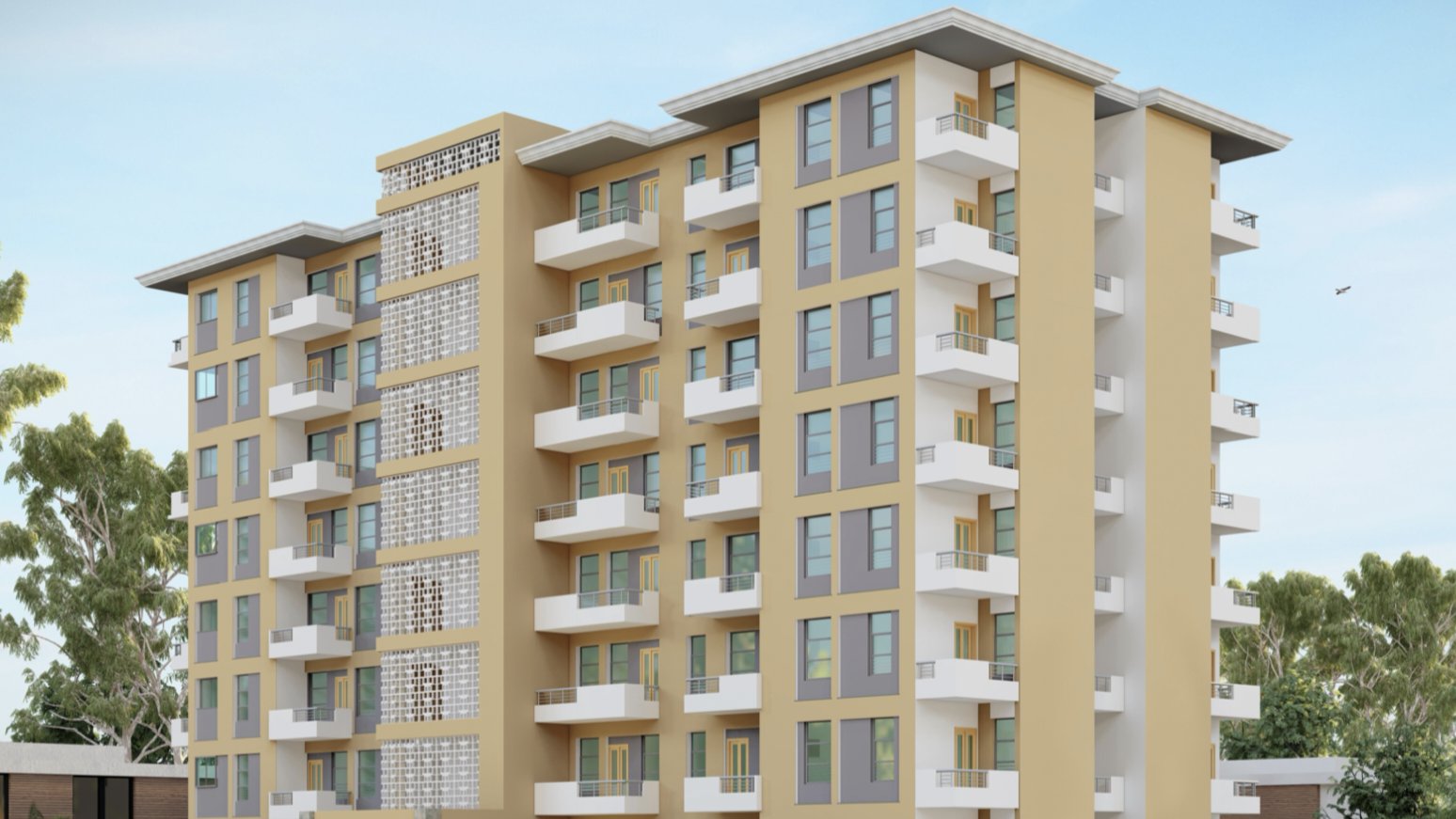

The State Department for Housing and Urban Development has moved to clarify the technical and financial details of the Lang'ata Affordable Housing project. Principal Secretary Charles Hinga, while addressing stakeholders, detailed the specific layout and cost structures intended for the site. This follows recent public scrutiny regarding whether the units meet the promised standards of the national housing program.
According to the Principal Secretary, the Lang'ata development is designed to cater to different income brackets through a tiered system. He noted that the project will include studio apartments, one-bedroom, two-bedroom, and three-bedroom units. This variety is intended to ensure that the development does not become a monolithic block, but a diverse residential community.
The studio units, often referred to as bedsitters, are expected to measure approximately 20 square meters. These are positioned as the entry-level option for low-income earners. Hinga emphasized that despite their compact size, the design maximizes space utility. These units are priced to remain within the reach of individuals currently paying high rents for informal or sub-standard housing in the city.
One-bedroom units in the Lang'ata scheme will span roughly 30 square meters. These are aimed at young professionals and small households. The pricing for these units is structured under a long-term tenant purchase scheme. This allows the locals to transition from being lifelong renters to homeowners through monthly payments that mirror current market rental rates.
For larger families, the two-bedroom and three-bedroom apartments offer 40 and 60 square meters, respectively. PS Hinga clarified that the construction costs are kept low through a combination of tax exemptions on building materials and the provision of state land. This subsidy is a core pillar of the plan championed by President Ruto to bridge the housing deficit.
The PS addressed concerns about the quality of the finish and the density of the buildings. He stated that the government has implemented strict oversight to ensure that the contractors adhere to the National Construction Authority standards. The Lang'ata site will also include essential social amenities such as play areas, a community center, and adequate green spaces to prevent overcrowding.
Infrastructure around the site is also being upgraded to handle the increased population density. This includes expanded sewer lines and improved access roads. Hinga noted that the project is not just about four walls, but about creating a dignified living environment. He argued that the criticism often stems from a misunderstanding of the social housing model used globally.
Financing for the project remains a key point of discussion. The PS reiterated that the Housing Fund serves as a guarantee for developers, ensuring that they have a ready market once the units are completed. This off-take agreement reduces the risk for private investors, allowing them to offer the units at the capped prices set by the ministry.
The locals have been encouraged to register on the Boma Yangu portal to express interest in the Lang'ata units. Priority will be given to those who have consistently contributed to the housing levy. Hinga confirmed that the selection process will be transparent and digitized to prevent any irregularities in the allocation of the completed apartments.
Construction at the Lang'ata site is progressing according to the revised timelines. The ministry expects that the first phase of the development will be ready for occupation within the next eighteen months. This project is seen as a flagship for the urban renewal strategy in Nairobi, aiming to replace dilapidated structures with modern, high-rise residential buildings.
Comments (0)
Leave a Comment
No comments yet. Be the first to share your thoughts!