
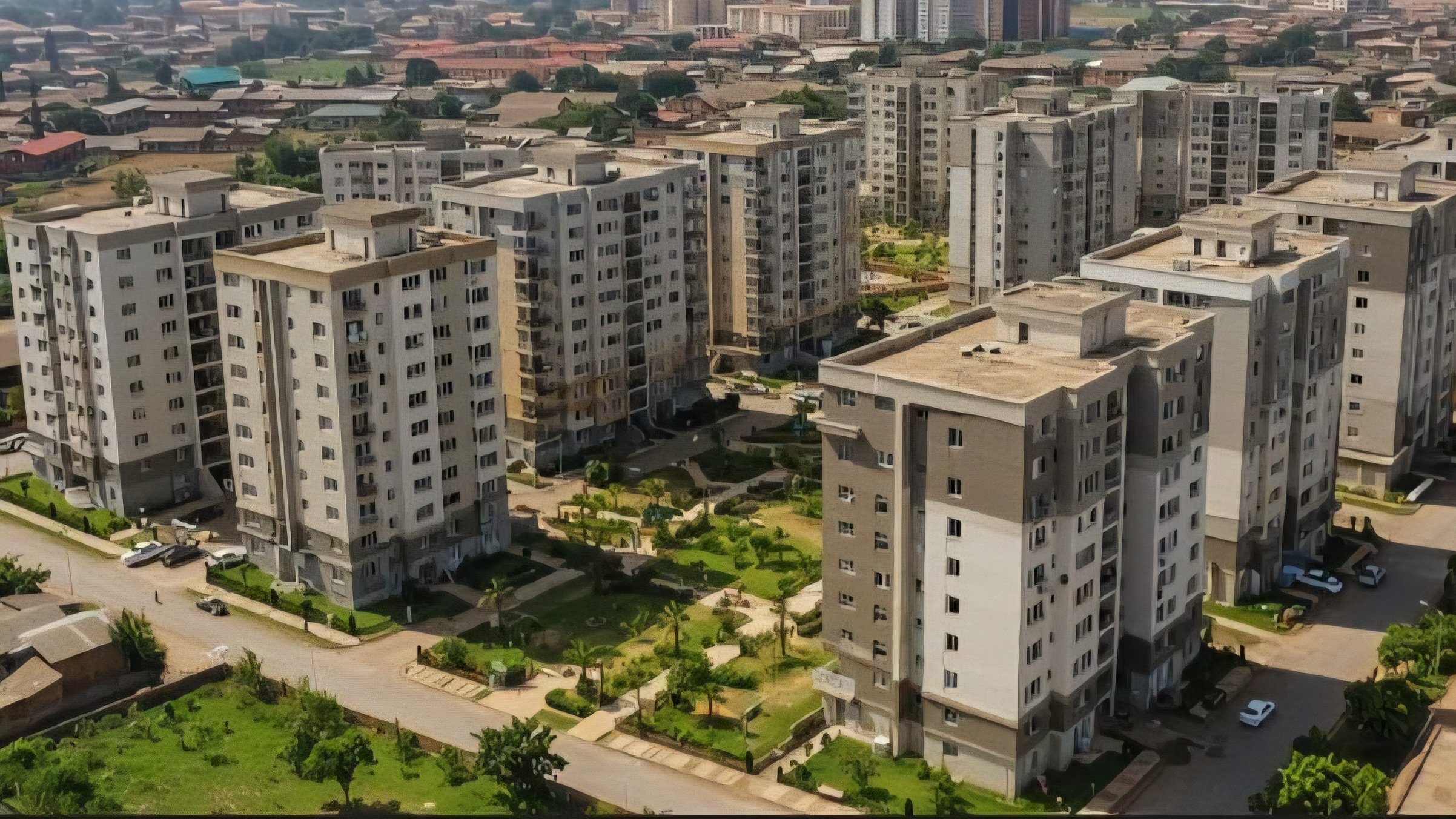

Kenya’s government now says it needs close to Sh400 billion every year to keep the affordable housing programme running. The plan is part of wider efforts to expand access to decent homes for low and middle-income earners across the country.
Officials say the high annual requirement reflects the scale of construction, land acquisition, infrastructure development, and financing needed to deliver thousands of housing units. The programme continues to grow as demand for urban housing rises.
A large portion of the funds is expected to go into building housing units in major towns and fast growing urban areas. Cities such as Nairobi, Mombasa, Kisumu, and Nakuru are among the key focus zones due to rising populations.
The government has also indicated that part of the budget will support supporting infrastructure such as roads, water supply, electricity connections and sewer systems. These services are necessary to make housing projects functional and livable.
Authorities have pointed out that the programme is designed to reduce the national housing deficit, which has built up over many years. Many urban residents still live in informal settlements or overcrowded conditions.
Funding the programme remains a major challenge, with the government relying on a mix of budget allocations, housing levies and private sector investment. Officials say partnerships are key to meeting the annual target.
Private developers are expected to play a central role in delivering housing units under public-private partnership arrangements. The approach is meant to speed up construction while sharing costs and risks between stakeholders.
The programme is also linked to job creation goals, as construction projects are expected to generate employment for thousands of workers in building, engineering, and related industries across the country.
However, concerns remain over the affordability of the final housing units for ordinary citizens. Some critics argue that rising construction costs could push prices beyond the reach of low-income households.
Land availability in urban areas continues to be another major constraint. In some regions, high land prices and legal disputes have slowed down the implementation of planned housing projects.
Government officials maintain that reforms in land management and improved planning systems will help reduce delays and lower overall development costs in the long term for the housing programme.
As the programme expands, the Sh400 billion annual requirement highlights the financial pressure facing the government. Balancing affordability, sustainability and speed of delivery remains a key challenge moving forward.
Comments (0)
Leave a Comment
No comments yet. Be the first to share your thoughts!