
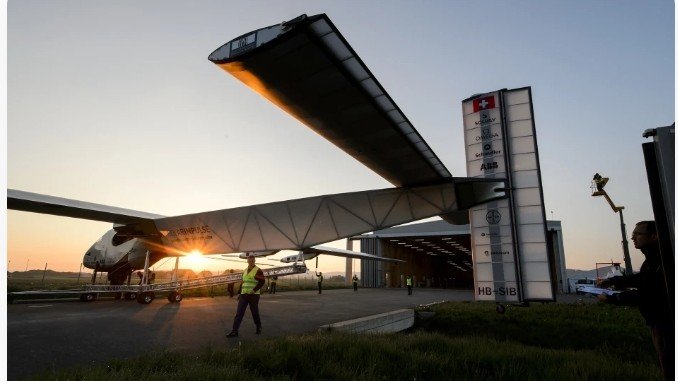

A Swiss solar powered aircraft described as part of a long running research program has reportedly crashed into the sea during a test flight, raising questions about experimental aviation safety and the limits of renewable powered flight technology.
According to early reports from aviation observers, the aircraft was operating over coastal waters when it experienced difficulties and lost altitude. The pilot initiated emergency procedures before the plane entered the sea.
Rescue teams were quickly dispatched after distress signals were detected. Maritime authorities coordinated with aviation units to locate the aircraft and secure the area around the crash site.
Officials have not yet confirmed the exact cause of the incident. Investigators are expected to examine flight data, weather conditions and the aircraft’s solar and battery systems to understand what went wrong.
The aircraft was part of a Swiss initiative focused on advancing solar-powered aviation, a field aimed at reducing dependence on fossil fuels and testing long-duration flight capabilities using renewable energy sources.
Witnesses in nearby coastal areas reported seeing a low flying aircraft before it disappeared from view. Some described unusual flight behavior shortly before the crash, though these accounts remain unverified.
Search and recovery operations were carried out with support from coast guard units. Debris was located in the water, and efforts began to recover key components for technical analysis.
The pilot involved in the incident was reportedly recovered by rescue teams. Medical assessments were carried out, though no detailed information about injuries has been officially released.
Aviation experts note that solar-powered aircraft are highly sensitive to weather changes and energy balance, as they rely on consistent sunlight and efficient energy storage systems.
The Swiss project behind the aircraft has previously been recognized for successful long-distance solar flights, making this incident a setback in an otherwise steady development program.
Authorities emphasized that experimental aircraft often operate at the edge of current technology, where testing is essential for improving safety and performance in future designs.
Engineers involved in the project are expected to review onboard systems, including energy distribution, propulsion control, and structural integrity, as part of the investigation.
Environmental conditions at the time of the crash, including cloud cover and wind patterns, will also be analyzed to determine whether external factors contributed to the incident.
Despite the crash, experts in renewable aviation stress that such setbacks are part of the development process and do not necessarily indicate fundamental flaws in solar flight technology.
Further updates are expected once recovery teams complete their work and preliminary findings from aviation authorities are released in the coming days.
Comments (0)
Leave a Comment
No comments yet. Be the first to share your thoughts!