
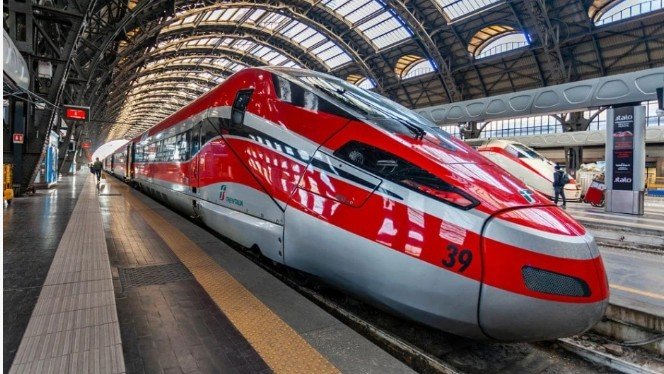

European Union policymakers are introducing new rules aimed at making cross border train travel simpler. The proposal focuses on allowing passengers to book journeys across different rail companies with a single ticket instead of separate bookings for each operator.
At the moment, passengers travelling between EU countries often face fragmented systems. Each railway company has its own booking platform, pricing structure and conditions, which can make international rail trips complicated and time-consuming to organise.
Under the proposed changes, travellers would be able to buy one ticket that covers an entire journey, even if it involves multiple train operators. This would also include better coordination of schedules so that connections between trains are easier to manage.
A key aim of the policy is to reduce missed connections. Currently, if one train is delayed and a passenger misses a connecting service run by a different company, they may not be automatically rebooked or compensated under a single agreement.
The new rules would place more responsibility on rail companies to cooperate. If a delay affects a connecting service, passengers would be rebooked on the next available train without needing to purchase a new ticket.
Officials behind the proposal say the changes are intended to make rail travel a more attractive option compared to short-haul flights. Air travel within Europe remains faster in many cases, but trains are often seen as more environmentally friendly.
Environmental concerns are part of the broader motivation. The European Union continues to encourage lower-carbon transport options, and improving rail connectivity is seen as one way to reduce reliance on air and road travel.
However, the plan may face challenges from national rail operators. Some companies are concerned about how revenue would be shared when a journey involves multiple providers, especially on popular international routes.
There are also technical challenges. Many rail systems in Europe still rely on different digital platforms that do not easily communicate with each other. Creating a unified booking system would require significant coordination and investment.
Consumer groups have generally welcomed the proposal. They argue that passengers currently bear too much risk when something goes wrong on multi-operator journeys and that clearer rights would improve confidence in rail travel.
Some transport experts caution that implementation could take years. While the policy direction is clear, aligning pricing systems, ticketing technology and legal frameworks across dozens of operators is complex.
Despite these difficulties, supporters believe the benefits could be significant. A more connected rail system could make it easier for people to travel across Europe for work, study and tourism without relying on air travel.
The idea also aligns with broader efforts to promote sustainable tourism. Easier train access between cities could encourage travellers to explore multiple destinations in a single trip without the stress of managing separate bookings.
If adopted widely, the “one trip, one ticket” system could mark a major shift in how European rail travel is experienced. It would move the system closer to a unified network rather than a collection of national services.
For now, the proposal remains under discussion, but it signals a clear direction of travel. The European Union is pushing toward a future where crossing borders by train is as simple as booking a single journey at home.
Comments (0)
Leave a Comment
No comments yet. Be the first to share your thoughts!