
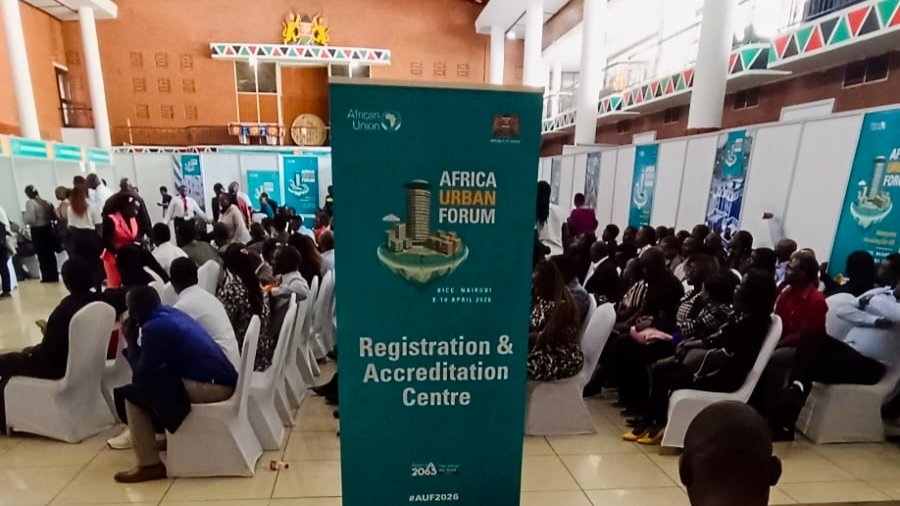

Delegates began arriving at the Kenyatta International Convention Centre from early morning on Wednesday for the opening of the second Africa Urban Forum. Pass collection ran from 07:30 to 09:00 before the formal proceedings got under way in the Tsavo Ball Room.
The African Union Commission convenes the forum while the Kenyan government hosts it through the State Department for Housing and Urban Development. UN-Habitat and the UN Economic Commission for Africa provide technical support. The gathering runs through 10 April.
Organisers set the theme as Adequate Housing for All: Advancing Socio-economic and Environmental Transformation towards the Realization of Agenda 2063. Sub-themes cover urban planning and infrastructure development, resilience building, smart cities and innovation, displacement, financing models, and informal settlement transformation.
Kenya earned the right to host because of its record in urbanisation policy and housing delivery. The country has rolled out large-scale affordable housing initiatives and co-leads the Building Climate Resilience with the Urban Poor programme. Officials framed the forum as a chance to showcase these efforts while shaping wider African approaches.
The day opened with a 90-minute ceremony followed immediately by a heads of state segment of equal length. Both sessions took place in the main Tsavo Ball Room. Country statements formed the first plenary later in the day at the Amphitheatre. Parallel sessions addressed urban planning and infrastructure in the Aberdares room and resilience and sustainable development in the Lenana room.
Exhibitions opened alongside the main programme. Side events ran in the margins while delegates used lunch and networking breaks to make connections. A gala dinner was listed for the evening.
The forum brings together heads of state, ministers, mayors, governors, private sector representatives, civil society, youth and urban practitioners. Its stated aim is to move beyond discussion toward concrete steps on housing and human settlements.
At the close on Friday participants are expected to adopt the AUF2 Nairobi Declaration. The document will set out shared African positions on housing and feed directly into the continent’s input at the thirteenth World Urban Forum.
Preparations at KICC had been visible in the days leading up to the start. Booths from government agencies and partners, including the Nairobi Rivers Commission, were already active by mid-morning. One official KICC update described Day One as complete by early afternoon and pointed ahead to sessions on technology and smart cities on Thursday.
The Africa Urban Forum itself was established by the African Union as a standing platform for coordination on urbanisation and settlements. This edition comes at a time when rapid city growth across the continent continues to test infrastructure capacity and housing supply.
No detailed outcomes from the opening speeches or heads of state segment were released in the initial updates. Focus remained on the structure of the programme and the range of stakeholders present. Registration had closed earlier in the week but pass collection on site allowed final arrivals to join.
Kenyan officials have used the hosting to highlight domestic progress on decent housing. The forum also serves as a preparatory step ahead of global discussions later this year.
By evening the main sessions had wrapped and exhibitions remained open for continued viewing. Delegates are due back on Thursday for deeper dives into the sub-themes. The schedule keeps the emphasis on practical exchange rather than ceremonial events.
Comments (0)
Leave a Comment
No comments yet. Be the first to share your thoughts!