
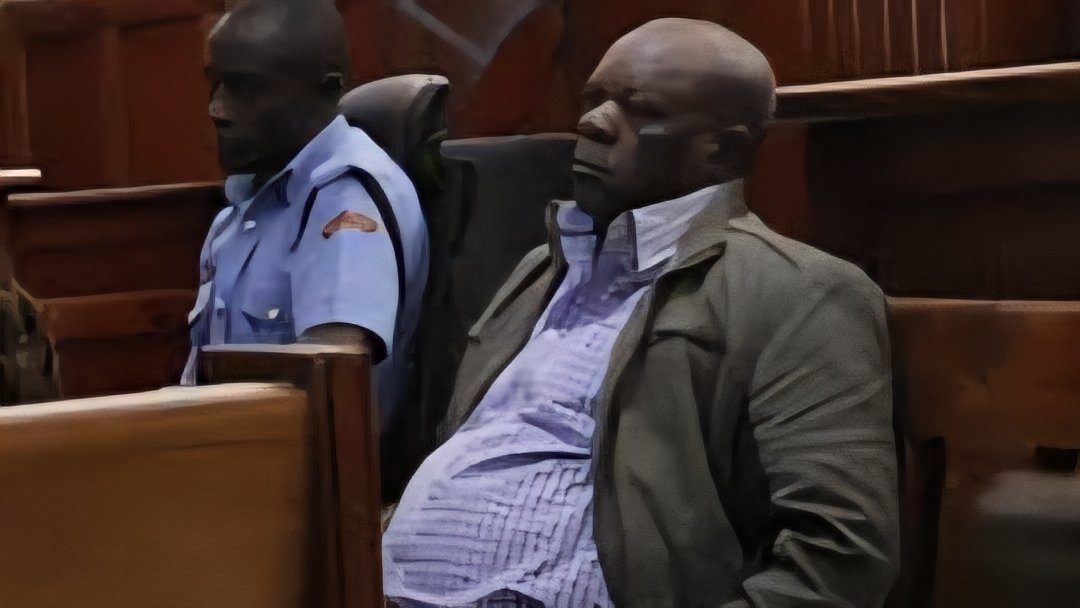

A Nairobi court has sentenced Samuel Karanja to seven years in prison following the 2016 collapse of a residential building in Huruma estate. The tragedy, which resulted in the deaths of 52 people, remains one of the most significant structural failures in the history of the city.
The convict was held liable for illegally renting out a structure that had already been condemned by authorities. Despite the clear warnings and the marked status of the building, Karanja continued to collect rent from unsuspecting tenants who occupied the six-storey block.
The collapse occurred on April 29, 2016, following a period of heavy rainfall in the capital. Rescuers spent days sifting through the rubble of the Ngei II Estate property, pulling survivors and bodies from the debris. The trial has lasted nearly a decade, as the court examined evidence regarding the building’s proximity to a river and the use of substandard materials during its rapid construction.
During the proceedings, the prosecution established that the landlord had bypassed multiple regulatory checks. It was noted that the building was constructed on a riparian reserve, making it inherently unstable and prone to failure under extreme weather conditions.
The sentencing comes at a time when the Nairobi County government and the National Construction Authority have been under pressure to enforce stricter building codes. For years, the Huruma area has been a focal point for unregulated developments, often built without the necessary architectural oversight or soil testing.
Legal experts suggest that this ruling sets a crucial precedent for landlord accountability in Kenya. It reinforces the principle that property owners can be held criminally responsible for fatalities occurring on their premises if safety regulations are ignored.
The families of the victims have long sought justice for the loss of their kin. While the seven-year term has been met with mixed reactions regarding its severity, the conviction highlights the legal consequences of managing condemned properties.
President Ruto has previously called for a crackdown on developers who ignore safety protocols to maximize profits. This case serves as a reminder to the construction industry that the life of a tenant must outweigh the financial gains of rapid urbanization.
Authorities are expected to use this verdict to intensify the identification and demolition of other condemned buildings across the city. Many such structures remain occupied, despite being marked with the distinct red "X" of the planning department.
Comments (0)
Leave a Comment
No comments yet. Be the first to share your thoughts!