
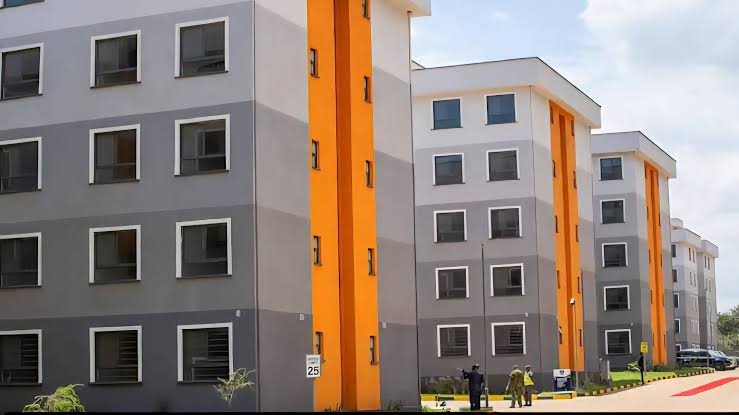

The Boma Yangu platform has issued a formal clarification regarding the refund of contributions made under the Affordable Housing Act, noting that mandatory levy deductions remain non-refundable. According to the state-backed portal, the distinction between voluntary savings and statutory taxes determines whether a Kenyan can withdraw their funds.
Voluntary contributors who deposit money into the housing fund to secure a unit retain the right to withdraw their savings. These individuals can initiate a refund through the portal, provided they have not been allocated a house or signed a purchase agreement.
However, the mandatory 1.5 percent levy deducted from salaried employees and matched by employers is classified differently. The Boma Yangu desk confirms that these specific funds are statutory and are not eligible for refund, even if a person chooses not to participate in the housing scheme.
This clarification comes at a time of heightened public interest following various court petitions challenging the legality of the housing tax. While some rulings initially declared the levy unconstitutional, subsequent legislative amendments by the government aimed to regularize the fund.
President Ruto has consistently defended the levy as a vital pillar for the national development agenda, citing its role in creating jobs and addressing the urban housing deficit. The government maintains that the levy functions as a tax to fund public infrastructure rather than a personal savings account for every contributor.
The portal explains that the housing levy is a mandatory contribution designed to support the construction of affordable units across the country. Consequently, the Kenya Revenue Authority collects these funds as part of the state's revenue mobilization strategy for the construction sector.
For those in the voluntary category, the refund process requires a formal application through the Boma Yangu dashboard. Users must provide their identification details and proof of contributions before the administrator can approve the transaction.
Processing these voluntary refunds typically involves a verification period to ensure the applicant has no outstanding claims on government-subsidized property. Once cleared, the funds are remitted back to the individual's registered bank account or mobile money wallet.
The distinction between these two types of payments remains a point of contention for many Kenyan workers. Many expected that legal shifts might lead to a return of their man-hours and earnings lost to the monthly deductions.
Legal experts have noted that taxes paid under a law that was active at the time of collection are rarely refunded retroactively. This principle appears to be the basis for the current stance held by the Boma Yangu management and the Ministry of Lands and Housing.
As the government ramps up construction on thousands of units in counties like Migori and Kiambu, the focus remains on the utilization of these collected funds. The state argues that the social benefit of the housing projects outweighs individual demands for levy reversals.
The Affordable Housing Act continues to undergo scrutiny, but for now, the administrative position remains firm. Voluntary savers have a path to their money, but the mandatory levy is gone once it leaves the payroll.
Comments (0)
Leave a Comment
No comments yet. Be the first to share your thoughts!