
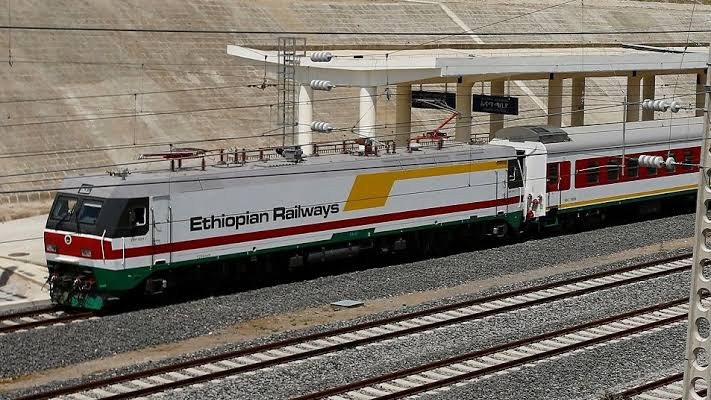

The 756-kilometre Ethiopia-Djibouti railway is recording increased passenger and freight activity as operations continue between Ethiopia and the port of Djibouti. The railway provides a direct rail connection for people and goods moving between the two countries.
More than 1,800 passenger trains have operated on the railway, carrying travelers between major locations along the route. Passenger services have provided another transport option for communities and businesses that depend on the connection between Ethiopia and Djibouti.
Cargo operations have also grown, with about 6,150 freight trains recorded on the railway. These services carry different types of goods between Ethiopia and Djibouti, supporting the movement of cargo toward and from the port facilities.
The railway was constructed at a reported cost of about $4 billion. China provided major financing through the Export-Import Bank of China, commonly known as China Exim Bank,while Ethiopia also contributed funding toward the project.
About $3.4 billion of the reported financing came from China Exim Bank, while Ethiopia raised approximately $878 million. The financing helped cover construction and related works required to establish the long-distance railway connection.
The railway links Addis Ababa with Djibouti and provides landlocked Ethiopia with a rail route to the Red Sea through Djibouti. This connection is particularly important for the movement of imported and exported goods through the port.
Before the railway, cargo moving between Ethiopia and Djibouti relied heavily on road transport. The rail service offers another option for transporting large quantities of goods including containers and other freight across the two countries.
The railway also forms part of wider transport links connecting Ethiopia with international markets. Its connection to Djibouti gives businesses access to a major maritime gateway, while passengers can use the railway for travel between destinations along the route.
With thousands of passenger and cargo trains already operating, the railway continues to play a role in regional transport. Its activity also reflects the demand for reliable connections between Ethiopia's inland markets and Djibouti's port facilities.
As operations continue, passenger and freight numbers will remain important indicators of how effectively the railway is being used. The Ethiopia-Djibouti line remains one of the region's key railway links for moving people and goods across national borders.
Comments (0)
Leave a Comment
No comments yet. Be the first to share your thoughts!