
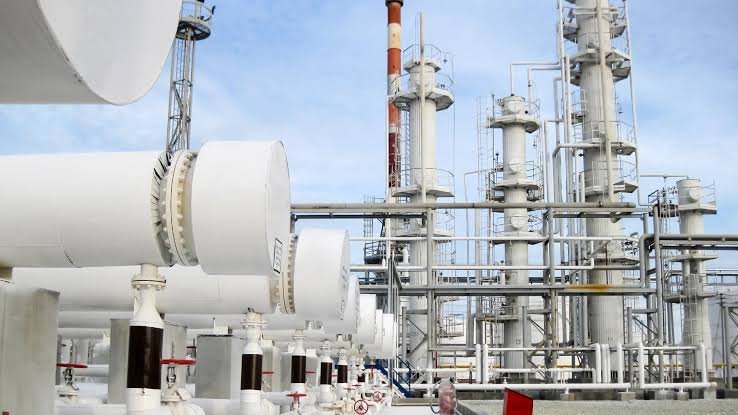

Aliko Dangote, the president of Dangote Group, is moving forward with plans to list his $21 billion refinery project on multiple stock exchanges within Africa. The move signals a shift toward a pan-African ownership structure for the massive industrial complex located in the Lekki Free Zone.
The proposal involves a cross-border Initial Public Offering (IPO) that would allow investors from various regions to participate in the growth of the facility. This approach seeks to bypass the limitations of listing on a single domestic exchange, provided that regulatory frameworks across the targeted nations align.
Market analysts suggest that a multi-exchange listing could provide the necessary liquidity for a project of this scale. The refinery, which is one of the largest single-train facilities in the world, represents a massive portion of Nigeria's industrial output and regional energy strategy.
By opening the floor to investors across the continent, the refinery could secure a broader base of capital. This strategy also aims to foster regional economic integration, a goal often discussed but rarely implemented through private sector equity.
The $21 billion price tag of the refinery makes it one of the most valuable infrastructure assets in Africa. Current reports indicate that the dual or triple listing would include the Nigerian Exchange Group as a primary hub, while other major African hubs remain under consideration.
If the plan proceeds, it would be the first time an industrial project of this magnitude has sought a synchronized IPO across different African borders. The logistical requirements for such a deal involve complex coordination between different capital market authorities and currency regulations.
While the refinery has already begun operations and started delivering fuel products, the transition to a public company would require increased transparency and regular financial reporting. This move is expected to attract institutional investors who have previously been cautious about concentrated sovereign risk.
The refinery has the capacity to process 650,000 barrels of crude oil per day. Its success is vital for reducing the reliance on imported petroleum products in West Africa, where fuel security remains a persistent challenge for many governments.
For Kenyan and East African investors, the development is being watched as a bellwether for similar large-scale infrastructure listings. The ability of a Nigerian entity to successfully float shares in other jurisdictions could set a precedent for future energy projects.
Recent updates from the Dangote Group suggest that the timeline for the IPO remains subject to market conditions. However, the intent to go public has been a long-standing part of the corporate roadmap to de-risk the investment.
The refinery has faced several construction hurdles and supply chain delays over the past decade. Despite these challenges, the facility is now a functional reality, providing a tangible asset for potential shareholders to evaluate.
The pan-African nature of the proposed listing reflects Aliko Dangote's broader business philosophy of continental expansion. His cement business already operates in numerous African countries, though the refinery represents a much larger individual capital commitment.
Coordination with stock exchanges in Johannesburg, Nairobi, or Casablanca could provide the depth of market required for a $21 billion valuation. Such a move would likely require specialized brokerage services to handle the cross-border transactions and dividend payments.
As the energy landscape in Africa evolves, the Dangote Refinery remains a focal point for industrial policy. The shift toward public ownership marks the next phase in the life cycle of this significant infrastructure development.
Comments (0)
Leave a Comment
No comments yet. Be the first to share your thoughts!