

A version of this article appeared on Nation.Africa
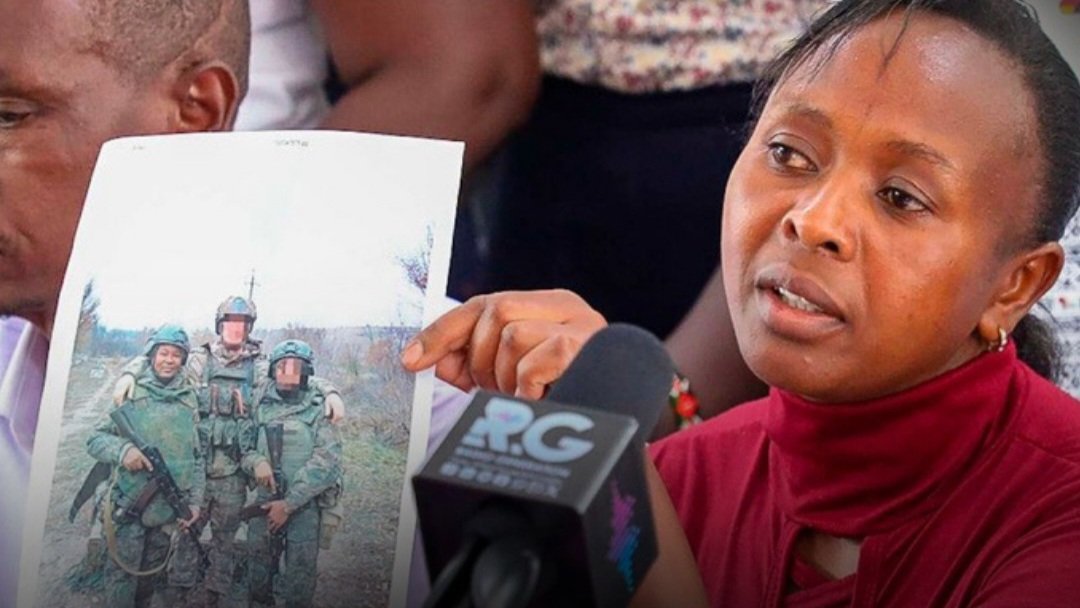
Scores of Kenyan families are demanding answers from the state following the disappearance of their relatives in Russia, where they are believed to have been sent to the battlefields of Ukraine.
The victims originally left Kenya after securing what they believed were civilian employment contracts as truck drivers and plant operators, only to be processed into the Russian military upon arrival.
The Ministry of Foreign Affairs (MFA) recently confirmed that the number of documented Kenyan citizens known to have entered the conflict zone has risen, with official state records now tracking at least 291 nationals caught up in the war.
Addressing a Senate committee session in Nairobi, Foreign Affairs Cabinet Secretary Musalia Mudavadi stated that 19 Kenyans are confirmed to have died on the frontline, while another 32 remain officially missing in action.
The local administration indicates that two Kenyan citizens are currently being held in Ukraine as prisoners of war (POW), further complicating repatriation efforts.
Local intelligence bodies paint an even starker picture than the official diplomatic figures.
A report compiled by the National Intelligence Service (NIS) and the Directorate of Criminal Investigations (DCI) suggests that more than 1,000 Kenyans may have been funneled into the conflict since the fighting escalated.
The cross-border pipeline relies on criminal syndicates operating unaccredited travel and recruitment firms within the country.
These rogue agencies frequently advertise vacancies under the guise of legitimate foreign employment programmes, such as the popular local phrasing "Kazi Majuu", which translates to work abroad.
Job seekers were promised monthly salaries of up to 2,700 US dollars alongside sign-on bonuses, which served as a major draw for unemployed youth and individuals with background experience in technical fields.
Once the recruits landed in Moscow, their civilian passports and identification papers were confiscated by handlers.
Faced with documentation in Cyrillic script and direct coercion, many were forced to sign military service agreements before undergoing brief, three-week weapons courses at rural training bases.
From these facilities, the men were sent directly into active combat zones in eastern Ukraine, where survival rates remain low.
The government has since initiated a domestic crackdown, closing down over 600 unlicensed recruitment agencies across the country and tightening departure checks at Jomo Kenyatta International Airport (JKIA).
Trafficking networks have responded by shifting their transit routes, moving recruits by road into neighbouring East African countries or routing them through South Africa and the United Arab Emirates (UAE) on tourist visas to evade local border police.
Following a diplomatic visit to Moscow by Kenyan officials to protest the forced enlistments, both nations agreed to establish stricter monitoring frameworks to halt the further induction of Kenyan civilians into foreign military units.
For the families waiting in rural hamlets and Nairobi estates, the diplomatic progress offers little immediate comfort, as they continue to log daily appeals with the state to locate missing sons who went abroad to drive trucks but ended up in a trench.