
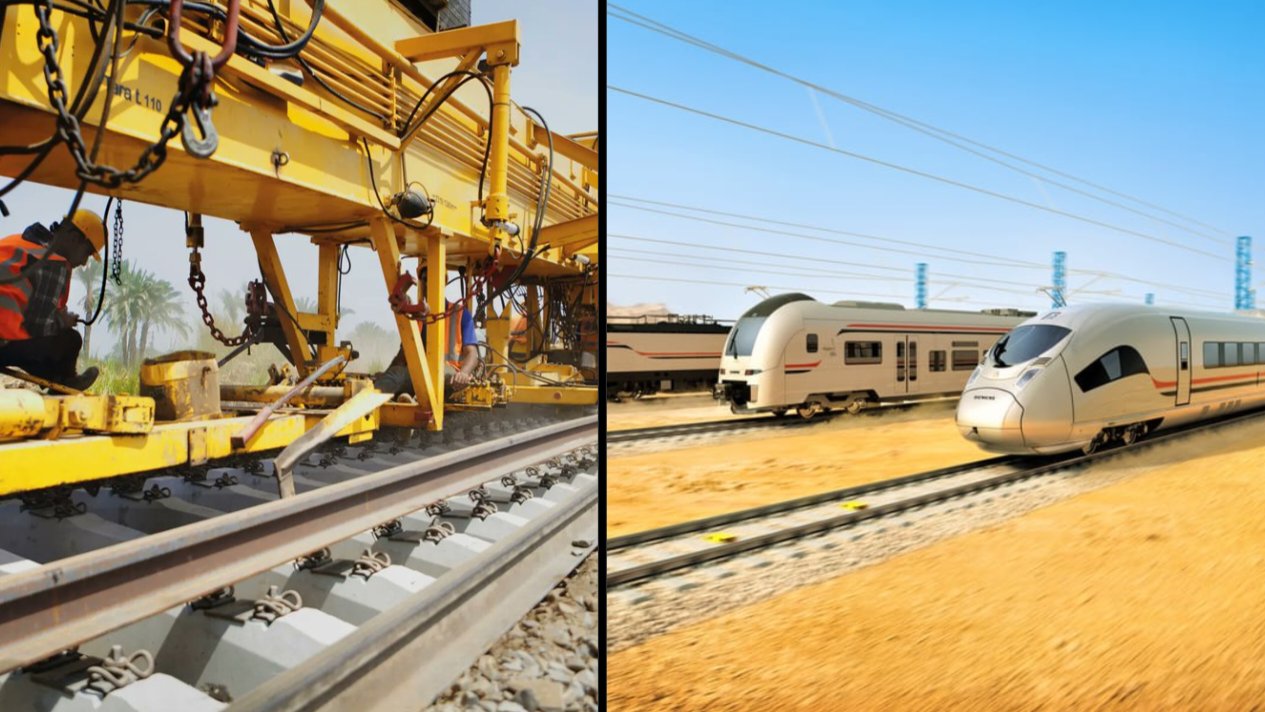

Egypt is moving forward with a significant infrastructure investment, allocating $23 billion toward the construction of a comprehensive high-speed rail network. This three-line bullet train system encompasses 2,000 kilometers of track, intended to modernize the nation's transport landscape.
The project seeks to establish connectivity between more than 60 cities across the country. Planners anticipate that the finished railway will increase both freight and passenger capacity by more than 40 percent.
This initiative represents a substantial effort to upgrade national logistics. By integrating high-speed transport into the existing framework, officials intend to streamline movement across vast distances. The scale of this operation reflects broader trends in regional infrastructure development.
Construction crews are actively engaged in the process, utilizing specialized equipment to lay track and infrastructure foundations. The deployment of heavy-duty machinery is visible across various sites, where engineers coordinate the precise placement of sleepers and rails.

The network design emphasizes a multi-line approach to ensure maximum coverage. This strategic layout is designed to facilitate both rapid transit for travelers and efficient cargo movement for commercial entities.
Technical experts are overseeing the implementation of high-speed standards required for such a sophisticated system. Maintaining safety protocols remains a primary focus as the work progresses across diverse terrain.
Transportation specialists observe that such projects require meticulous long-term planning and consistent investment. The involvement of various stakeholders underlines the complexity of managing a multi-phase construction timeline.
The project stands as a notable example of current efforts to prioritize high-capacity transport infrastructure. As the work continues, the focus remains on meeting engineering benchmarks that ensure operational efficiency.
The integration of 60 cities into a single high-speed web is expected to alter traditional travel patterns. This shift in logistics could have implications for how goods and people move throughout the region.
As the physical footprint of the railway expands, authorities continue to monitor progress against project milestones. The commitment of substantial capital to this venture highlights the priority placed on upgrading internal mobility.
Observers note that once operational, the railway will represent a major shift in national transit capabilities. The capacity increase of more than 40 percent is a core metric for measuring the success of this infrastructure endeavor.
Completion of the three-line system will mark a distinct phase in Egypt’s efforts to improve its transport network. The project remains a focal point for engineers and policymakers tasked with modernizing the country’s logistical backbone.
Further updates are expected as the construction teams hit new operational targets. The continued development of this 2,000-kilometer route underscores the scale and ambition of Egypt’s current infrastructure drive.
Comments (0)
Leave a Comment
No comments yet. Be the first to share your thoughts!