
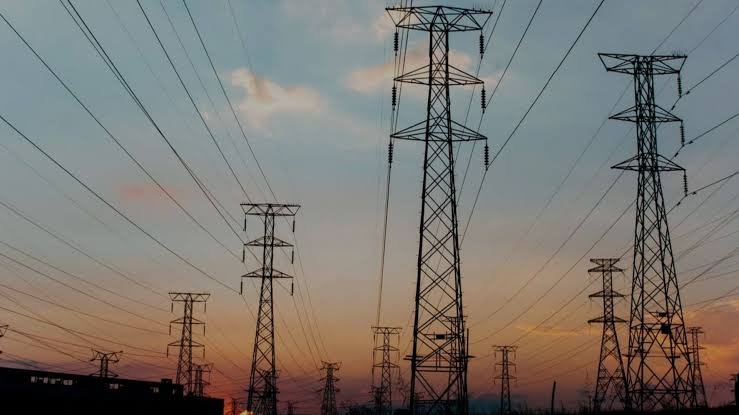

Members of Parliament have raised alarm over a steady migration of skilled technical personnel, which is actively undermining the operation of the country's multi-billion-shilling electricity transmission corridor with Ethiopia. The National Assembly Departmental Committee on Energy and Petroleum revealed the operational strains following recent site inspections at the Suswa electricity hub in Narok County and geothermal facilities in Olkaria, Nakuru County.
At the center of the legislative concern is the Kenya-Ethiopia High Voltage Direct Current (HVDC) interconnector, a strategic 1,065-kilometer transmission corridor designed to transmit up to 2,000 megawatts of electricity between the two nations. Lawmakers noted that the specialized system is losing the essential human capital required to maintain grid stability and manage complex cross-border power flows.
During the parliamentary tour, Chepalungu Member of Parliament (MP) Victor Koech highlighted the specific threat that the brain drain poses to institutional continuity. Out of 18 specialized engineers who underwent rigorous training to operate the advanced infrastructure, seven individuals resigned to take up employment opportunities in Europe within a three-year period.
The continuous loss of these professionals erodes the capacity of the grid operator to respond swiftly to system faults and perform technical maintenance. The complex nature of the 500-kilovolt transmission system requires extensive experience, yet the state is losing its heavy investment in training to wealthier nations offering better compensation.
Engineers are reportedly attracted abroad by higher remuneration packages, superior working conditions, and broader career development tracks. This leaves local facilities understaffed, weakening the long-term institutional memory necessary to run an increasingly interconnected regional power network safely.
The operational strain arrives while the cross-border line is functioning significantly below its maximum transmission potential. Kenya currently imports roughly 200 megawatts of electricity during peak hours and approximately 65 megawatts during off-peak periods from Ethiopia, numbers that remain far beneath the full capacity of the corridor.
The Suswa complex remains the most critical junction of the national power infrastructure, hosting the specialized HVDC converter station alongside conventional 400-kilovolt and 220-kilovolt substations. Failure to retain key engineering talent threatens to turn this vital regional integration asset into an unstable system plagued by localized technical deficiencies.
Comments (0)
Leave a Comment
No comments yet. Be the first to share your thoughts!