
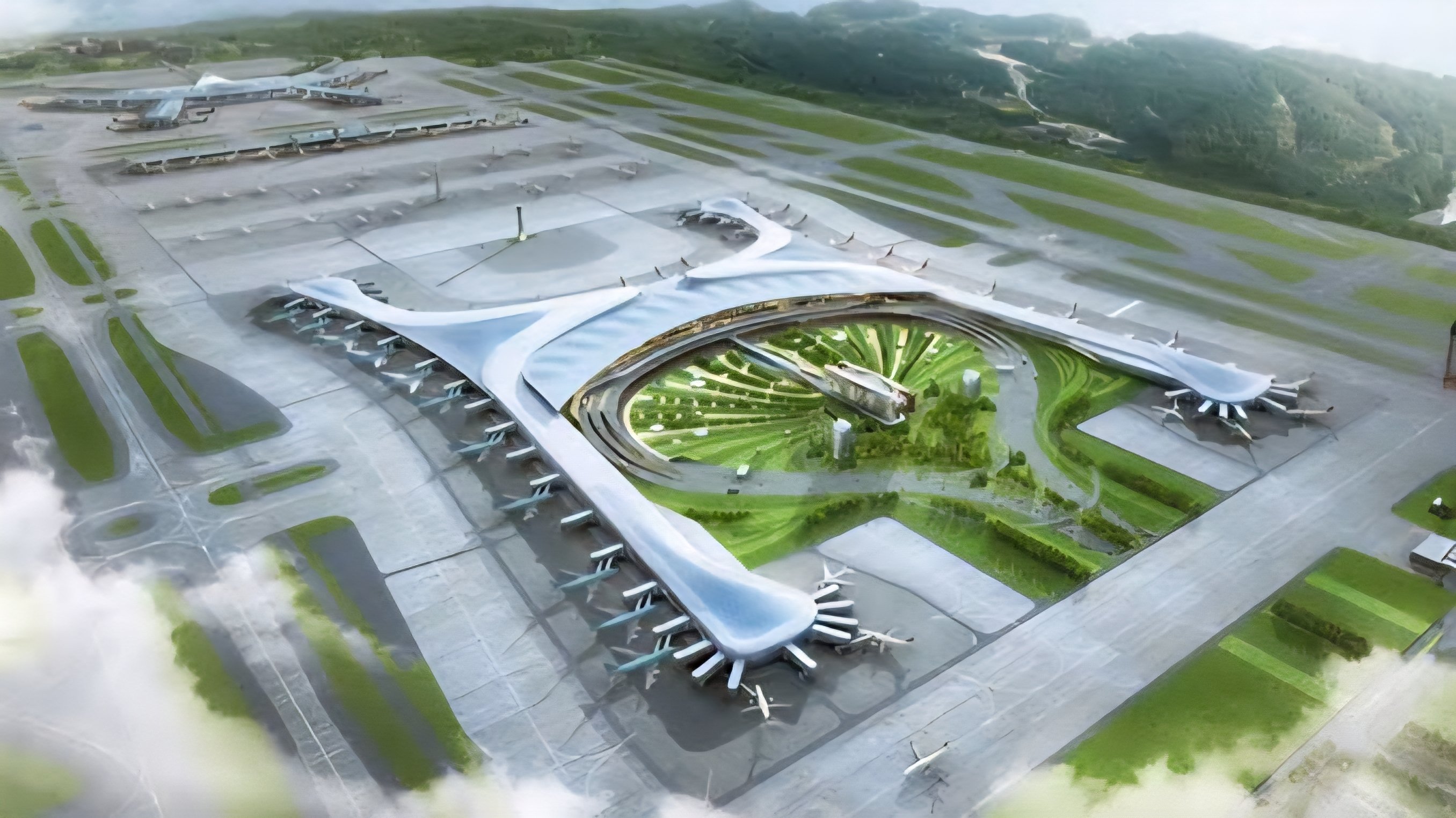

Construction teams have officially broken ground on the Bishoftu International Airport (BIA), a project intended to create the largest aviation hub on the African continent. Located roughly 40 kilometres southwest of Addis Ababa, the facility is designed to address the increasing capacity constraints at the existing Bole International Airport.
The project carries an estimated price tag of $12.5 billion, which is roughly £9.1 billion. This investment covers multiple phases of development, with the first stage scheduled for completion by 2030. Once the initial phase is operational, the airport will have the capacity to process 60 million passengers every year.
Long-term plans for the site are even more ambitious. Project bosses confirm that the airport will eventually scale up to accommodate 110 million passengers annually. This would place the Ethiopian hub on a similar scale to major international transit points like London Heathrow or Dubai International.
State-owned carrier Ethiopian Airlines is the driving force behind the development. The airline will fund 30% of the project from its own resources, while the remaining capital is being sourced through various international lenders. The African Development Bank has already committed a $500 million loan to the project.
The design, led by Zaha Hadid Architects and Dar Al-Handasah, features a central spine terminal layout intended to reduce walking distances for transiting travelers. Data suggests that approximately 80% of the passengers using the facility will be transiting between international flights without leaving the airport.
Bishoftu was selected partly due to its elevation, which sits nearly 400 metres lower than the current primary airport in Addis Ababa. This lower altitude is a technical advantage for pilots, as it improves aircraft performance and fuel efficiency during takeoff, allowing for heavier loads on long-haul routes.
The master plan includes four runways and parking space for up to 270 aircraft. Beyond the runways, the site will host an "Airport City" featuring a 350-room hotel, cargo logistics centres, and extensive retail and dining facilities. On-site energy generation will be supported by photovoltaic arrays installed across the airport grounds.
Prime Minister Abiy Ahmed attended the groundbreaking ceremony in January 2026, where he highlighted the project's role in the country's broader economic reform program. The government has also confirmed plans for a high-speed rail link connecting the new terminal to the capital.
Environmental considerations have been integrated into the architectural plans. The terminal is designed to achieve LEED Gold certification by utilizing natural ventilation and solar shading. Landscaping will feature native, drought-resistant plants, and stormwater will be managed through a system of on-site wetlands and bioswales.
According to Ethiopian Airlines Group CEO Mesfin Tasew, the facility is a necessary step to maintain the airline's growth strategy. The group plans to double its fleet size and increase its international destinations to over 200 in the coming years.
The project also involves a significant resettlement and livelihood restoration program for local communities. Officials stated that these social mitigation measures were completed prior to the start of major earthworks at the construction site.