
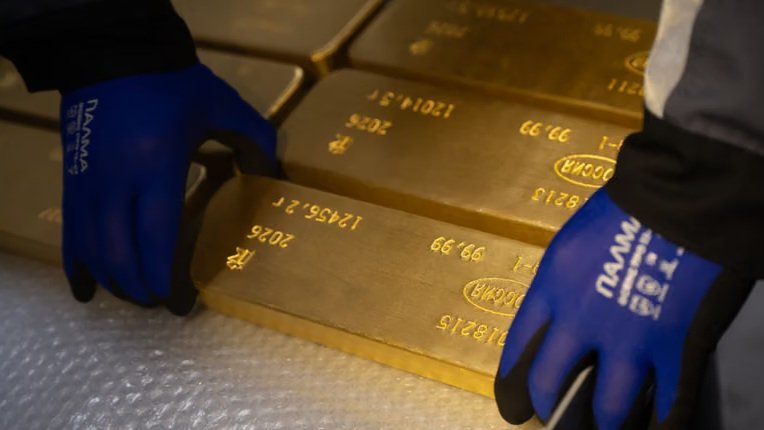

Ghana expanded its position as the top gold producer across Africa in 2025. Official figures show total production reached six million ounces, pushing total national export revenues from the precious metal to approximately 20.2 billion United States Dollar (USD).
The surge in output further extended the margin between Ghana and rival West Africa (WA) producers, including Mali and Burkina Faso. High global market prices provided strong support for overall financial valuation throughout the operational year.
Gold mining remains a primary driver of national economic stability, supporting foreign exchange reserves and heavy industrial investments. Both large-scale industrial operators and registered small-scale producers contributed to total volume gains across active extraction zones nationwide.
Mali and Burkina Faso continued their respective mining operations, but regional security concerns and policy shifts affected sector growth. Consequently, Ghana maintained steady operational activity across major commercial concession sites throughout the region.
The Ministry of Lands and Natural Resources (MLNR) in Accra has maintained targeted regulatory reforms to streamline production channels. State programs aim to reduce unauthorized mining, while supporting formalized operations to secure national tax revenue.
International commodity trading hubs recorded elevated gold prices during the calendar year, which boosted export receipts significantly. Higher market prices per ounce generated increased fiscal returns for public treasuries across exporting African nations.
Industrial mining companies expanded processing infrastructure at several key underground and open-pit mining complexes. Sustained capital expenditure helped maintain daily ore throughput, which enabled processing facilities to meet set annual targets efficiently.
Recent civil engineering and road infrastructure upgrades near key mining centers improved transport logistics to heavy processing plants. Reliable transit corridors helped operational management control logistics costs, while maintaining continuous site operations.
The Bank of Ghana (BOG) has continued implementing domestic gold purchasing programs to reinforce national foreign exchange reserves. Buying locally mined gold using local currency has strengthened central bank liquidity, while offering predictable commercial outlets for licensed domestic producers.
Artisanal and small-scale miners generated a notable share of overall production across rural mineral belts. Formalization policies helped integrate informal miners into legal supply networks, which increased officially documented output figures reported in national statistics.
Reaching 20.2 billion USD in total gold export earnings highlights the industry's dominance in regional mineral trades. International investors continue watching West African resource developments, as established Ghanaian deposits attract ongoing commercial interest.
Long-term production capacity will rely on ongoing mineral exploration and consistent legal frameworks across all active districts. Industry experts emphasize that continued geological surveying is vital for discovering new commercial reserves in coming decades.
The growing output variance among West African nations reflects distinct operational environments and regulatory conditions across borders. Predictable governance in Ghana provided continuous operating conditions, which supported sustained mineral extraction through the entire period.
Resource extraction frameworks continue guiding project development as heavy earthmoving equipment operates across primary concession areas. Enforcing environmental compliance remains a critical focus for regulatory agencies and surrounding host communities.
Commercial extraction projects across regional mining corridors continue generating direct employment opportunities for engineering and technical professionals. Related infrastructure investments around mining facilities also support local economic activities in host settlements.
Comments (0)
Leave a Comment
No comments yet. Be the first to share your thoughts!