

Botswana operates with a significant gap between its installed electricity generation capacity and its actual operating capacity.
Data shared regarding the national energy landscape highlights that generation performance remains constrained, requiring external supply adjustments during periods of maximum demand across the national grid system.
HANDOUT: Eng. John Mativo/X
The installed capacity for power generation in the country stands at approximately 927 megawatts (MW). However, operational output routinely hovers around 459 MW. This creates a functional deficit during normal operations, particularly when compared against electricity consumption patterns observed nationwide.
National peak electricity demand in Botswana reaches approximately 610 MW. Because operating capacity remains around 459 MW, local generation falls short of meeting peak power requirements.
The shortfall requires the Southern African nation to rely on peak electricity imports to balance grid frequency and avoid widespread supply disruptions.
Primary factors behind the operational deficit involve the poor availability of the Morupule B coal power plant. The facility serves as a primary source of base generation, but low reliability at the site continues to restrict actual power output across the transmission network.
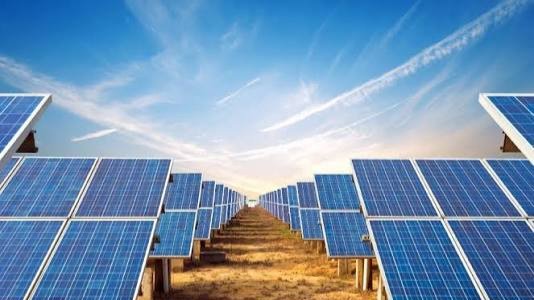
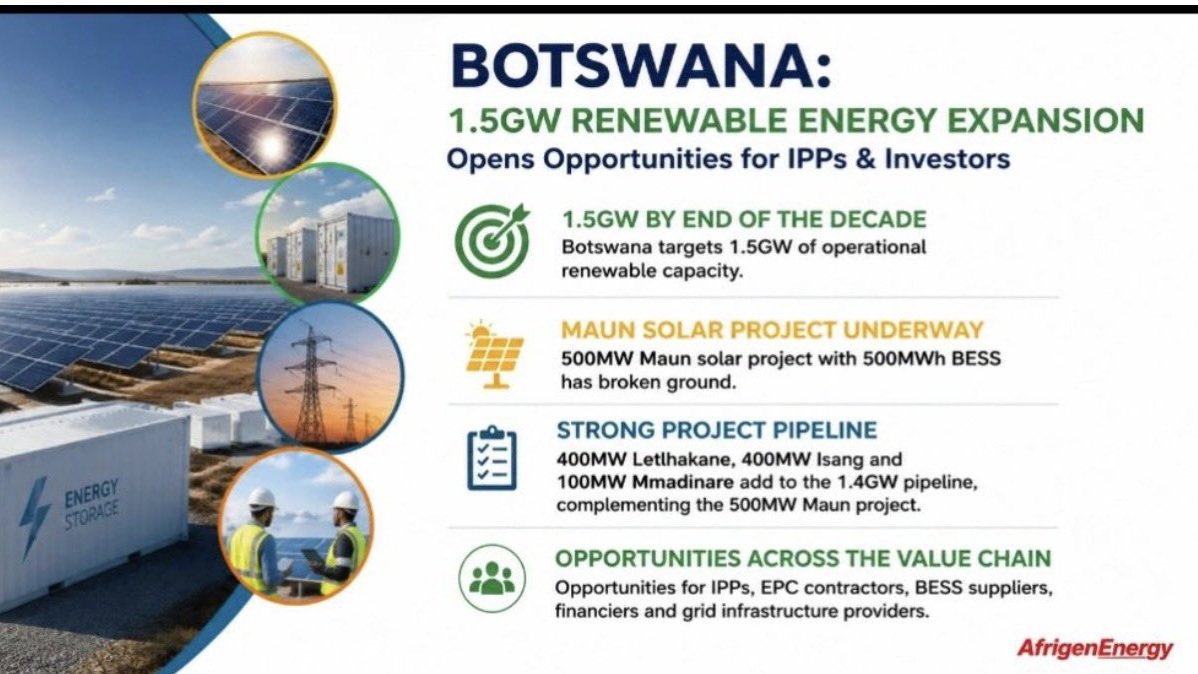
To address long-term energy security, Botswana is targeting an expansion in renewable energy resources. Current national goals outline the development of 1.5 gigawatts (GW) of operational renewable capacity by the end of the decade. This initiative aims to diversify energy infrastructure and improve grid resilience.
Development efforts include the 500 MW Maun solar project, which has already broken ground and includes a 500 megawatt-hour (MWh) Battery Energy Storage System (BESS).
Additional planned solar installations include a 400 MW project in Letlhakane, a 400 MW project in Isang, and a 100 MW facility in Mmadinare. These installations form part of a broader pipeline of power projects designed to complement initial solar capacity developments.
The power sector pipeline provides opportunities across the energy value chain for Independent Power Producers (IPPs), Engineering, Procurement, and Construction (EPC) contractors, energy storage suppliers, financiers, and grid infrastructure providers. Expanding generation capacity remains central to stabilizing the power grid, while reducing reliance on regional electricity imports.
Addressing operational constraints at existing coal facilities alongside the rollout of solar photovoltaic infrastructure forms a key strategy for the energy sector. Until planned renewable capacity comes online and stabilizes, peak power demand will continue to test the limits of domestic operating supply.
Comments (0)
Leave a Comment
No comments yet. Be the first to share your thoughts!