

Mauritius and Kenya have aligned with four other African nations to push back against ocean bed extractions, demanding a precautionary pause or total moratorium on deep-sea mineral harvesting across international waters.
The expansion brings the total count of African countries supporting restrictions on seabed extraction to six, reflecting rising continental resistance to oceanic resource exploitation.
This diplomatic positioning emerges while global economic powers including China, India, and the United States intensify their competition for seabed resources. The contested deposits contain critical minerals vital for global technology supply chains, clean energy equipment, and industrial infrastructure projects.
Government representatives from the participating nations express growing alarm regarding potential environmental disruptions, unverified ecological risks, and long-term destruction of marine biodiversity.
Marine biologists and conservation groups caution that heavy seabed machinery risks causing permanent harm to fragile aquatic ecosystems, disturbing underwater fauna, and releasing toxic plume deposits into ocean currents.
International regulatory bodies like the International Seabed Authority (ISA) remain under mounting pressure to establish comprehensive environmental standards before issuing commercial seabed mining licences.
Several member nations argue that current scientific knowledge regarding deep-sea ecosystems remains far too limited to safely permit industrial extraction activities.
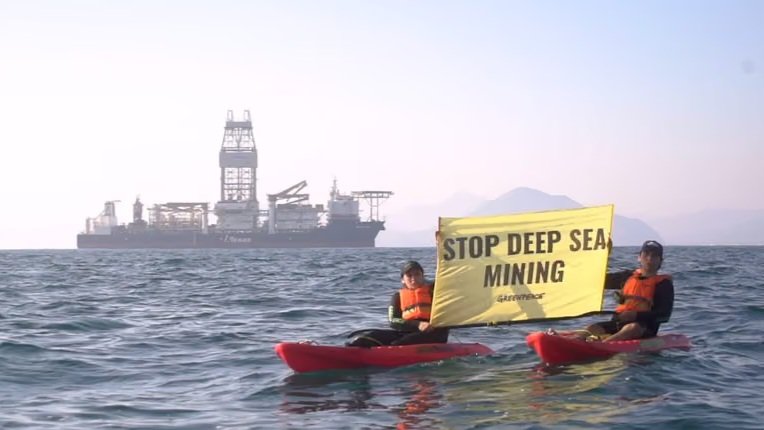
Environmental organisations, including Greenpeace, continue active campaigns on ocean waters using kayaks and floating banners near offshore industrial exploration vessels.
These activists demand an immediate halt to all exploratory operations until global regulatory standards and scientific impact assessments can fully guarantee marine preservation.
The debate places environmental protection directly against the escalating global demand for critical raw materials needed in high-tech construction, battery production, and power infrastructure.
African nations aligning behind the moratorium seek to prevent speculative commercial exploitation of seabed minerals before binding global protections take effect.
As global powers race to secure strategic mineral reserves, the expanding African coalition signal that ocean conservation concerns must take precedence over rushed seabed resource extraction projects across international territory.
Comments (0)
Leave a Comment
No comments yet. Be the first to share your thoughts!