
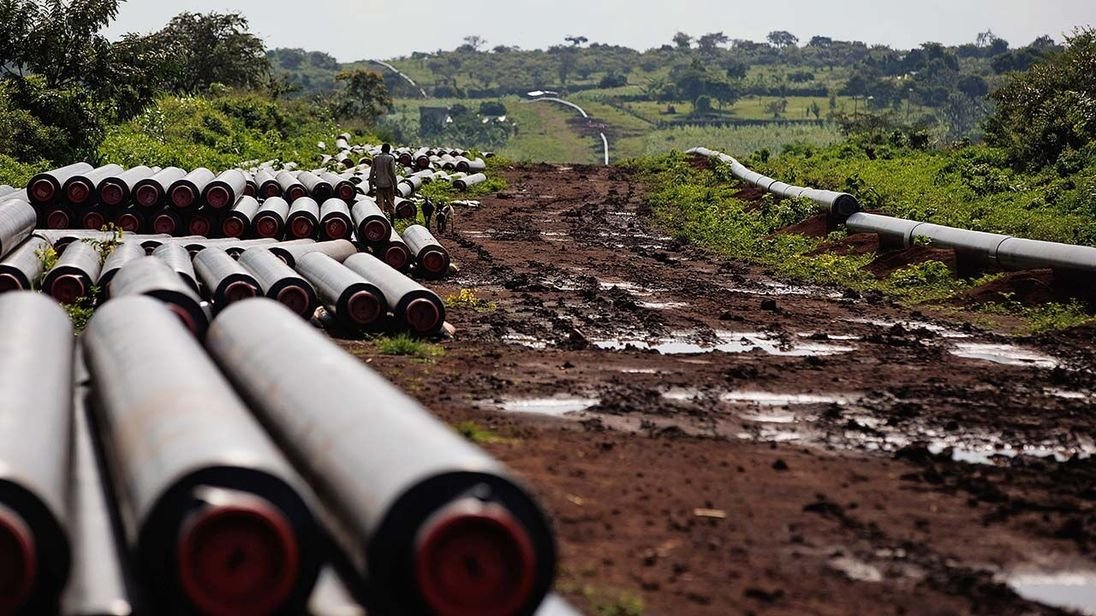

Kenya, South Sudan, and Ethiopia are expected to review their commitments regarding the regional Lamu Port-South Sudan-Ethiopia Transport (LAPSSET) corridor project. The planned review comes as the Dangote refinery project nears groundbreaking, introducing new dynamics to regional energy infrastructure plans.
The multi-billion-dollar infrastructure undertaking was originally structured to be funded directly by the three partner countries. The project carries an estimated total construction value of 25 billion dollars, designed to integrate transport and crude oil export networks across East Africa.
With the imminent developments surrounding the refinery, the existing funding framework for the regional corridor could undergo significant modifications. The upcoming inter-governmental discussions will focus on how capital commitments are structured among participating states moving forward.
South Sudan readiness is slated to feature heavily on the meeting agenda, driven by the nation's vast crude oil potential. The landlocked country currently holds proven reserves exceeding 3.5 billion barrels of oil, making its export infrastructure crucial to regional transport plans.
The LAPSSET development is designed as an integrated transport and logistics corridor connecting Kenya, South Sudan, and Ethiopia through deep-water ports, oil pipelines, road networks, and railway lines. Initial agreements relied on direct equity contributions and joint financing models negotiated between the member governments.
Regional infrastructure projects across East Africa have increasingly sought alternative financing arrangements to address shifting fiscal conditions and private sector involvement. Midstream energy assets, including crude pipelines and processing facilities, often require adjusted financial models to accommodate commercial partners alongside state institutions.
The upcoming discussions among representatives from Kenya, South Sudan, and Ethiopia aim to align national priorities with project delivery schedules. Member nations are assessing how recent developments in refining capacity impact existing agreements governing pipeline alignment, port throughput expectations, and long-term capital allocation strategies.
Government officials will continue evaluations to establish an updated framework for project implementation, ensuring that financial contributions reflect evolving regional market conditions. Further announcements regarding specific adjustments to the LAPSSET funding agreement are expected following scheduled regional summits.
Comments (0)
Leave a Comment
No comments yet. Be the first to share your thoughts!