
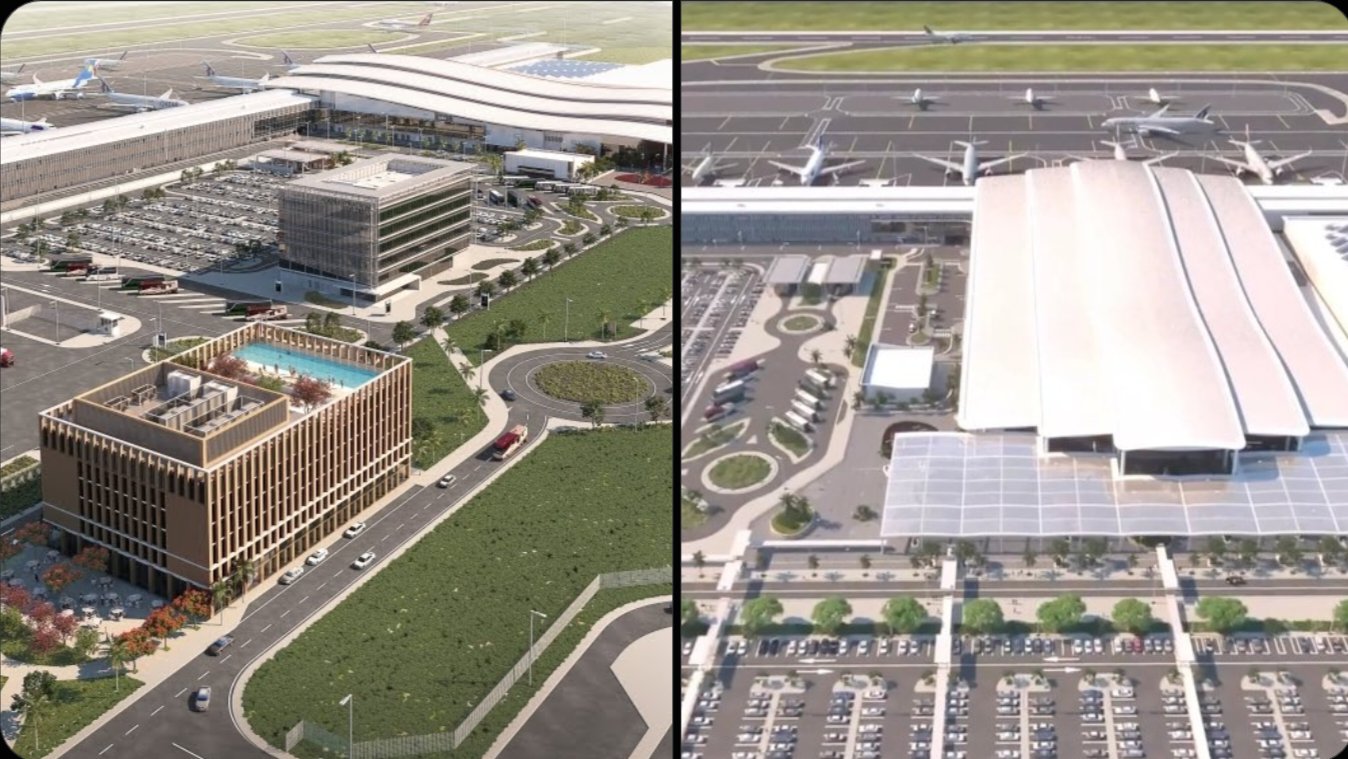

The Rwandan government has revised the operational schedule for Bugesera International Airport (BIA), moving the expected completion of Phase 1 to 2028. Officials also confirmed that Phase 2 is targeted for completion in 2032.
Initial construction on the greenfield aviation complex commenced in 2016 under an earlier design framework. Early projections had targeted an opening date of 2018 at an estimated initial cost of $418 million.
By 2026, the overall financial scope for the project expanded to $2 billion. The sharp escalation in capital outlay reflects multiple scope adjustments, engineering redesigns, and expanded capacity targets over the past decade.
The project underwent a major structural shift, when Qatar Airways acquired a 60 percent equity stake in the facility. That partnership triggered a comprehensive revision of the original master plan to accommodate larger long-haul passenger flows.
Phase 1 development focuses on critical airside and landside assets required for commercial launch. Works include a 3,750-metre primary runway, main passenger terminal structures, air traffic management systems, and specialized cargo handling facilities.
Design updates were implemented to ensure the runway could comfortably support wide-body aircraft. Structural foundations and perimeter utility connections across the 2,500-hectare site required extensive earthworks before vertical terminal construction could proceed safely.
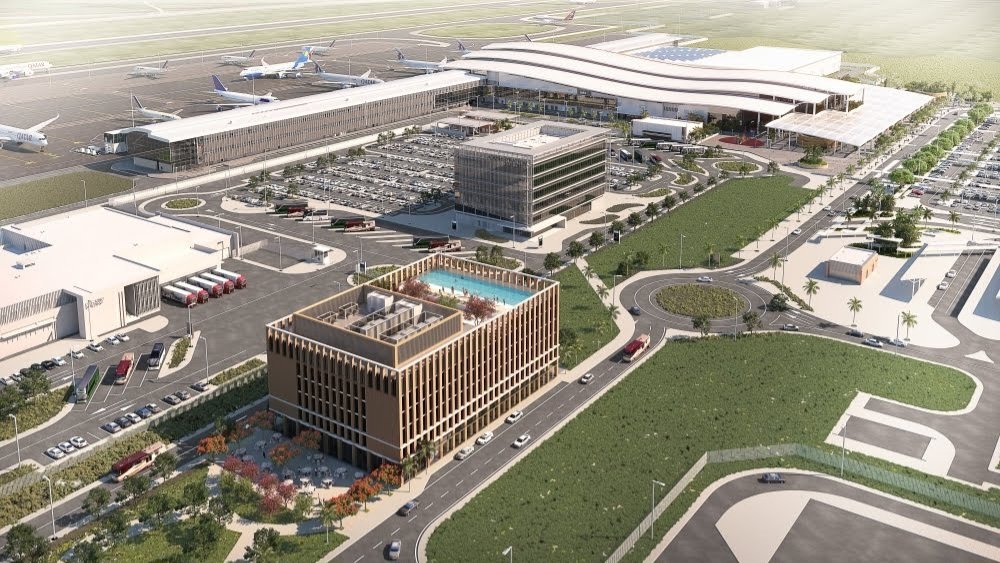
Photo Courtesy: Aketch Andrew/ X
The expanded initial phase aims to handle between seven million and eight million passengers annually upon launch. Transport planners designed the facility to alleviate operational pressures at existing aviation gateways, which face physical expansion constraints.
Phase 2 construction will build out secondary terminal capacity and ancillary infrastructure. Upon final completion in 2032, the total handling capability of the airport complex is expected to reach 14 million passengers per year.
Surrounding support works are being executed concurrently with the main terminal facilities. A 14-kilometre dedicated expressway link is currently being established, which connects the new air hub directly to the capital city road network.
Power supply provisions have also been integrated into national grid distribution planning. Energy authorities earmarked output allocations from regional hydroelectric facilities, which will supply dedicated electrical capacity to sustain terminal operations.
Civil engineering teams faced logistical recalibrations during mid-stage execution, when scope expansions altered procurement demands. Supply chain logistics for specialized terminal components and airside systems necessitated timeline adjustments.
Contractors completed primary drainage networks, internal service roads, and runway sub-base structures before shifting emphasis to structural steel framing. Work continues on the main terminal enclosure, where envelope cladding and interior mechanical installations will follow.
The revised 2028 schedule allows construction consortiums to complete remaining civil engineering contracts without compromising technical specifications. Operational testing and system integration phases will occur prior to welcoming commercial flights.
Financial commitments from project partners remain structured around a long-term regional connectivity strategy. Development teams are focusing current site activity on completing vertical structures, as sub-surface infrastructure works near final sign-off.
Specialized air cargo terminals are also included in the early development phase. Facilities are being constructed to manage annual freight volumes exceeding 150,000 tonnes, which will support regional export supply chains.
The final integration of navigation aids, safety systems, and airfield lighting will complete the first construction milestone. Project managers maintain that phased delivery ensures long-term operational viability while aligning infrastructure capacity with growth targets.
Comments (0)
Leave a Comment
No comments yet. Be the first to share your thoughts!