
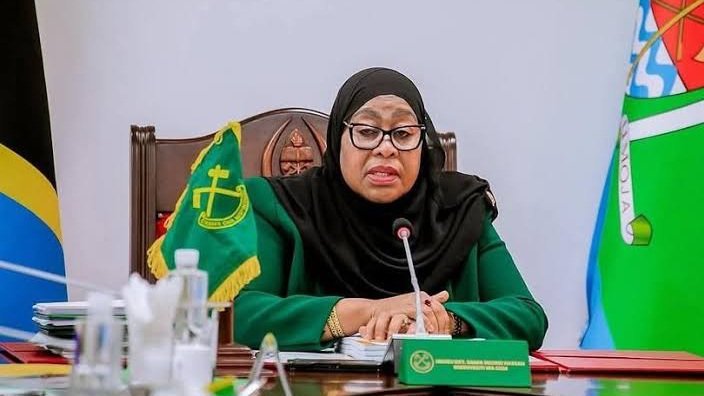

President Samia Suluhu Hassan has issued a directive to all government ministries and institutions to implement immediate cuts in fuel consumption. The move is a response to the continued volatility in global oil prices, which has placed significant pressure on the national budget.
The announcement was made as part of a broader strategy to manage public expenditure during a period of international economic instability. State officials are now required to scale back on non-essential travel and optimize the use of government vehicle fleets.
Tanzania, like many of its neighbors in the East African region, has felt the impact of rising crude oil costs triggered by geopolitical tensions and supply chain disruptions. These factors have led to a steady increase in pump prices across the country over the last few months.
The President noted that the government must lead by example in exercising fiscal restraint. By reducing the fuel bill, the administration aims to reallocate resources toward essential services and infrastructure projects that are currently underway.
Government departments have been tasked with submitting reports on their energy use to ensure compliance with the new austerity measures. Failure to adhere to these guidelines could result in further budgetary restrictions for the affected agencies.
This policy shift comes at a time when the Tanzanian energy sector is looking for long-term solutions to fuel dependency. While the current focus is on immediate reduction, there are ongoing discussions regarding the diversification of energy sources for public transport and state operations.
The directive also serves as a signal to the private sector and the general public about the severity of the global energy situation. Many businesses in Dar es Salaam and Arusha are already reporting increased operational costs due to the fuel crisis.
Economists in the region suggest that these measures, while necessary, will require strict oversight to be effective. The Tanzanian government has often relied on a large fleet of SUVs for regional administration, a practice that is now under scrutiny.
The impact of these cuts is expected to be felt across all levels of the civil service. Administrative officers are currently reviewing travel schedules and logistical plans to identify where the most significant savings can be made without compromising service delivery.
As global shocks continue to dictate local economic conditions, the Tanzanian authorities remain cautious. The President’s office has indicated that more measures could be introduced if the international market does not stabilize in the coming weeks.