
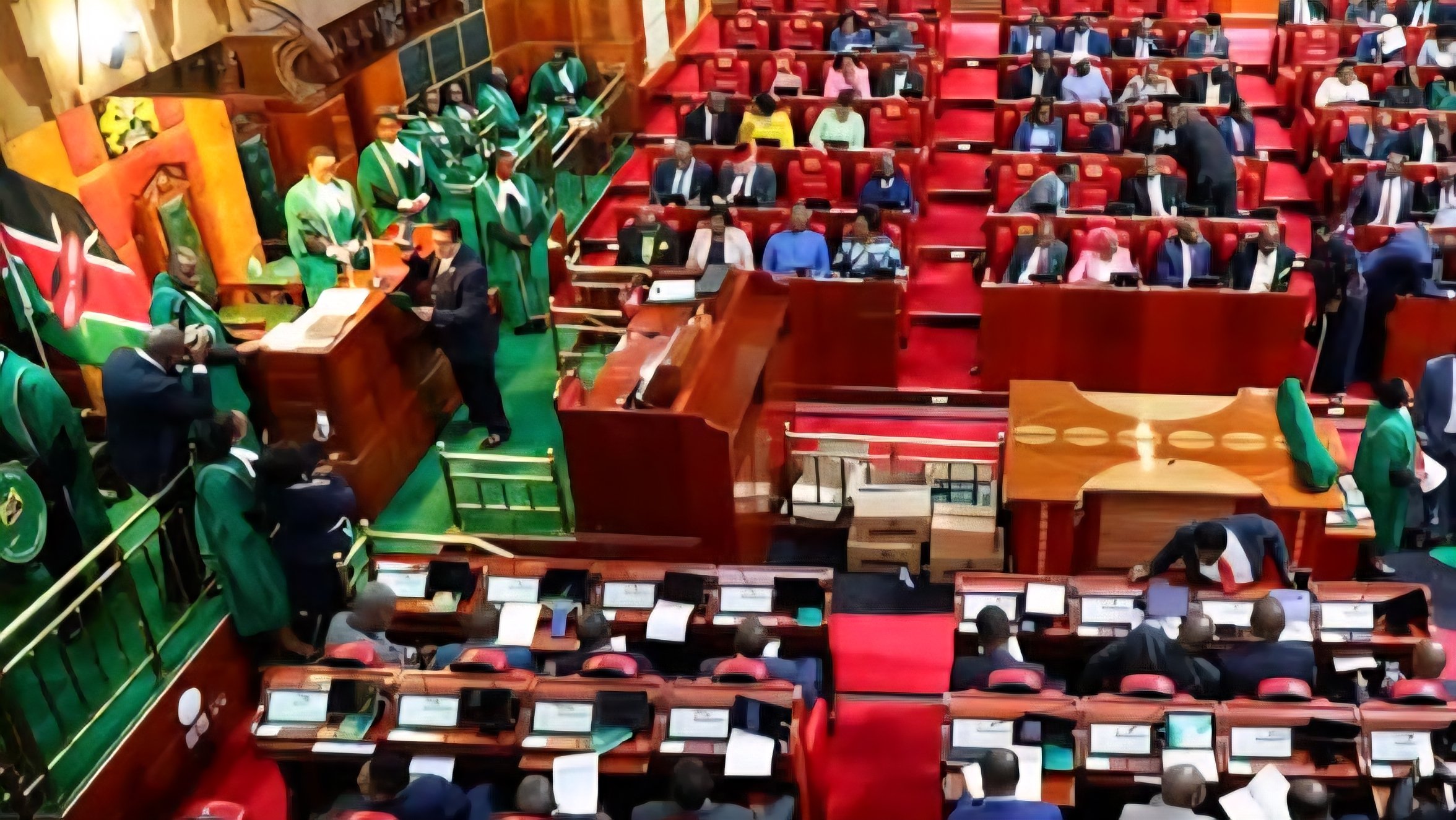

Members of the National Assembly have moved to address the funding gap for schools located in Kenya’s informal settlements, arguing that the current education framework unfairly excludes the poor. The debate centers on the Basic Education (Amendment) Bill, 2025, which proposes a formal recognition of non-formal learning centers.
Sponsored by Mathare MP Anthony Oluoch, the Bill seeks to amend the Basic Education Act of 2013. The primary objective is to incorporate Alternative Provision for Basic Education and Training (APBET) institutions into the formal system. This shift would allow these schools to access government resources for infrastructure and learning materials.
Mr. Oluoch argued during the Second Reading that the existing system discriminates against children in marginalized areas. He noted that the Bill aligns with constitutional guarantees regarding human dignity and the right to education. Many schools in slums currently operate without the state support enjoyed by public institutions.
Data shared during the House debate highlighted a severe shortage of public facilities in densely populated areas. In Kibra, for instance, there are approximately 300 APBET schools compared to only 11 public primary schools. This disparity leaves thousands of students reliant on community-run centers that lack adequate funding.
The proposed law introduces flexibility in registration requirements for these institutions. It also mandates that county education boards maintain a database of such schools. By mapping these facilities, the government can better coordinate the distribution of resources and monitor the quality of education provided.
Lawmakers supporting the motion stated that recognizing these schools is a necessary step for equity. Ruaraka MP Peter Orero and Millie Odhiambo both emphasized that state support must trickle down to the most vulnerable learners. Without this legislative anchor, community schools remain outside the official definition of basic education.
The Bill also proposes that APBET institutions be represented on both national and county education boards. This inclusion ensures that the specific challenges of schooling in informal settlements are considered during policy-making and budget allocation processes.
If passed, the legislation will operationalize existing guidelines that have lacked a firm legal basis. It would provide a pathway for the Ministry of Education to oversee and fund the development of physical facilities in areas where land and formal planning often pose barriers to standard school construction.
The National Assembly Education Committee previously conducted public participation in Nairobi constituencies, including Dagoretti North and Ruaraka. Stakeholders during those sessions appealed for government intervention to pay teachers' salaries and provide essential books, noting that residents cannot afford private school fees.
Comments (0)
Leave a Comment
No comments yet. Be the first to share your thoughts!