
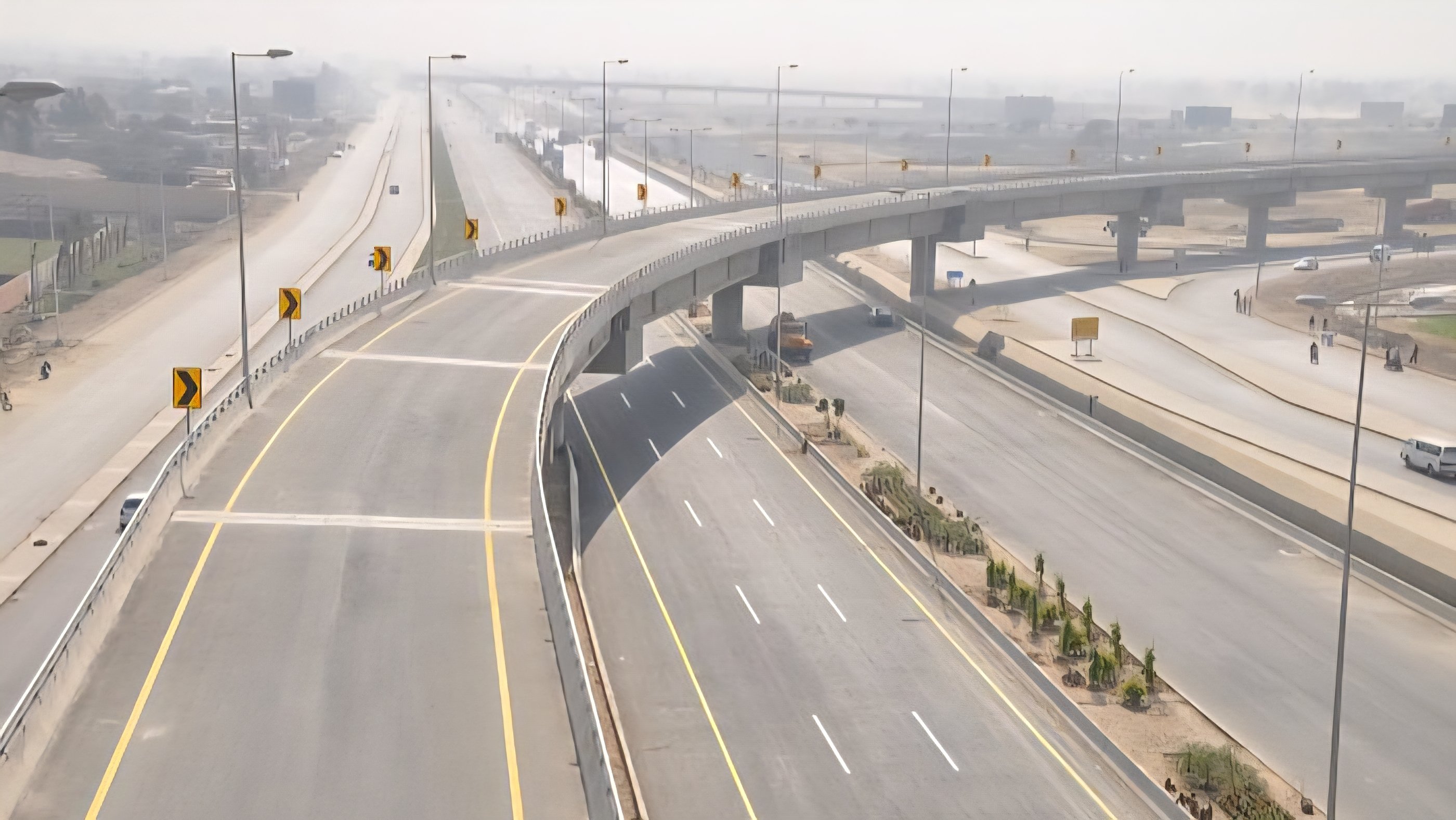

Tanzania is embarking on an extensive infrastructure overhaul as part of its National Development Vision 2050, a roadmap designed to elevate the country into an industrialized upper-middle-income nation. Central to this strategy is the advancement of 181,190 kilometers of roads and railways. This network expansion is intended to serve as the backbone for growth in tourism, trade, and industrialization over the next twenty-four years.
The transport sector plans align with a major energy transition. The government aims to increase electricity generation from the current 4,450 MW to a 70,000 MW capacity. This power surplus is expected to lower industrial operating costs and support heavy manufacturing. Current projections indicate that electricity demand will rise sharply as the country moves toward a net-exporter status within the East and Southern African regions.
Economic targets within the vision are equally substantial. Policymakers are working toward a $1 trillion economy, a goal that requires consistent annual growth and significant structural shifts away from subsistence agriculture. To support this financial scale, the government is targeting up to $20 billion in annual Foreign Direct Investment. This capital influx is viewed as a primary driver for the private sector and job creation in formal industries.
On a social level, the vision prioritizes the elimination of hunger across the country by 2050. Improvements in rural road access are expected to link farmers to markets more efficiently, reducing post-harvest losses and stabilizing food supplies. This agricultural modernization is paired with an income target of $7,000 per capita, up from current levels, to ensure that the benefits of industrial growth are reflected in household earnings.
The infrastructure projects are being structured through public-private partnerships to mobilize the necessary capital without over-reliance on external debt. Current projects, including the 2,290-kilometer standard gauge railway, are already seeing multibillion-dollar allocations. These developments are intended to position the Dar es Salaam and Mtwara ports as primary logistics hubs for landlocked neighboring countries.
Government officials have emphasized that achieving these goals will require a stable business environment and the removal of bureaucratic barriers. The Fourth Five-Year Development Plan, running from 2026 to 2031, will serve as the first major implementation phase of this long-term agenda.
Comments (0)
Leave a Comment
No comments yet. Be the first to share your thoughts!