

A version of this article appeared on The Business Daily.
Evaluating the true economic output of regional resource corridors remains a complex challenge, particularly as new data highlights substantial discrepancies in mineral export reporting.
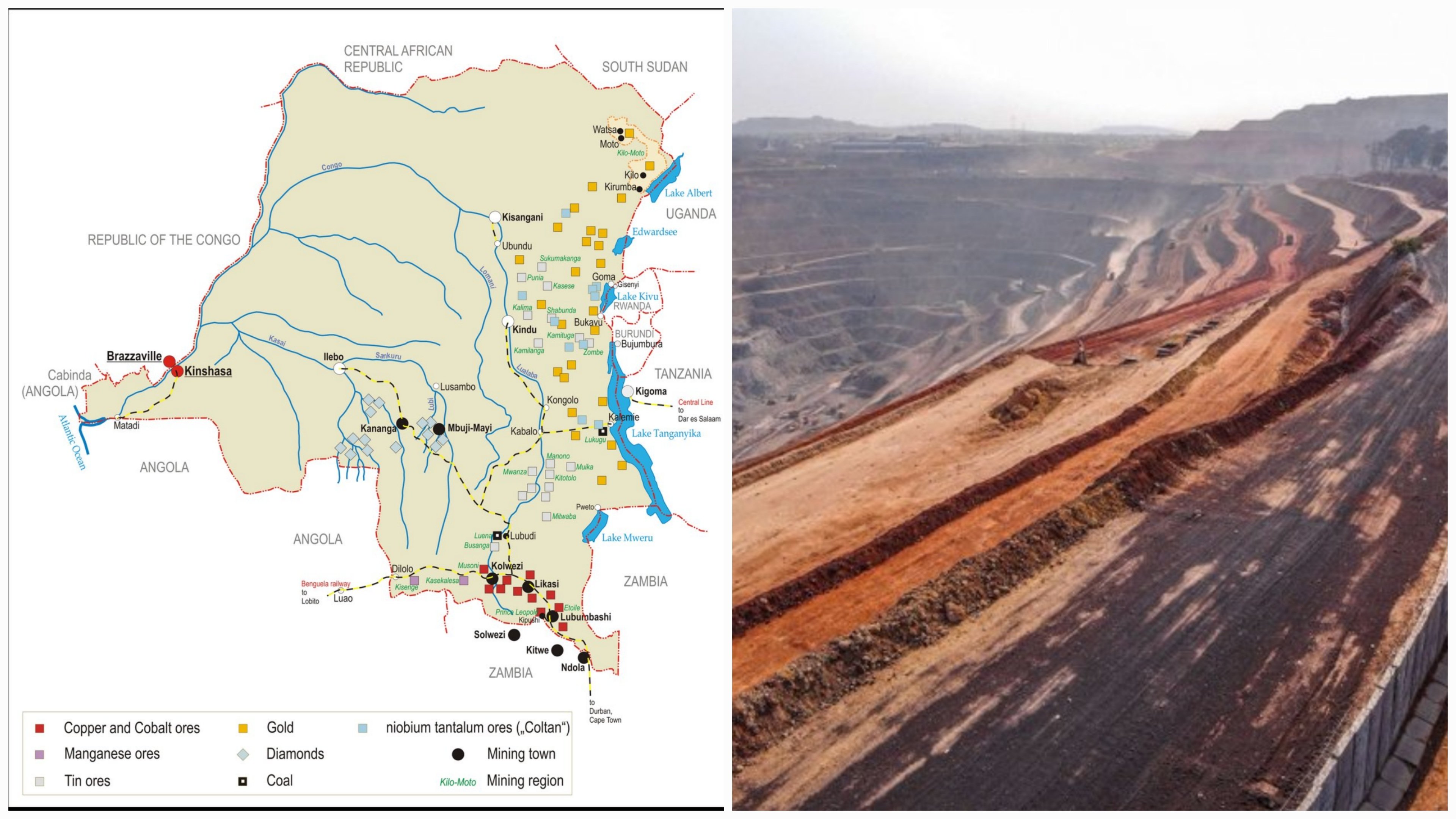
The Democratic Republic of Congo (DRC) holds an estimated $24 trillion in natural resource wealth.
Annually, these resources generate more than $8.5 billion in direct revenues from mineral exports.
However, recent data indicates that mining companies failed to report roughly $16 billion in revenue during the last year alone.
This lack of reporting emphasizes the governance gaps affecting the transport and logistics networks connected to eastern DRC, which remains a highly volatile mining hub.
Large-scale extraction requires robust transport infrastructure, but tracking the actual value moving through these corridors is difficult when billions go unrecorded.
Infrastructure planners must look beyond visible cargo volumes, if they are to design systems that capture true economic activity.
A lack of transparency directly undermines funding for public infrastructure, which relies heavily on accurate resource taxation.
Further east, Somalia presents another major shift in regional resource dynamics.
Estimates indicate the country possesses roughly 110 billion barrels of oil.
Preparations are underway to begin drilling operations targeting 30 billion barrels.
Developing these massive oil fields will require substantial upstream engineering and logistical investments.
Without adequate pipeline infrastructure, deep-water ports, and secure transport networks, unlocking this volume of oil will remain difficult.
For the wider East African region, the scale of these unexploited and underreported resources alters current infrastructure priorities.
Regional transit networks, including roads, railways, and ports, are heavily impacted by how resource-rich neighbors manage their exports.
When billions of dollars in minerals bypass formal tracking systems, cross-border infrastructure initiatives lose vital funding and data accuracy.
Addressing these oversight failures is essential, who intend to build reliable supply chains across the continent.
Comments (0)
Leave a Comment
No comments yet. Be the first to share your thoughts!