
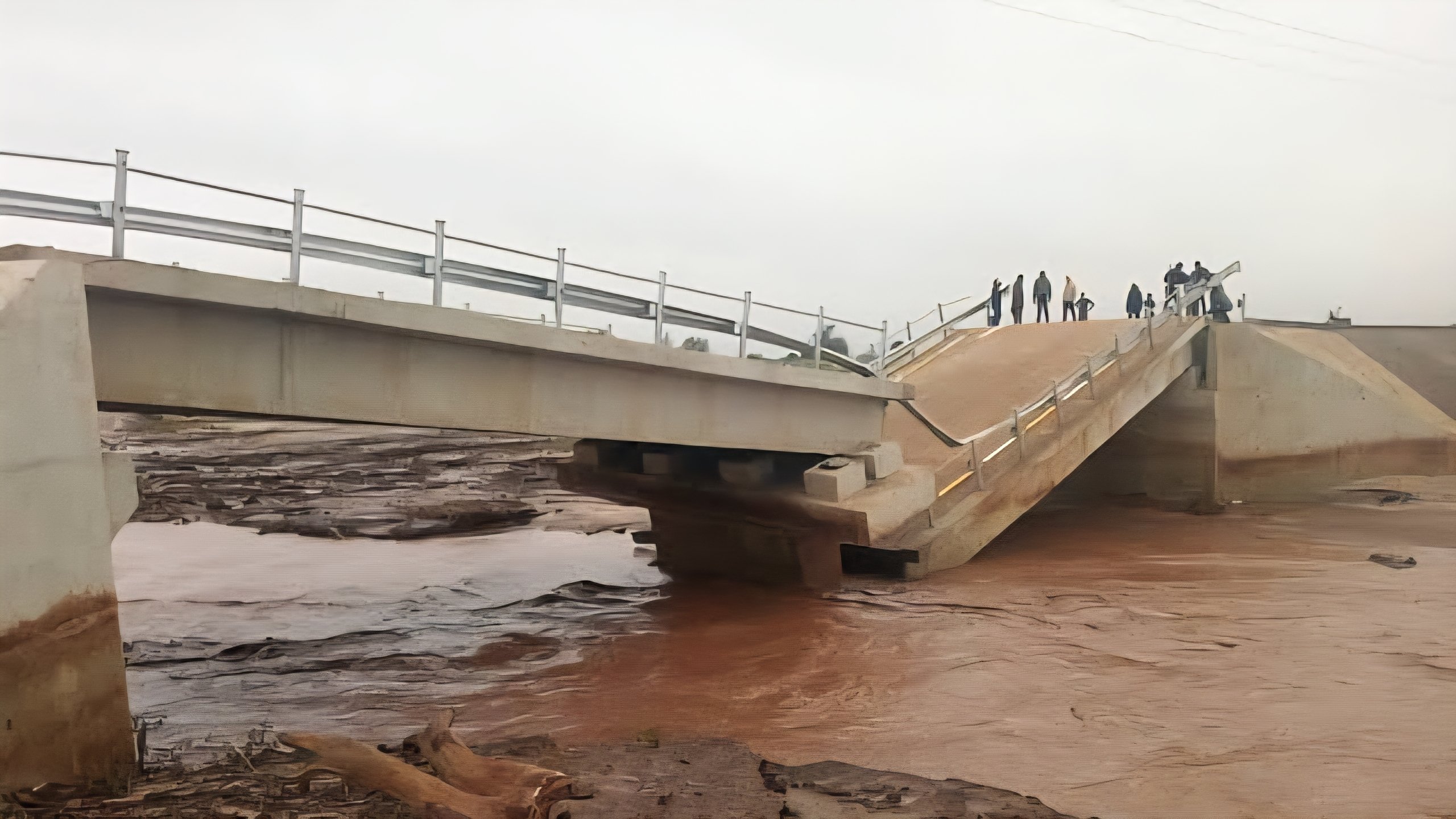

The Ministry of Interior has issued a high-level flood warning for residents living along major rivers in Kisumu, Tana River, and Uasin Gishu counties. This directive follows a period of intense rainfall that has already claimed 84 lives across the nation.
Emergency response teams are currently searching for three people reported missing in recent days. The government indicates that the sustained downpours have pushed river volumes to critical levels, threatening both residential areas and essential transport links in the affected regions.
In Kisumu, the locals have been advised to move to higher ground as drainage systems struggle to cope with the runoff. Engineering assessments suggest that persistent saturation is weakening road embankments and small-scale bridge footings, making transit through low-lying areas increasingly hazardous.
Tana River County, which historically faces severe seasonal flooding, is once again under scrutiny. The Ministry noted that the overflow from upstream dams, coupled with local rainfall, has created a high-risk environment for those settled near the riverbanks.
Uasin Gishu has also been flagged as a priority zone. Authorities are monitoring bridge stability and culvert capacity, as blocked waterways often lead to flash floods that can wash away sections of the local road network without warning.
President Ruto has previously emphasized the need for coordinated disaster management to mitigate the effects of climate-driven weather patterns. The current situation has put immense pressure on the Kenya Red Cross and other first-responder agencies tasked with evacuations.
Beyond the loss of life, the economic toll on infrastructure is becoming evident. Siltation and debris have blocked several key drainage arteries, while waterlogged foundations in informal settlements remain a significant concern for structural integrity.
The Ministry of Interior stressed that the 84 confirmed deaths should serve as a stark reminder of the danger. Officials have warned against attempting to cross flooded roads or swollen rivers, noting that many fatalities occur when vehicles are swept away.
For the construction and engineering sectors, these events highlight the urgent need for climate-resilient designs. Standard drainage capacity is being outpaced by current rainfall intensity, leading to premature pavement failure and the erosion of critical subgrades.
Meteorological data suggests that while there may be brief periods of sunshine, the saturation of the soil means that even moderate rain could trigger immediate surface runoff. The locals in the specified counties are urged to remain vigilant and follow all official evacuation orders.
Monitoring of the Tana River remains a 24-hour operation, as the delta region often experiences the delayed effects of rainfall from the central highlands. Coordination between the national government and county leadership is ongoing to ensure relief reaches those displaced.
Public works departments are on standby to begin emergency repairs once water levels recede. However, the immediate focus remains on life-saving interventions and the relocation of households situated in direct flood paths or on unstable slopes prone to landslides.
Comments (0)
Leave a Comment
No comments yet. Be the first to share your thoughts!