
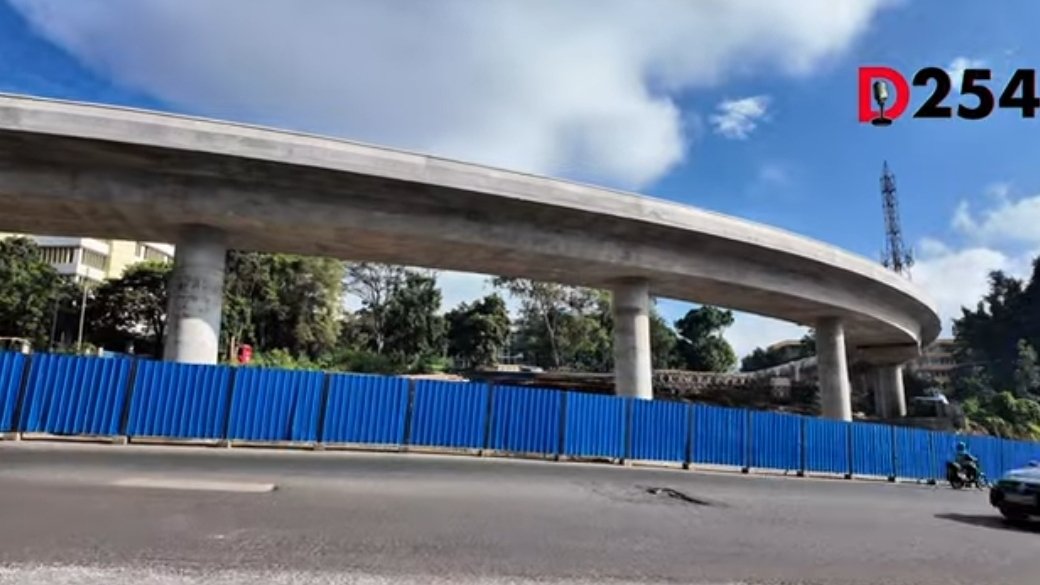

Nairobi’s transport network is steadily expanding, and one of the latest projects drawing attention is the new expressway style viaduct taking shape within the city. The elevated road is part of ongoing efforts to ease congestion and improve traffic movement in some of Nairobi’s busiest sections.
The viaduct is designed to offer motorists a faster route over heavily congested intersections, reducing delays that have become common during peak hours. Similar to the Nairobi Expressway, the project uses an elevated structure to separate through traffic from local traffic below.
This setup integrates with the Valley Road–Kenyatta Avenue/Ngong/Nyerere Road Interchange and Upper Hill–Haile Selassie Overpass works. The design allows through traffic to pass above congested at-grade junctions.
Motorists will gain smoother connections between Valley Road, Kenyatta Avenue, Ngong Road, Haile Selassie Avenue and related routes. It targets bottlenecks involving Processional Way, State House Road and nearby intersections that currently slow movement toward Upper Hill and southern suburbs .
Construction crews have made visible progress in recent months, with pillars, deck sections, and support beams now standing in several sections. For many residents, the growing concrete structure is a clear sign that the city’s road infrastructure is entering another phase of expansion.
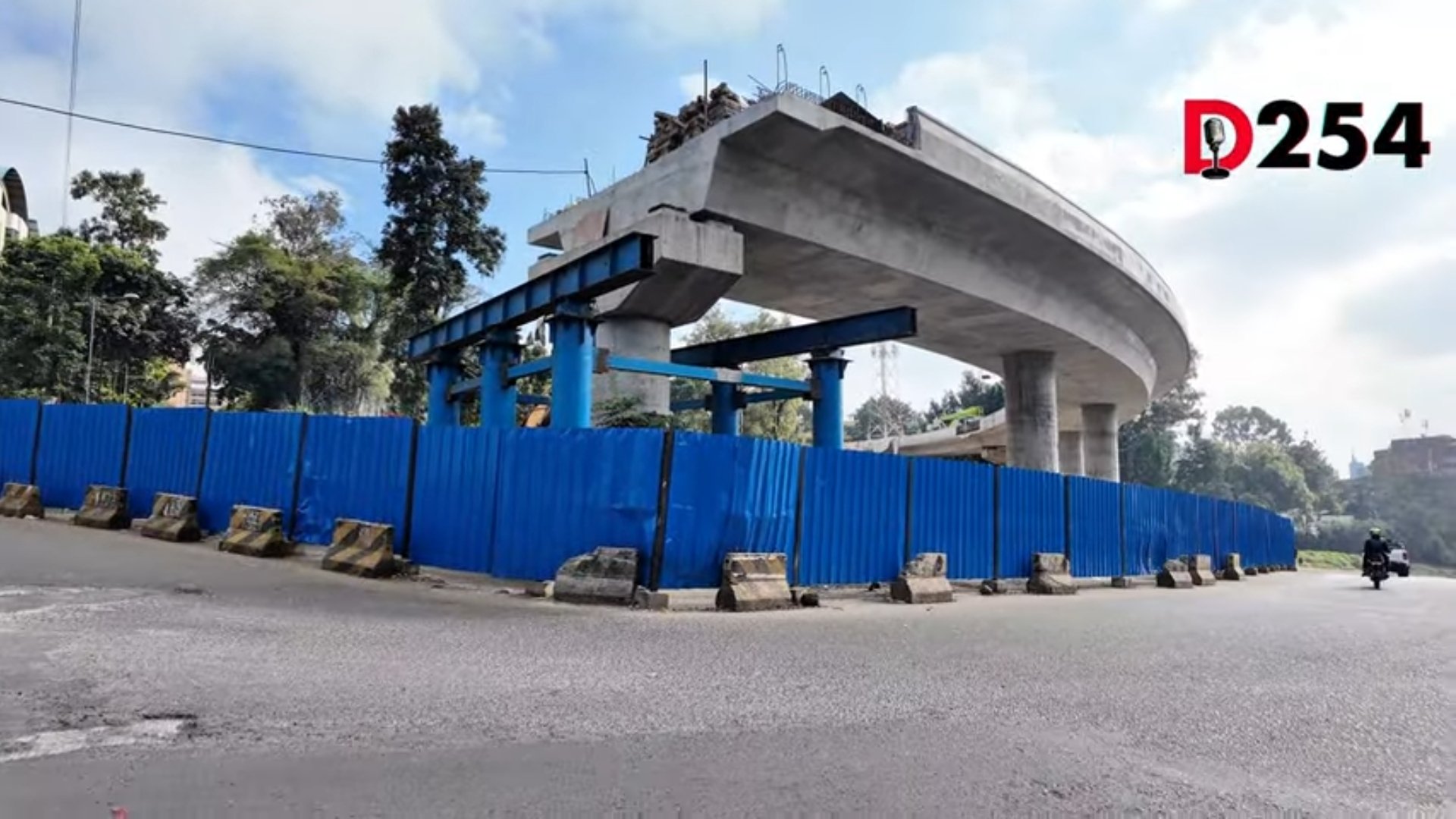
CRBC making it look easy /Dolphin254
Government officials say the project is aimed at cutting travel time for thousands of commuters who rely on the corridor every day. Nairobi continues to face pressure from rapid population growth, increased vehicle ownership and limited road space in key urban centres.
Transport experts argue that viaducts and elevated roads can help improve efficiency when properly integrated into the wider road system. By reducing bottlenecks at junctions and allowing continuous flow, such infrastructure can ease pressure on surrounding roads.
However, some urban planners caution that road expansion alone may not fully solve Nairobi’s congestion challenges. They point out that investment in public transport, pedestrian pathways and better traffic management is equally important to create a balanced transport system.
Businesses near the construction zone have experienced mixed effects. While some report reduced customer access due to diversions and temporary closures, others expect increased activity once the project is completed and accessibility improves.
Residents living close to the site have also raised concerns over noise, dust and disruptions caused by heavy machinery. Contractors say mitigation measures are being put in place, including controlled working hours and safety barriers to protect nearby communities.
The viaduct is expected to connect important economic zones and support smoother movement of goods and services across Nairobi. Better road links are often seen as important in reducing operational costs for businesses that depend on timely deliveries.
The project also reflects Kenya’s broader push toward modern infrastructure as part of its urban development plans. In recent years, Nairobi has seen major road upgrades, bypasses and express routes aimed at improving mobility and supporting economic growth.
As construction advances, many road users are watching closely to see whether the new viaduct will deliver the same impact as the Nairobi Expressway. If completed on schedule, it could become another key piece in the city’s changing transport landscape.
For now, the rising structure stands as both a symbol of progress and a reminder of Nairobi’s ongoing struggle with traffic congestion. Whether it transforms daily commuting will depend on how well it connects with the rest of the city’s transport network.
Comments (1)
Leave a Comment
Stanley
Jun 15