
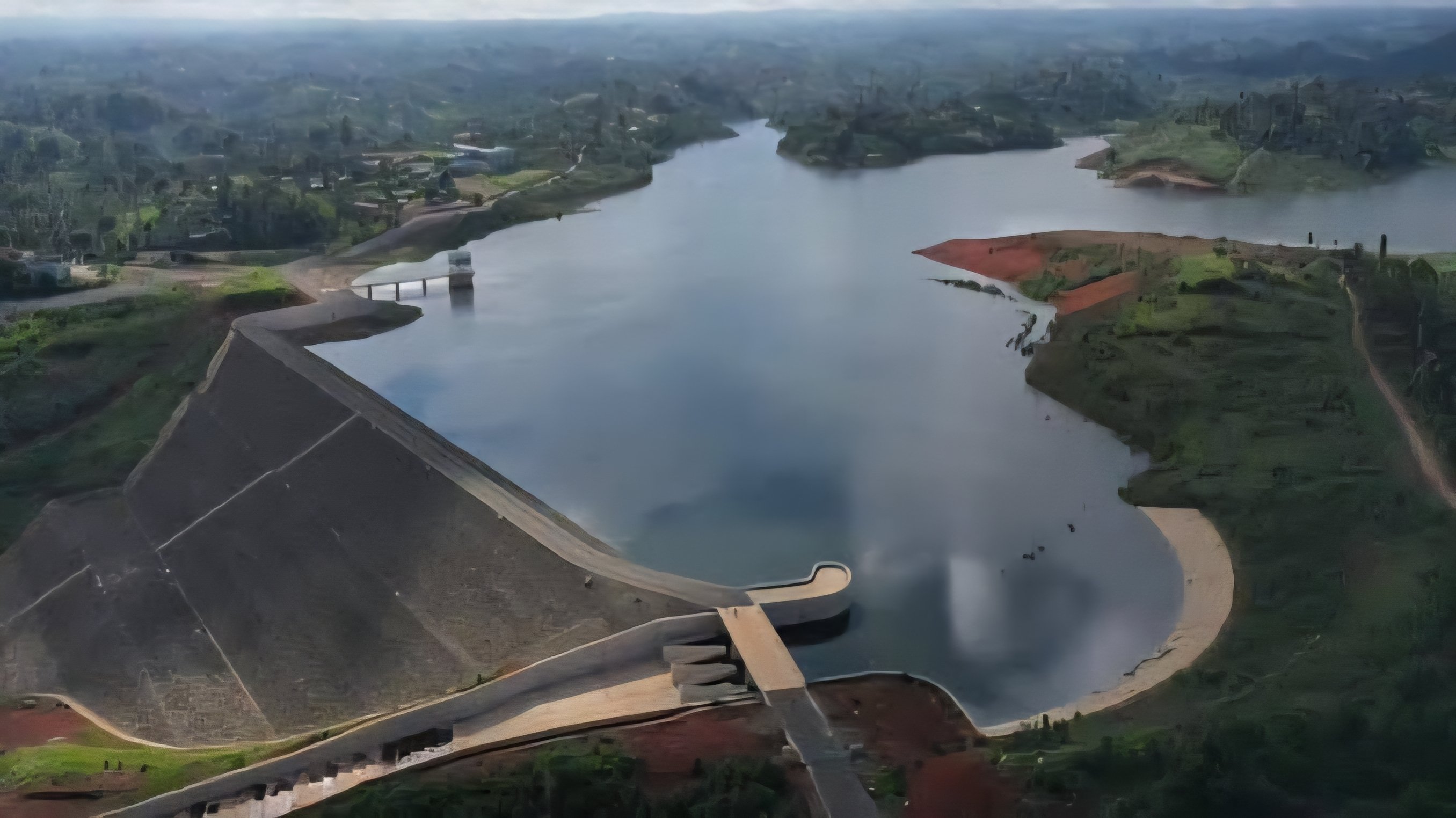

The Ministry of Interior and National Administration has placed the Tana River Basin on high alert following reports that the Seven Forks hydroelectric dams are nearing their maximum storage capacity.
Persistent heavy rainfall in the upper Tana catchment areas, particularly around Mount Kenya and the Aberdares, has triggered a significant surge in water flowing into the cascade. Government Spokesperson Isaac Mwaura confirmed that Masinga Dam, the largest reservoir in the system, was reported full as of the evening of April 28, 2026.
To manage the escalating situation and protect the structural integrity of the infrastructure, engineers have commenced controlled water releases. These regulated spillages are currently taking place at the Kamburu, Gitaru, and Kindaruma dams.
Hydrological data indicate that water levels along the Tana River will rise steadily from April 29. Current projections suggest that low-lying areas in the lower basin and the Tana Delta are likely to experience early flooding by May 1.
The National Disaster Management Unit has identified the period between May 2 and May 3 as the highest risk window. During this time, water levels are expected to peak, potentially causing widespread flooding in Garissa, Hola, and Garsen.
Local monitoring at the Garissa Gauge Station suggests the river could reach 6.4 meters by Saturday. This figure significantly exceeds the established flood warning threshold of 5.0 meters, posing a direct threat to floodplains and delta regions.
Authorities have expressed particular concern regarding the Kiambere Dam. If rainfall persists in the upper regions, Kiambere is expected to begin spilling within the next five days, which would further increase the volume of water moving downstream.
Residents living along the Lower Tana River have been strongly advised to act early to prevent loss of life and property damage. The government advisory includes instructions to move to higher ground immediately and relocate livestock to safer areas.
The Ministry has also cautioned the public against attempting to cross swollen rivers or walking through fast-moving water. Emergency teams are on the ground to provide guidance, and the public is urged to follow all instructions from local authorities.
The Seven Forks cascade is a critical component of Kenya’s energy infrastructure. While the high water levels ensure stable hydropower generation, the necessity of controlled spillovers during extreme weather highlights the ongoing challenges of water management in the basin.
Comments (0)
Leave a Comment
No comments yet. Be the first to share your thoughts!