
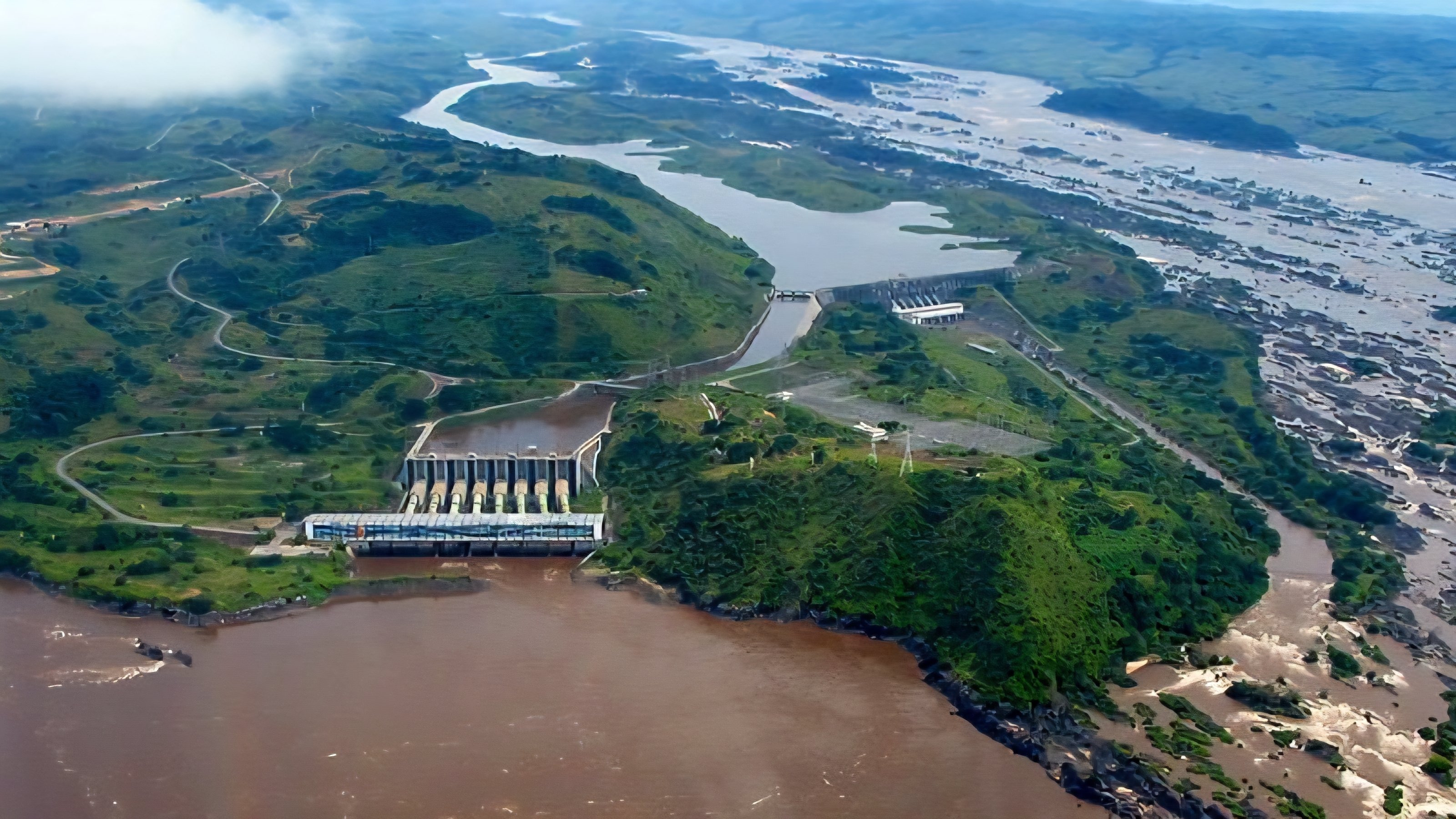

The National Treasury has moved to update a feasibility study for a proposed 90 megawatt hydropower plant at Karura, located within the Tana River basin.
This technical review is a vital step toward bringing the project to financial close, especially as the country seeks to balance its energy mix.
The Karura project is strategically positioned to tap into the perennial flows of the Tana River, which already hosts a series of major dams.
According to recent data, Kenya imported 1,274.42 gigawatt-hours (GWh) in the year ended June 2025.
Government officials hope that increasing domestic capacity will reduce the need for cross-border power purchases from neighboring countries like Ethiopia and Uganda.
The push for the Karura plant comes at a time when the state is under pressure to keep electricity prices stable for domestic and industrial users.
While Kenya has invested heavily in geothermal and wind energy, hydropower remains a critical component for base-load stability, provided water levels in the dams are managed effectively.
Engineers familiar with the Tana River cascade noted that the Karura site offers unique topographical advantages for a medium-scale facility.
The updated study will look at the current environmental impact, the projected cost of construction, and how the 90MW will be integrated into the national grid.
Funding for the project is expected to involve a mix of state resources and potentially private investment or development finance.
The Treasury is also evaluating the debt sustainability of the project, ensuring that the capital expenditure aligns with the country’s long-term fiscal framework.
Previous assessments of the Tana River’s potential suggested multiple sites for small and medium dams, but Karura has emerged as a priority due to its projected efficiency.
Energy sector analysts suggest that the timeline for the project will depend on how quickly the feasibility results are validated by the Ministry of Energy.
President Ruto has previously emphasized the importance of renewable energy transitions to power the country's manufacturing sector.
The successful implementation of the Karura plant would add to the existing capacity of the Seven Forks scheme, which includes Masinga, Kamburu, Gitaru, Kindaruma, and Kiambere.
Construction of such facilities typically involves significant civil engineering works, including the diversion of river sections and the installation of heavy turbines.
Local communities along the Tana River are expected to be consulted as part of the environmental and social impact assessment updates.
If the Treasury gives the green light, the procurement process for a lead contractor could begin within the next fiscal cycle.
The project represents a renewed focus on the Tana River as the backbone of Kenya's hydro-generation.
With electricity demand growing by approximately 4% to 6% annually, every megawatt added to the grid is essential for preventing future supply shortfalls.
Officials expect the updated feasibility report to be completed soon, providing a clearer roadmap for the project's commencement.
Comments (0)
Leave a Comment
No comments yet. Be the first to share your thoughts!