
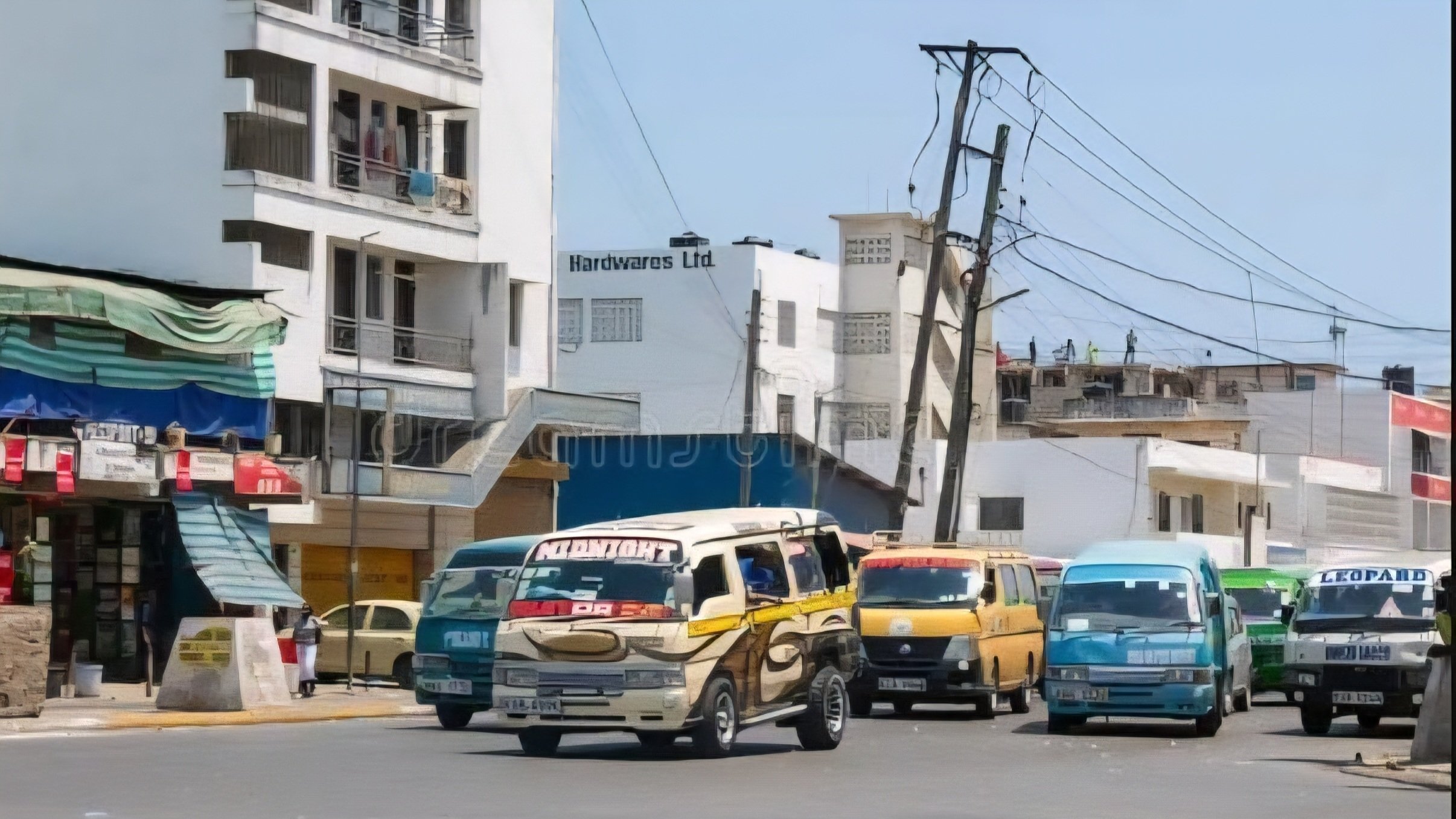

Matatu operators across the country have announced plans to begin a nationwide strike alongside a proposed 50% increase in fares. The move has raised concern among commuters who rely heavily on public transport for daily travel to work, school and business activities in towns and rural areas.
The operators say the decision follows rising operational costs that have made it difficult to maintain services at current fare levels. They point to increased fuel prices, higher spare part costs, and growing expenses linked to vehicle maintenance and compliance requirements.
If implemented, the 50% fare increase would significantly affect daily commuting costs. For many passengers who already spend a large share of their income on transport, the adjustment could strain household budgets and reduce mobility, especially for low-income earners.
In major towns such as Nairobi, Mombasa and Kisumu, commuters are likely to feel the impact most sharply. Routes that are already congested and expensive could see further pressure, with passengers forced to adjust travel times or seek alternative arrangements.
In rural and peri-urban areas, the effects could be even more disruptive. Many residents depend on matatus for access to markets, health facilities and schools. A prolonged strike could isolate communities and slow down local economic activity.
Government officials have urged transport stakeholders to engage in dialogue to avoid disruption. Authorities have emphasized the importance of maintaining public order and ensuring that essential transport services remain available to citizens during discussions.
Matatu Savings and Credit Cooperative Organizations (SACCOs) are expected to play a central role in negotiations. These groups often coordinate routes and pricing decisions and their agreement is likely to determine whether the strike proceeds or is suspended.
Operators have repeatedly cited fuel costs as a major pressure point. Over the past months, fluctuations in global oil prices and local taxation have increased operating expenses, leaving many drivers and vehicle owners with reduced profit margins.
The situation has also highlighted broader concerns about the cost of living. Transport costs are closely tied to prices of food and goods, meaning that fare increases could contribute to higher inflation and increased strain on households.
Commuters have expressed mixed reactions, with some understanding the operators’ challenges while others criticize the timing and scale of the proposed fare hike. Many fear that essential travel will become unaffordable if the increase is enforced.
Some transport users are already considering alternative means such as carpooling, motorbike taxis, walking shorter distances, or adjusting work schedules. However, these options may not be practical for everyone, especially for long distance commuters.
Transport analysts warn that a prolonged standoff between operators and the government could disrupt economic activity in urban centers. Delays in movement of workers and goods may affect productivity in key sectors such as retail and services.
Negotiations are expected to continue in the coming days as both sides seek common ground. The outcome will likely depend on whether subsidies, fare adjustments, or other support measures can be agreed upon to stabilize the transport sector without overburdening passengers.
Comments (0)
Leave a Comment
No comments yet. Be the first to share your thoughts!