

The World Health Organization (WHO) has declared the Ebola outbreak in Uganda over after health authorities reported no new infections during the required monitoring period. The announcement comes as the Democratic Republic of the Congo (DRC) continues to record new Ebola cases, raising concerns about the disease in parts of the region.
Uganda’s outbreak was declared in January 2026 after the country confirmed cases of the Sudan Ebola virus. Health authorities moved quickly to identify people who had been in contact with patients, isolate suspected cases and strengthen surveillance in communities and health facilities.
The WHO said Uganda completed the required 42-day period without recording a new case after the last confirmed patient recovered. The period is used to confirm that the virus is no longer spreading among the population.
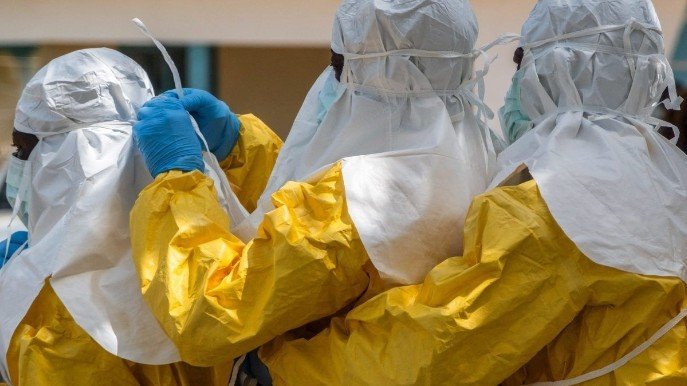
Health workers played a central role in controlling the outbreak. Teams carried out contact tracing, testing, infection prevention measures and community awareness campaigns. Health facilities were also advised to maintain screening and reporting systems to identify possible cases early.
The outbreak placed pressure on Uganda’s health system, particularly in areas where suspected cases had to be assessed and contacts monitored. Authorities also worked with international health organisations to provide technical support and strengthen the response.
Although Uganda has ended the outbreak, health officials have continued to urge people to remain alert. Ebola can spread through contact with infected bodily fluids, and early detection is important in preventing further transmission.
In the DRC, meanwhile, health authorities are dealing with a separate Ebola outbreak that has recorded rising cases. The country has a long history of responding to Ebola outbreaks, with previous incidents affecting communities in different provinces.
The WHO and Congolese health authorities are supporting investigations, contact tracing and other response measures in affected areas. Health workers are also working to improve public awareness and ensure that suspected infections are reported and handled quickly.
The situation in the two countries highlights the need for continued disease surveillance across borders. Uganda and the DRC share a border, and movement of people between communities means health authorities must maintain communication and monitoring even after an outbreak has ended.
The WHO has welcomed Uganda’s response while stressing that the end of an outbreak does not mean surveillance should stop. Health authorities in both countries are expected to continue monitoring for suspected cases and strengthening preparedness as efforts continue to contain Ebola in the DRC.
Comments (0)
Leave a Comment
No comments yet. Be the first to share your thoughts!