
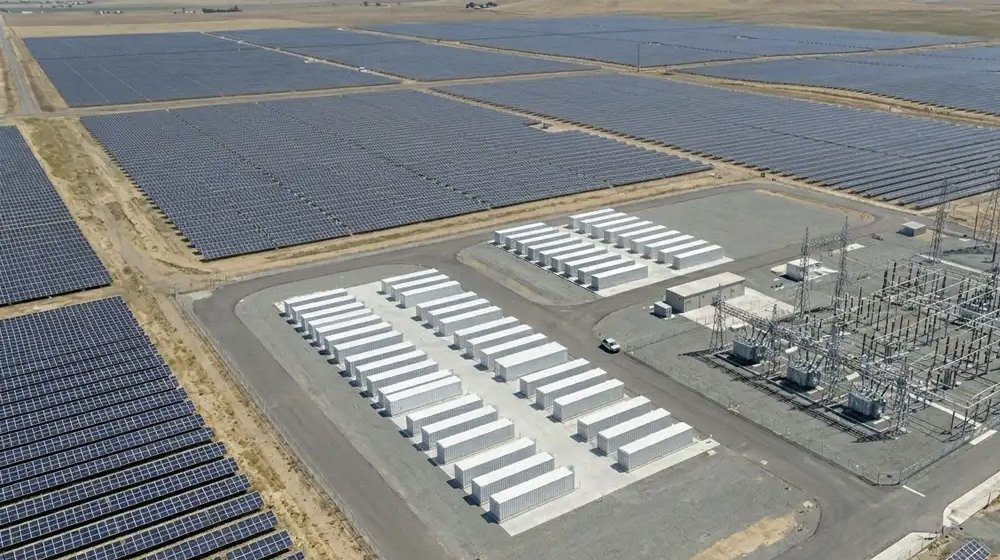

Round-the-clock solar power is edging closer to reality, according to new analysis from UK energy think tank Ember, which credits falling battery storage costs for the shift.
Solar photovoltaic (PV) generation supplied just over 10 percent of global electricity in the first half of 2026, up from 8.9 percent over the same period last year. That share has nearly doubled since the first half of 2023, when it stood at 5.6 percent.
Solar generation has grown roughly seven times faster than overall electricity demand over the past three years. Global generation rose 12 percent between the first half of 2023 and the first half of 2026, while solar output more than doubled, climbing from 769 terawatt-hours to 1,564 terawatt-hours.
That growth remains tightly bunched around midday, however. On an average day this year, solar covered more than a quarter of global electricity demand between 11:00 and 14:00, then dropped to near zero between 20:00 and 05:00.
The pattern is sharper in countries with heavier solar penetration. In Chile, solar reached 71 percent of demand at midday but had nearly vanished by 21:00. The Netherlands and Germany saw similar midday peaks, at 58 and 55 percent respectively, both falling to zero within hours.
Fossil-fuel plants have lost ground during daylight hours but held their position after dark. Average fossil generation between 11:00 and 14:00 fell from 86 gigawatts in 2023 to 69 gigawatts this year. During the evening peak, from 19:00 to 21:00, the drop was far smaller, from 106 gigawatts to 101 gigawatts.
Battery storage additions are expected to reach 459 gigawatt-hours globally in 2026, a 50 percent increase over the 307 gigawatt-hours added in 2025. Ember calculates that this capacity could theoretically shift 34 percent of new daily solar generation into hours when the sun isn't shining, nearly double the 18 percent estimated for 2025 and well above the 4 percent recorded in 2021.
Average global battery costs fell 95 percent between 2010 and 2025, from $2,634 per kilowatt-hour to $140 per kilowatt-hour, according to the report.
Some countries are moving faster than the global average. Bulgaria installed enough storage in 2025 to shift 77 percent of its new daily solar generation, ahead of Chile at 76 percent and Australia at 60 percent. Bulgaria went from almost no battery capacity in 2023 to roughly 3 gigawatt-hours added in 2025, with installed capacity surpassing 8.6 gigawatt-hours by May 2026.
Chile added 4 gigawatt-hours of storage in 2025, bringing its total to 7.6 gigawatt-hours, mostly paired directly with solar plants to cut curtailment and push generation into the evening.
The United States added 58 gigawatt-hours of storage in 2025, enough to shift about a quarter of its new daily solar output. The European Union added 27 gigawatt-hours, shifting 16 percent, below the global average.
The effects are already visible in evening demand. In California, solar and storage combined met more than a quarter of electricity demand during the 19:00 to 21:00 peak in the first half of 2026, up from 6.8 percent in the same period of 2023. In Bulgaria, the combination covered nearly a quarter of evening peak demand and supplied an average of 10 percent of demand overnight, between 19:00 and 07:00.
Ember cautions that batteries alone will not solve the problem. Electricity markets still need reforms that let storage participate where it delivers the most value, and the report notes that wind, hydropower, nuclear power and longer-duration storage will remain essential during extended stretches of low solar or wind output.
Comments (0)
Leave a Comment
No comments yet. Be the first to share your thoughts!