

A version of this article appeared on The East African.
As Somalia rebuilds after decades of instability, the country's engineers are working on infrastructure that is driving economic recovery and social progress, Heyle writes. But he argues that reconstruction confined within national borders will not deliver its full potential.
Heyle points to the World Bank's Somalia Poverty and Equity Assessment Report from 2024, which identifies quality infrastructure as a foundation for sustainable economic development and poverty reduction. His argument builds from there toward a wider claim about regional connectivity.
The Horn of Africa, he notes, sits on the Red Sea and the Gulf of Aden, positioning it as a gateway between Africa, the Middle East, Europe and Asia. Significant volumes of global trade move through those waters each year.
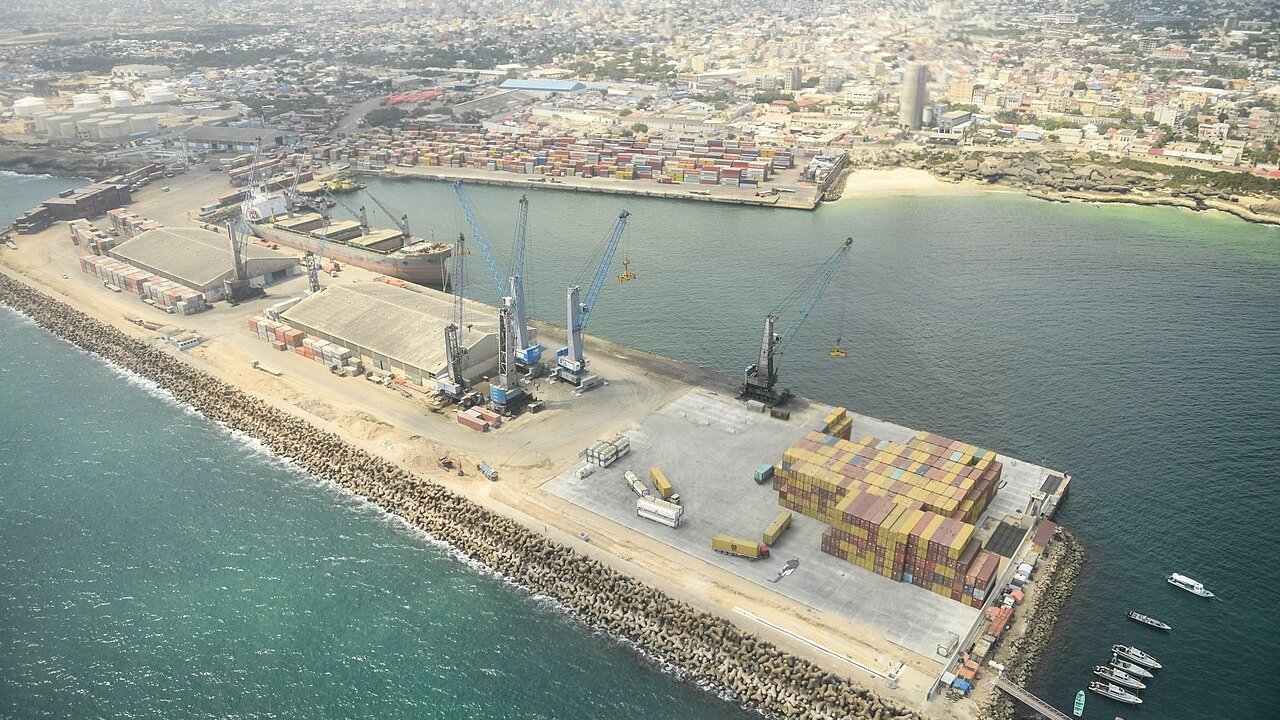
That geography, Heyle argues, only translates into opportunity if infrastructure planning happens regionally rather than country by country. He uses the example of a port: its economic value depends on whether it connects to highways, logistics centers, border facilities and neighboring markets, not just on the port itself.
The same logic, he writes, applies to renewable energy projects, digital networks and water resource management, all of which work better when neighboring countries coordinate on planning.
Engineers, in Heyle's framing, do more than design structures. He describes their role as extending into national planning, environmental sustainability, and public safety, with professional engineering institutions serving as platforms for knowledge-sharing and technical cooperation across borders.
He calls for Somalia to deepen ties with engineering institutions elsewhere in East Africa and the continent, through joint research, regional conferences, harmonized standards and mutual professional recognition. He links this to the African Union's Agenda 2063, which names regional integration and modern infrastructure among its long-term development pillars.
Climate change features as a further argument for cross-border cooperation. Heyle lists flooding, drought, coastal erosion and rapid urbanisation as challenges that affect the whole Horn of Africa region and do not stop at national boundaries.
He argues that addressing them requires engineers to build climate resilience into infrastructure planning through sustainable construction practices, resilient building standards and nature-based solutions, work he says benefits from regional research collaboration.
The Somali Engineers Association, Heyle writes, sees professional bodies as potential partners in regional development, working alongside universities, governments and development partners.
He also raises the question of workforce development, arguing that young engineers need access to education, mentorship, digital tools and international exposure, and that expanding opportunities for women in engineering would bring more diverse perspectives to infrastructure planning.
Heyle closes by framing Somalia's reconstruction as one of Africa's most significant development opportunities, one he believes could position the country as a contributor to regional integration rather than a country rebuilding in isolation. The Horn of Africa's future, he argues, will depend less on what each country builds alone and more on the partnerships nations forge together.
Comments (0)
Leave a Comment
No comments yet. Be the first to share your thoughts!