
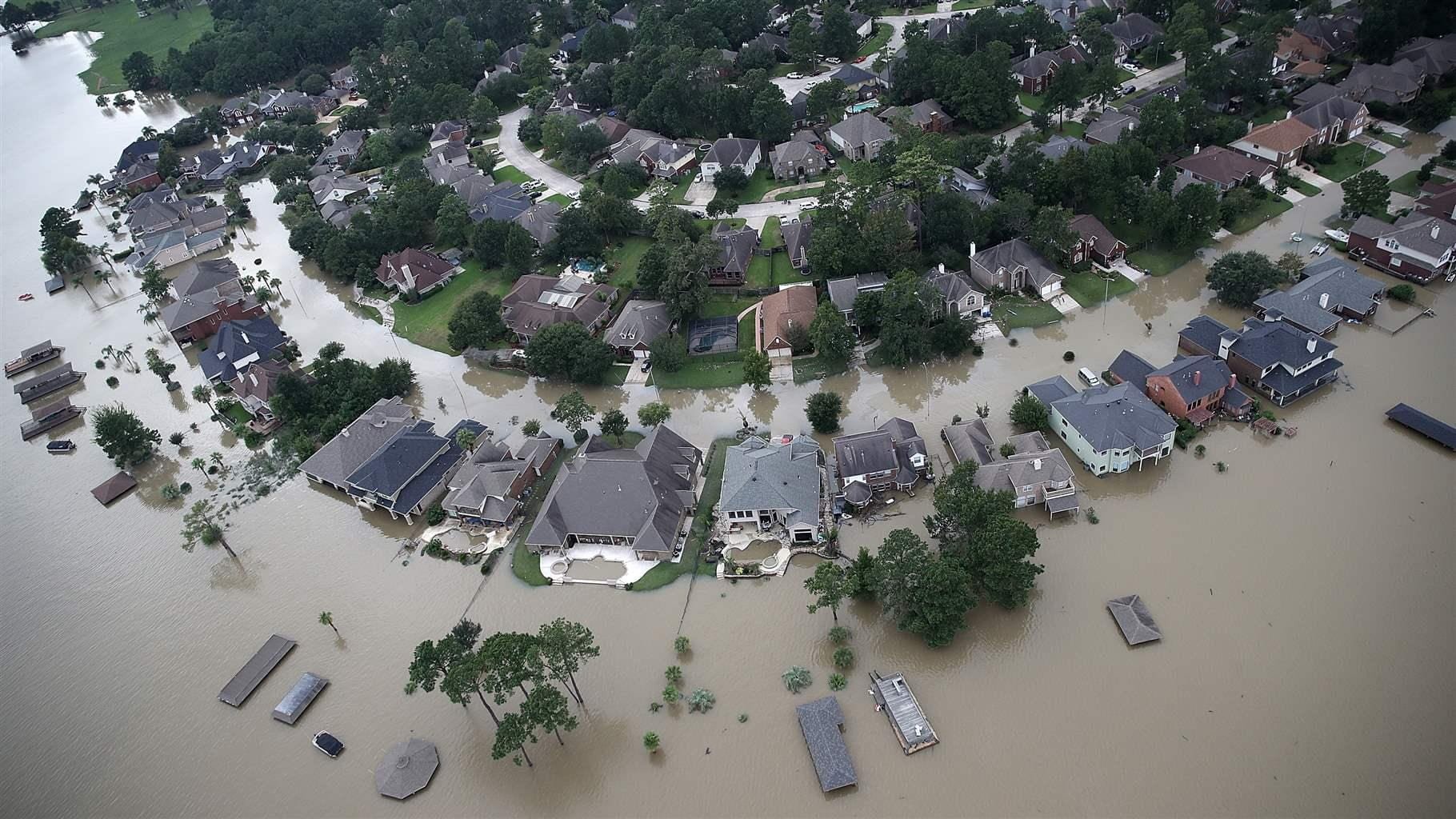

In January 2025, wildfires tore through Los Angeles, destroying approximately 12,000 structures and burning around 40,000 acres of land. A few months earlier, flash floods hit Valencia in south-eastern Spain, causing billions of euros in damage. Neither event was a surprise to climate scientists. Both, however, caught built environments almost entirely unprepared.
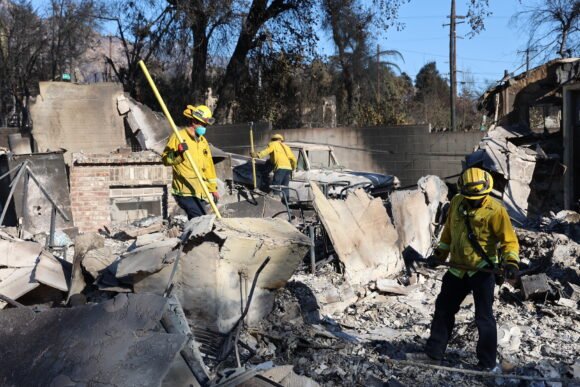
The aftermath of the LA fire
That gap, between what climate science has been projecting for decades and what architects have actually been building, is now closing. Slowly, unevenly, but closing.
The shift happening across the profession is less about aesthetics and more about assumptions. For most of modern construction history, buildings were designed around historical climate data. A flood wall was sized to handle the worst flood on record. A roof was engineered for the most severe wind load of the past fifty years. The problem is that those records are being broken repeatedly, and the buildings designed around them are failing.
The new standard of care, as it is increasingly being described by legal and professional bodies, requires architects to plan for future climate conditions rather than historical ones. The American Institute of Architects, through its 2025 Conference on Architecture and Design in Boston, put the issue plainly: architects who fail to account for foreseeable climate risks may face professional liability. LEED Version 5, the latest iteration of the widely used green building rating system, now includes a prerequisite requiring projects to conduct a Property Resilience Assessment before construction begins. These are not suggestions.
What this looks like in practice varies sharply by geography and hazard type.
In flood-prone coastal areas, some of the most deliberate responses have come from Rotterdam, where the city has integrated water management directly into urban design. Water plazas function as public space during dry periods and as temporary retention basins during storms. Buildings in those zones feature raised entrances and waterproof lower floors. In California, the Genesis Marina biotech campus, completed in 2024, replaced the conventional approach of seawalls and dikes with a landscaped natural buffer system. The site flooded the following December. The landscape held.
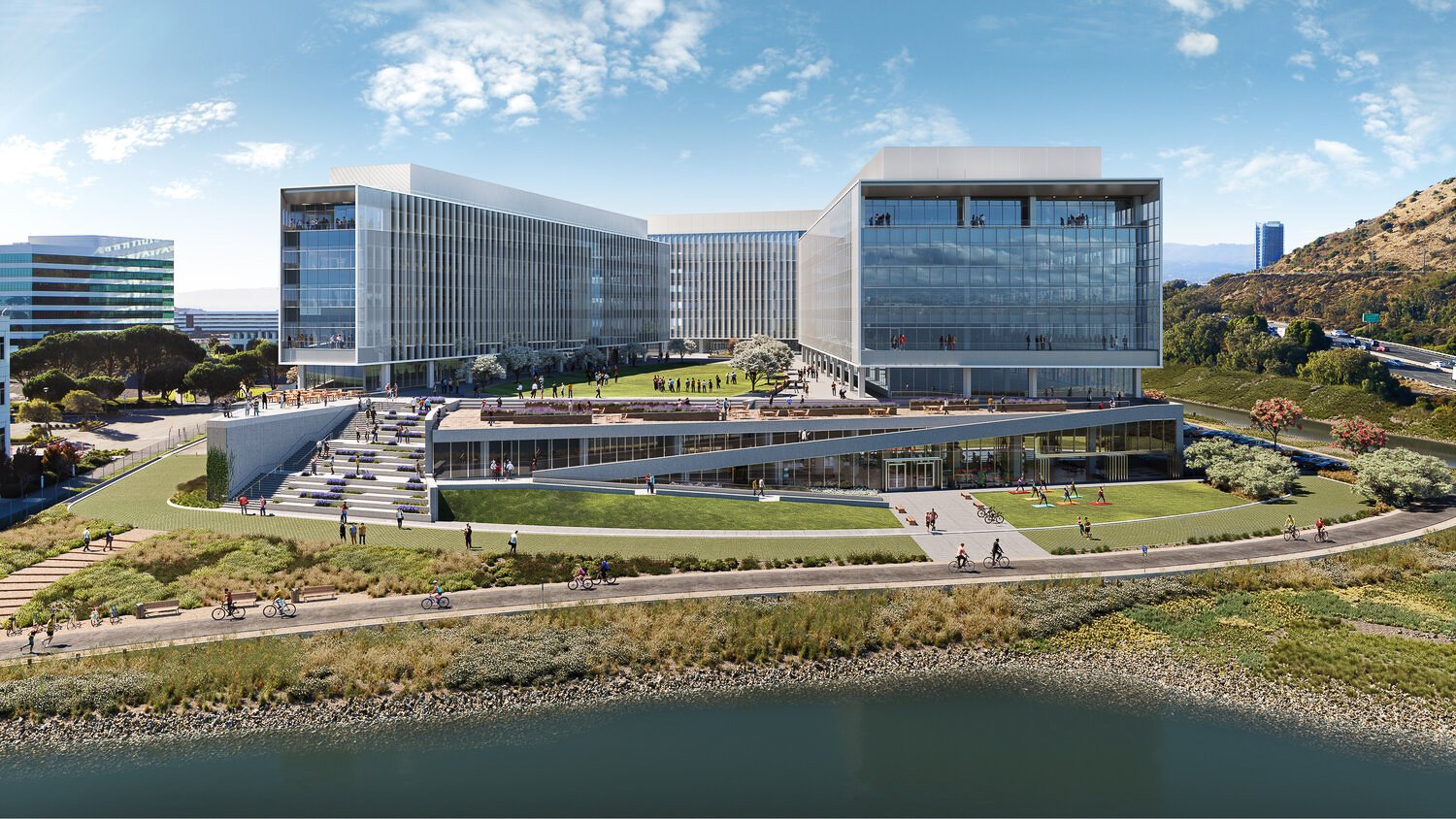
The Genesis Marina biotech campus
Wildfire has forced its own design logic. In Greenfield, California, after the 2021 Dixie Fire destroyed much of the town of Greenville, architect Michelle Laboy developed the Sierra Houses, a series of prefabricated structures built with cross-laminated timber walls and floors. Mass timber, counterintuitively, performs better in fire than light-frame construction. The outer surface chars, slowing the spread and protecting structural integrity. The Sierra Houses follow the Wildland Urban Interface guidelines and were permitted within three months of site clearing.
In Norway, a set of cabins perched at the edge of the Arctic Circle on Manhausen Island was built on stilts positioned according to wave-height projections and anticipated sea-level rise. They are clad in aluminium sheet over a solid wood frame, chosen specifically for its resistance to saltwater exposure.
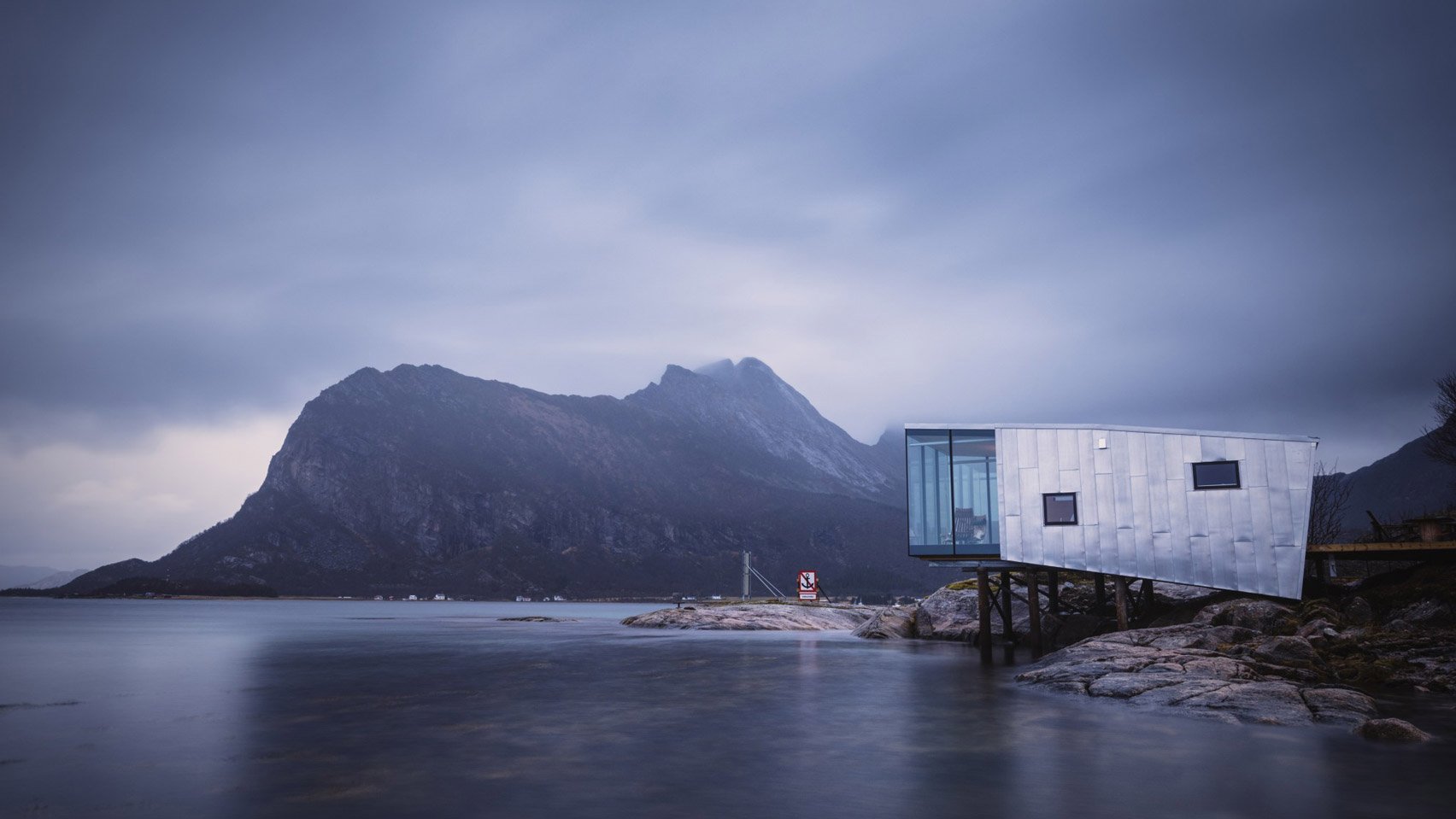
Manhausen Island cabin, Norway
The structural responses are only part of the picture. In Lagos, Nigerian architect Kunlé Adeyemi of NLÉ developed the Makoko Floating System after the original Makoko Floating School, a wooden structure serving a waterfront community, collapsed in wind and rain in 2016. The evolved design is prefabricated and modular, deployable in flood-prone coastal communities across different countries. The system has since been installed in four more nations, including Cape Verde.
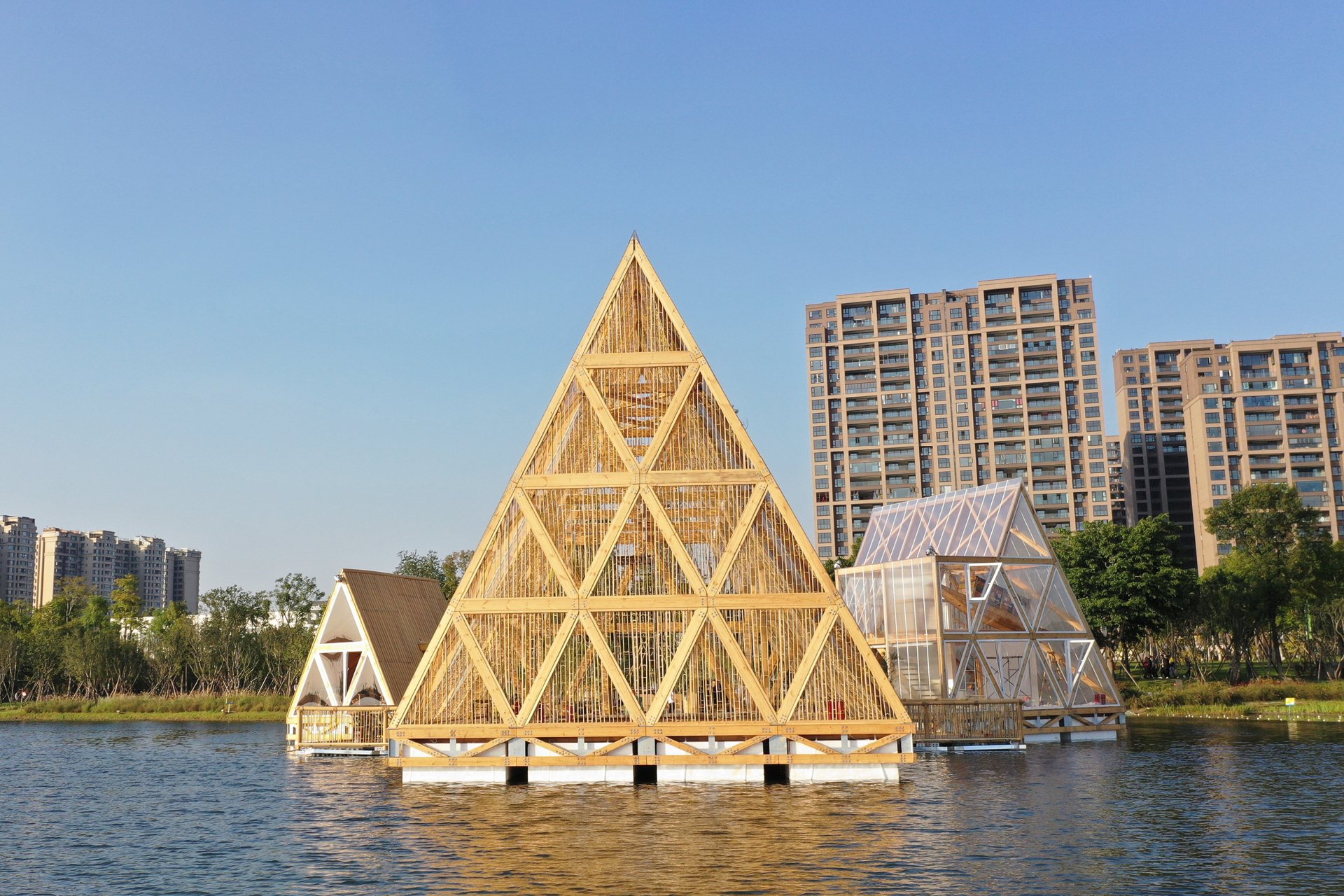
The Makoko Floating System
For architects working in Nairobi and across East Africa, many of these conversations remain at a distance, but the underlying exposures are not. Kenya recorded severe flooding in 2024 that killed hundreds and displaced tens of thousands. The country's informal settlements, which house a significant portion of Nairobi's population, are built without flood assessments, without resilience prerequisites, and without the kind of climate modelling now being embedded in building codes elsewhere. The structures most vulnerable to climate events are almost always the ones built with the least margin.
That is the central contradiction the profession is now confronting. The buildings most in need of climate-resilient design are in the places least likely to require it by law, least able to absorb its cost, and most exposed to the consequences of its absence.
The architecture is catching up. The question is whether it will catch up fast enough, and for whom.
Comments (1)
Leave a Comment
Peter
Apr 22Faith
May 18