
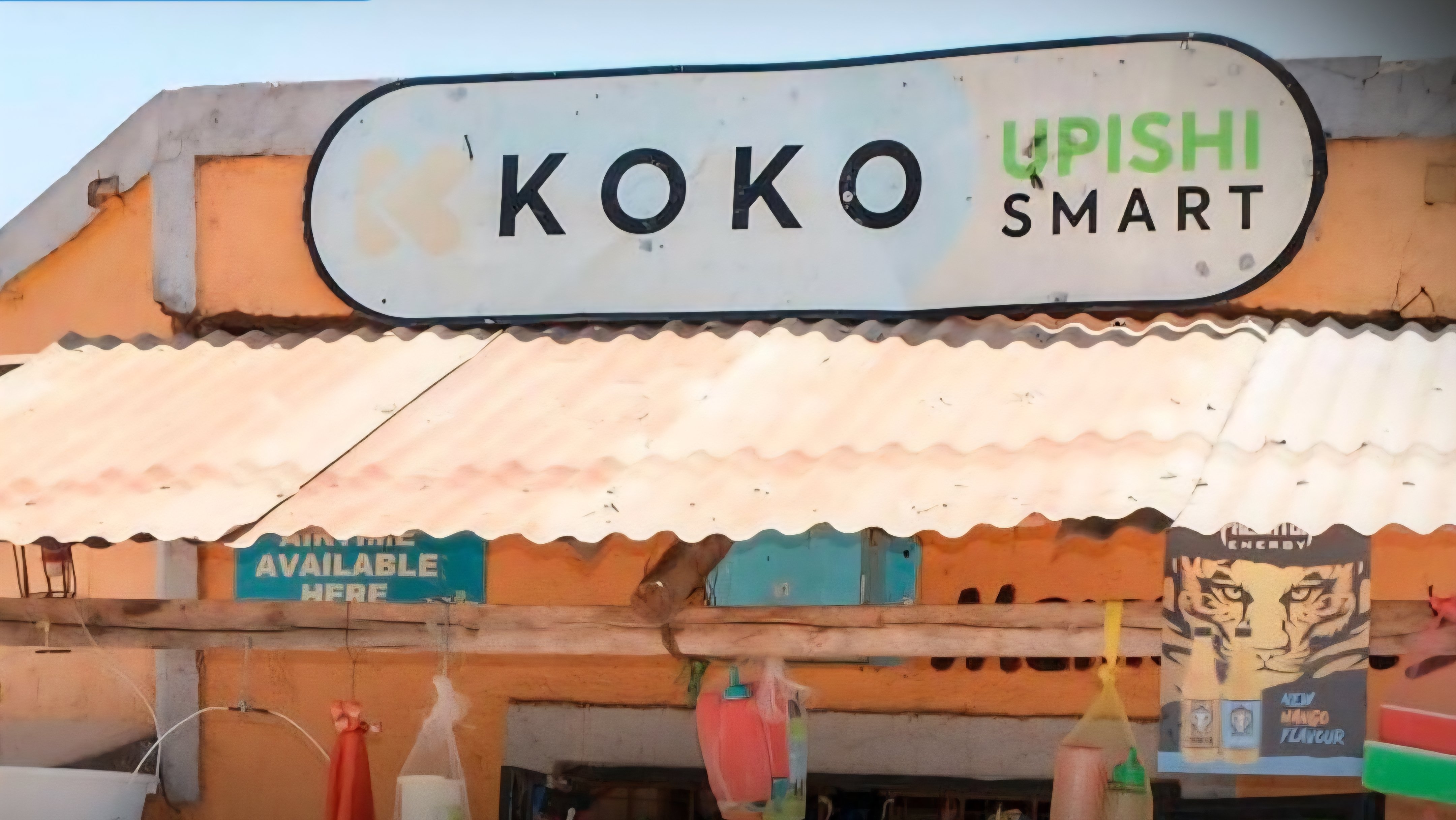

Five Kenyan clean cooking energy firms are seeking a collective $43 million, approximately Sh5.56 billion, from investors to scale their operations. The fundraising drive comes at a sensitive time for the sector, following the recent collapse of Koko Networks, a major peer start-up that previously dominated the local market.
The companies, which include Ignis Innovations and Faith Engineering, are looking to secure capital as Kenya continues to market $15.5 billion in various investment opportunities to global partners. This push for fresh capital suggests a determination among local players to fill the gap left by larger entities that have struggled with the complexities of the current market.
Koko Networks, which once served an estimated 1.5 million households, shut down its Kenyan operations on January 31, 2026. The company subsequently filed for insolvency on February 1, with PricewaterhouseCoopers assuming control of the business under the Insolvency Act. The collapse resulted in the layoff of 700 employees and left a significant portion of the population without their primary source of bioethanol fuel.
The failure of Koko has been largely attributed to the Kenyan government's decision to withhold a Letter of Authorisation. This regulatory approval was essential for the international sale of carbon credits, which formed the financial foundation of Koko’s business model. Without these revenues, the company could no longer subsidize its stoves or fuel prices.
While the exit of such a prominent player has raised questions about the sustainability of carbon-backed business models, other firms are moving forward with different strategies. The current funding sought by the five firms is intended to bolster infrastructure and expand reach across the country, where the demand for affordable, non-charcoal energy remains high.
President Ruto has previously described carbon credits as an unparalleled economic gold mine for the country. However, the recent regulatory hurdles suggest a more cautious approach from the state regarding how these credits are authorized and traded on the global stage.
The ongoing insolvency process for Koko Networks saw creditors directed to submit claims by April 8, with virtual meetings held earlier this month. As the administrators explore the sale of Koko's remaining assets, the five firms currently seeking Sh5.56 billion are aiming to demonstrate to investors that the clean cooking sector remains a viable prospect despite recent volatility.
Investors are now closely examining how these newer ventures plan to balance affordability with financial independence, especially in light of the high stakes involving government policy and international climate finance.
Comments (0)
Leave a Comment
No comments yet. Be the first to share your thoughts!