
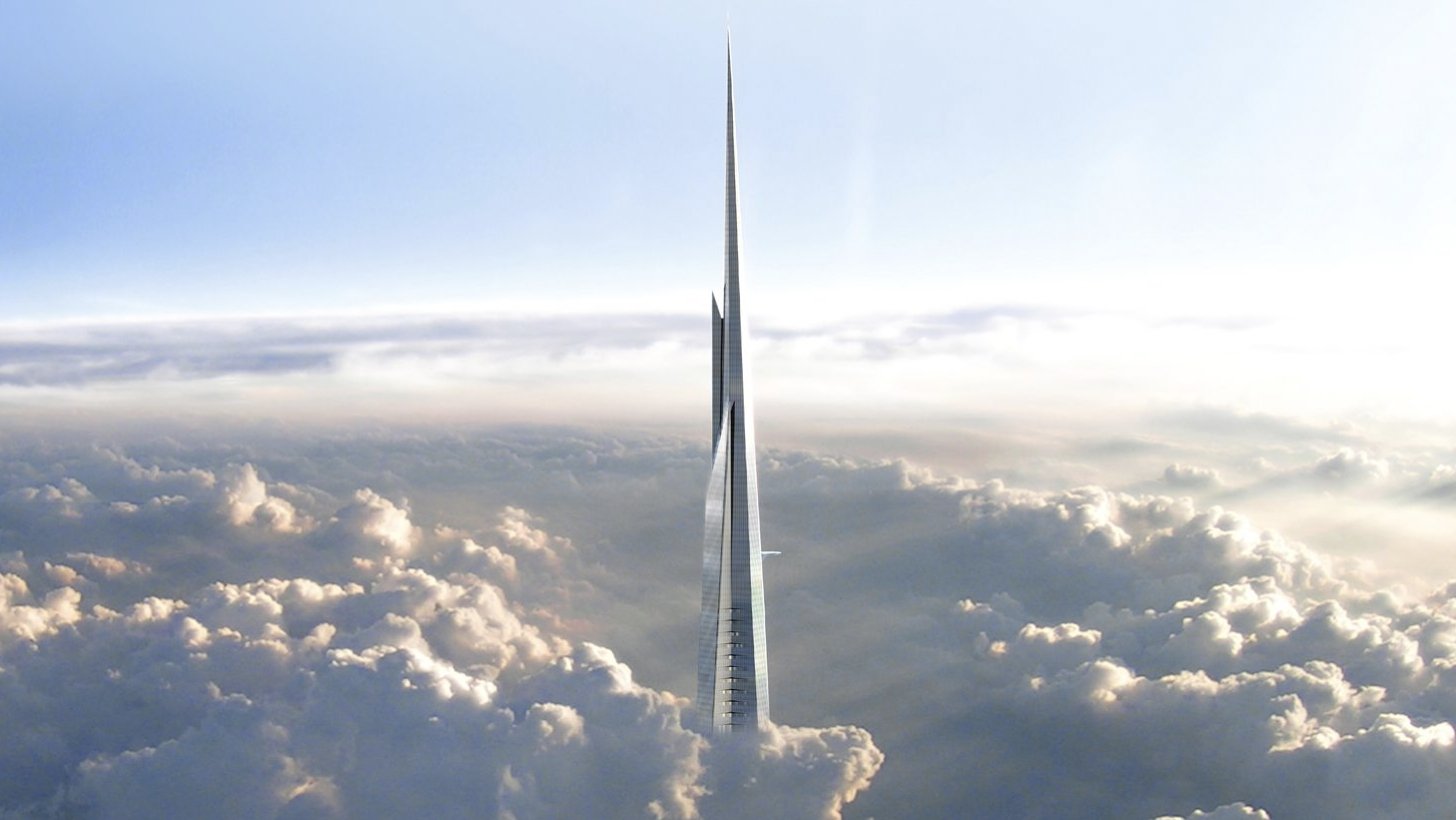

Gordon Gill has spent years designing some of the most ambitious vertical structures on earth. His firm, Adrian Smith + Gordon Gill Architecture (AS+GG), is behind the Jeddah Tower in Saudi Arabia, which upon completion will become the world's tallest building. His message to the industry, however, is not about going higher.
In an interview with Newsweek, Gill argued that the greatest opportunity in architecture today sits not in new construction but in the vast inventory of existing buildings that cities have accumulated over decades. "The greatest opportunity in the U.S. for innovation is in the programming of cities," he said, pointing out that new builds represent a relatively small share of the total built environment.
Nearly half of America's 125 million buildings are more than 50 years old, according to the American Institute of Architects (AIA). That figure underlines the scale of what Gill is describing. Rather than treating those structures as liabilities, he sees them as assets waiting to be reconsidered.
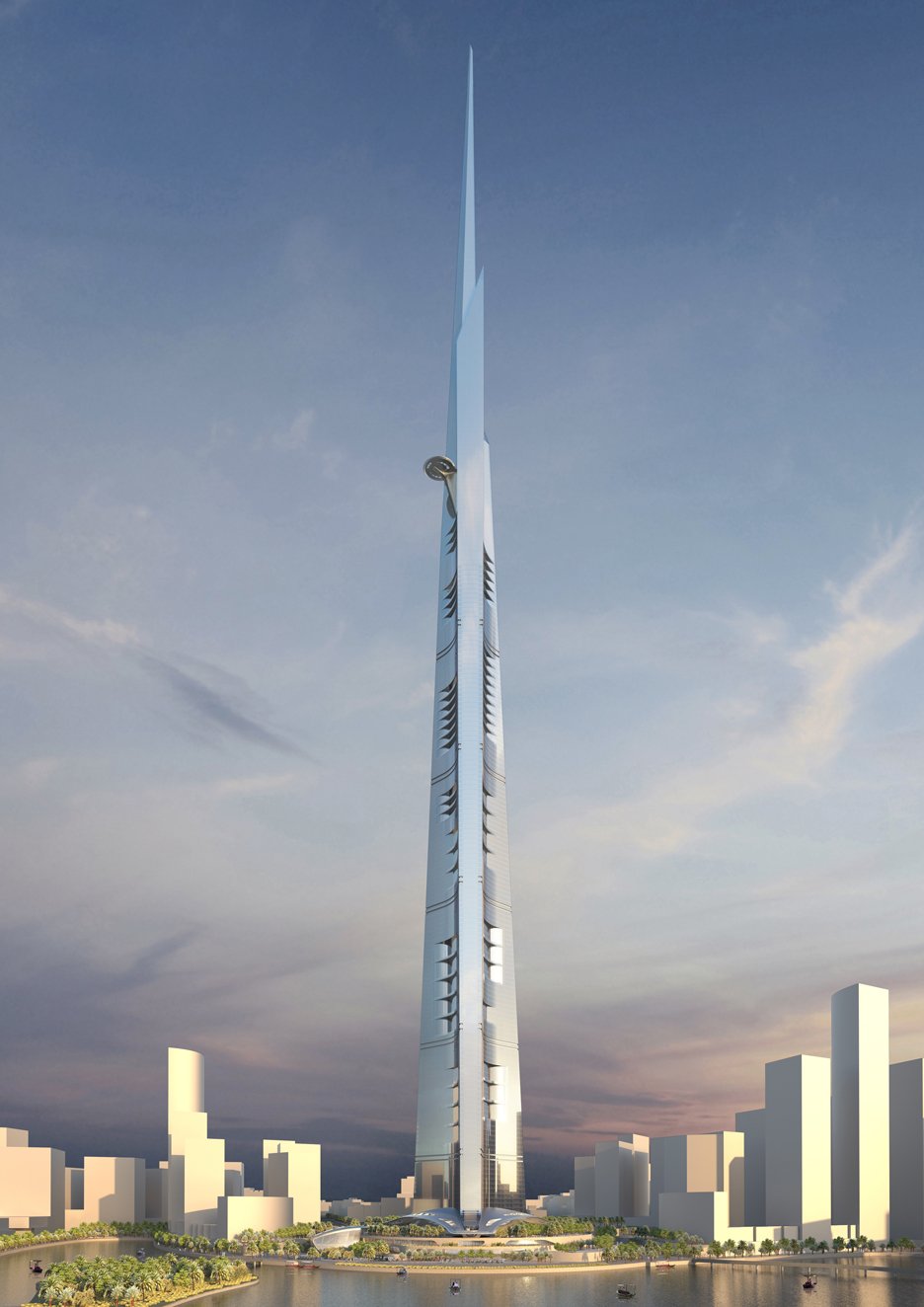
A render of The Jeddah Tower, Saudi Arabia. / Dezeen.
"It's the existing building stock you have to keep your eye on," he said, "refreshing that stock and keeping them relevant, part of the sustainability legacy," adding that maintaining the longevity of that stock is essential to "avoid obsolescence."
The environmental argument supports that position. The AIA has found that reusing existing buildings can avoid between 50 and 75 percent of the carbon emissions associated with new construction, primarily by eliminating the need for new materials and the embodied carbon that comes with producing and transporting them. Demand for adaptive conversions in the US rose sharply in 2024, when nearly 25,000 apartments were created from repurposed buildings, a 50 percent increase on the previous year, according to RentCafe.
Gill pointed to the renovation of Willis Tower in Chicago as a practical example of what is achievable. The tower, which was once the tallest building in the world, underwent a sustainability-focused transformation that reduced energy and water consumption and earned it Leadership in Energy and Environmental Design (LEED) Platinum designation, the highest certification level under the US Green Building Council's programme. "We've proven that we can renovate an existing building and actually help the building next door," Gill said. "This is where I think the opportunity rests, not just to help yourself, but to help everyone."
On the question of what drives him now, Gill was direct. "Sustainability is what matters to me the most, to get to the point where we're contributing with buildings and turn them into assets, versus looking at them as deficits."
He also flagged emerging technologies as a coming influence on urban design, citing drone traffic modelling already underway in parts of the Middle East as an early signal of how air mobility will eventually reshape how cities are planned and how buildings relate to each other vertically and horizontally.
"I think we often seek opportunity when, in fact, it might be present. We just don't recognize it," Gill said.
Comments (0)
Leave a Comment
No comments yet. Be the first to share your thoughts!