

A version of this article appeared on Dezeen, detailing how global football clubs are changing architecture. Modern sports venues are becoming more distinctive as clubs and countries use them to attract attention.
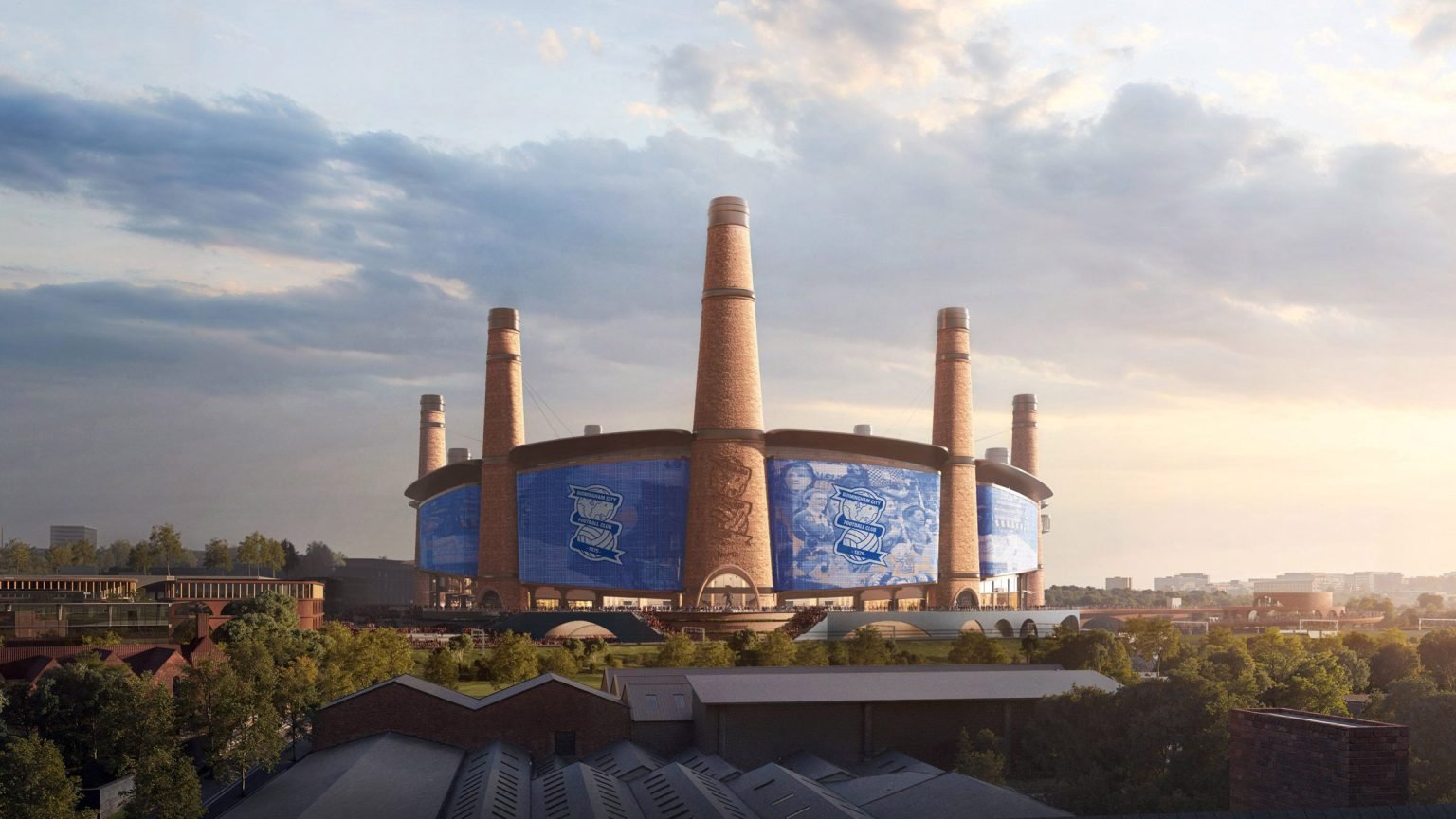
UK-based Heatherwick Studio had never designed a stadium before. Its recent entry in the competition to design Birmingham City's stadium features the venue enclosed in twelve giant chimneys. Populous director Jim Heverin told Dezeen that the design resembled a Victorian factory.
The Heatherwick Studio designed stadium will undoubtedly be distinctive. It represents a growing trend where owners of world-known sports teams demand an aesthetically striking, unique structure. That is why they were put on the shortlist, Heatherwick Studio partner Eliot Postma told Dezeen.
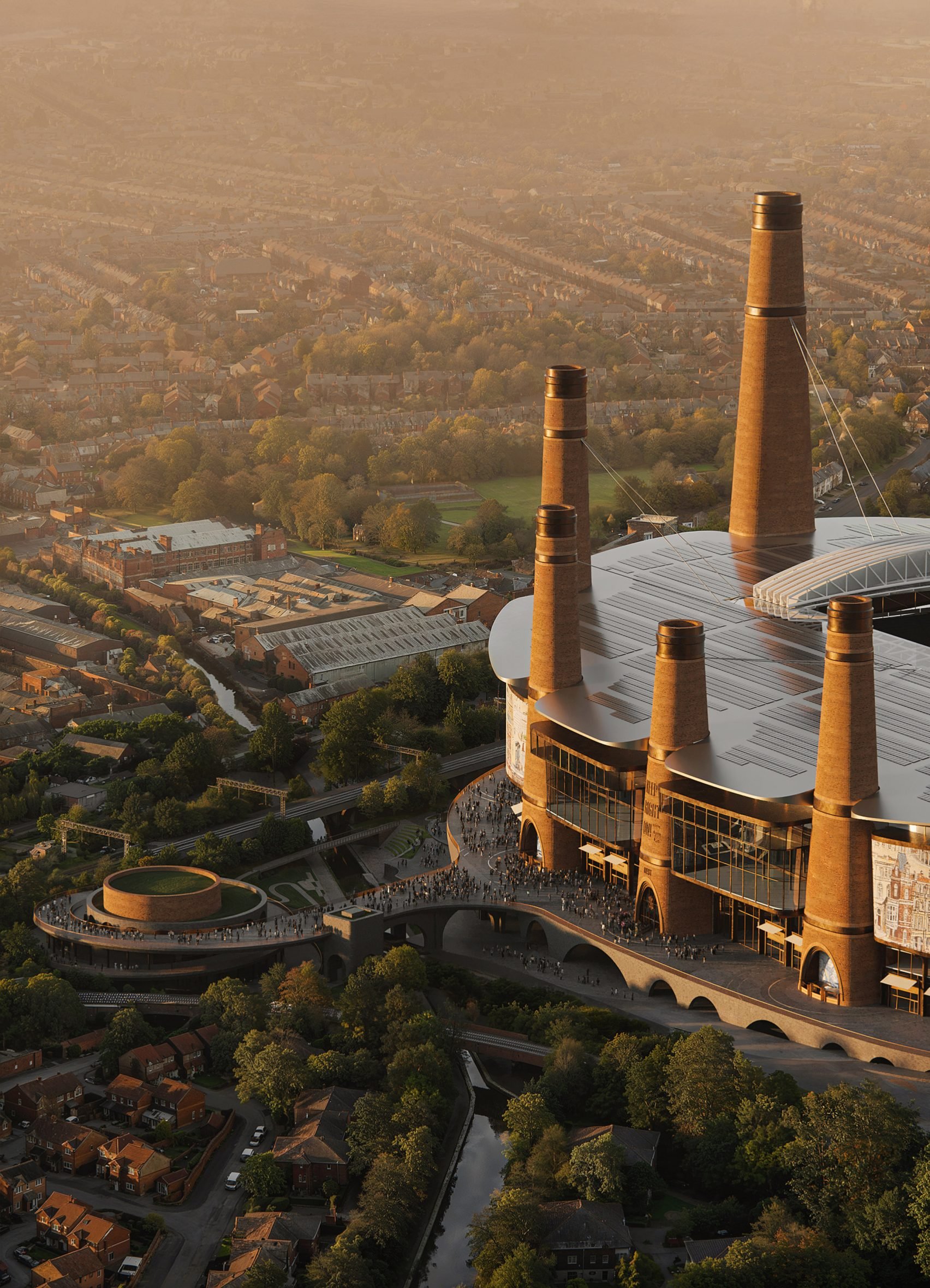
Birmingham City's stadium will be surrounded by 12 monumental chimneys. PHOTO: Dezeen.com
Increasingly, major sports clubs are huge global brands. Selling this brand, along with the commercial capabilities that go with it, is a major part of a club's focus. DMP Architects director Martin Glass told Dezeen that clubs nowadays see themselves more as a brand than a sports entity.
Real Madrid wanted to have a statement. According to Glass, who recently led the one billion euro overhaul of Real Madrid's Estadio Santiago Bernabéu, this change in thinking is having a marked impact on stadium design. While fan experience is still a priority, the need to create an iconic, eye-catching structure is a key part of their brief.
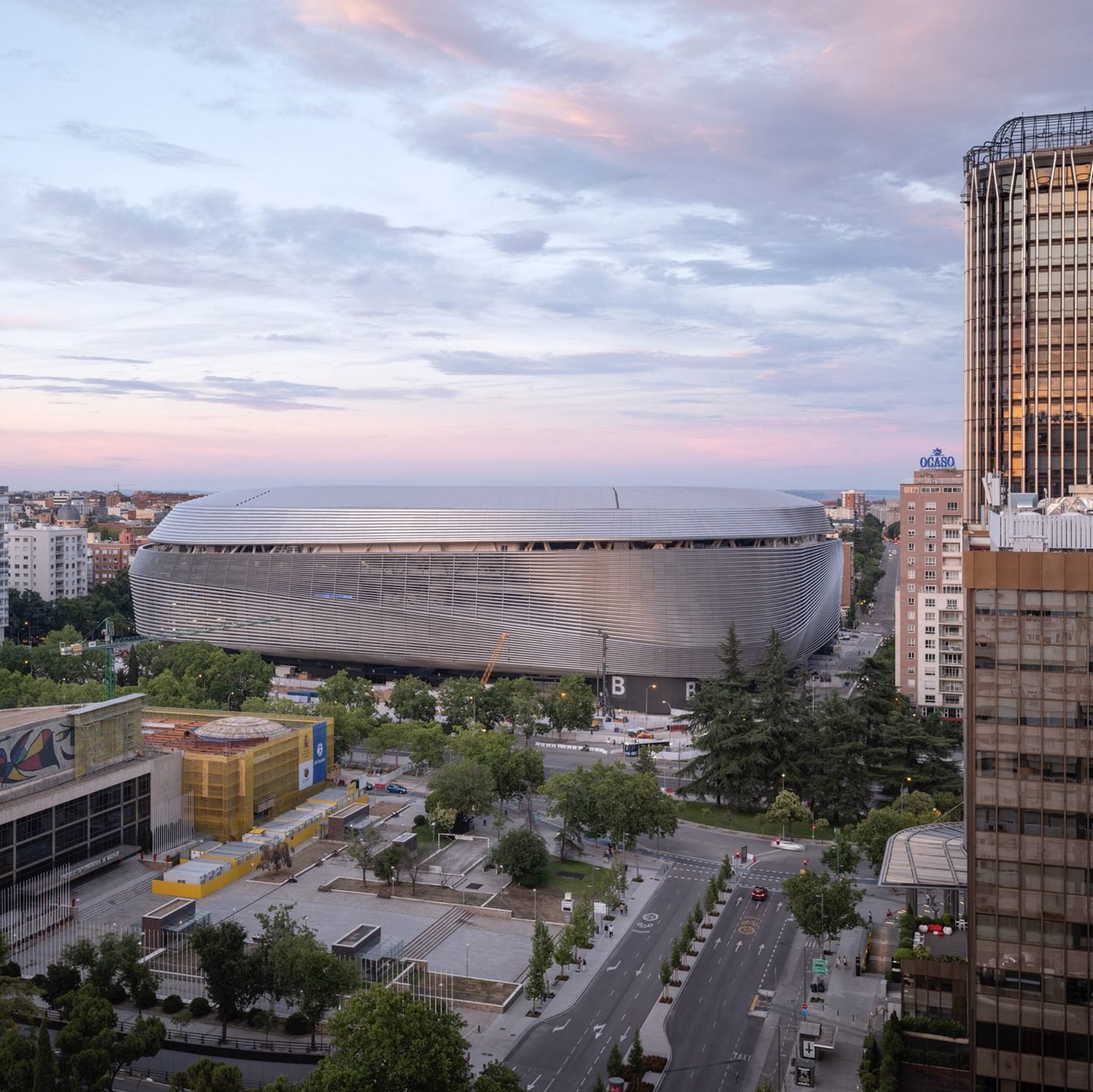
The Real Madrid wanted a stadium. PHOTO:Dezeen.com
For them, it was absolutely clear that they wanted to have a statement that visually reflects their own visions. UK studio Foster + Partners is currently designing stadiums for three of the world's biggest football clubs. This includes a one hundred thousand seat venue for Manchester United and a joint stadium for AC Milan and Inter Milan to replace the iconic San Siro.
The club's aspiration is to have an iconic, never-seen-before, timeless, you know, classic, Foster + Partners senior partner Angus Campbell told Dezeen. There's a lot of me-too that mirrors the sixties, seventies, eighties stadium. Architects argue that contemporary owners want a definitive break from the past, prioritizing distinct identity over standardized engineering templates.
Comments (0)
Leave a Comment
No comments yet. Be the first to share your thoughts!